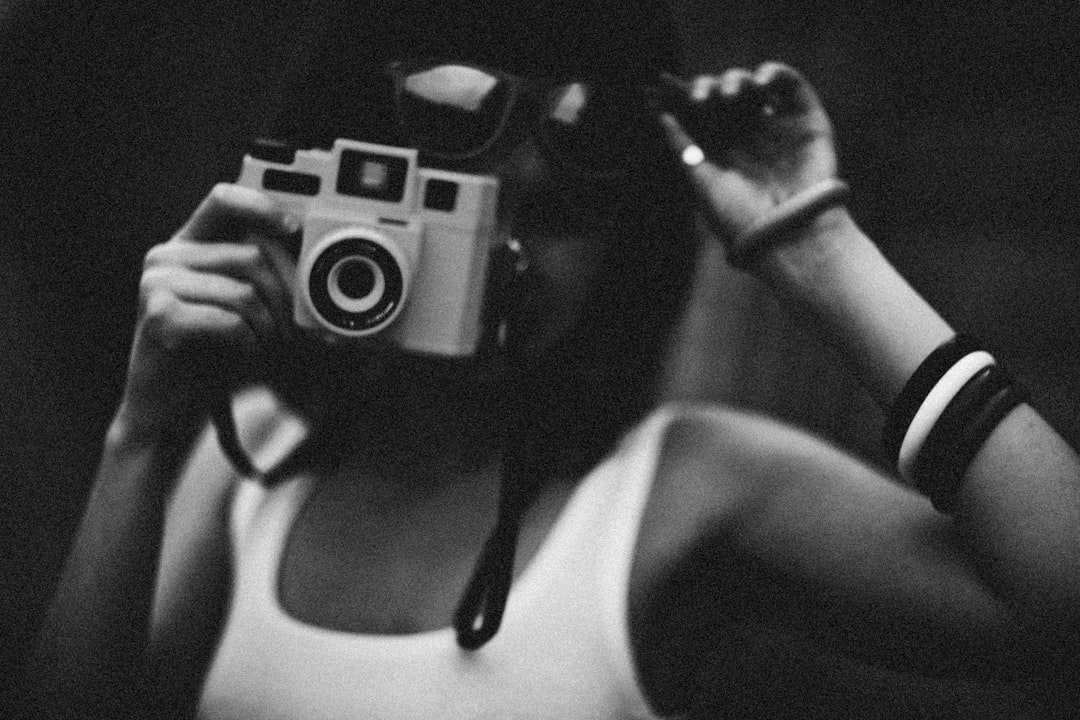
Beyond Specifications: The Year Photography Became Personal Again
The contemporary camera market has reached a fascinating inflection point. Walk into any retailer or browse manufacturer catalogs, and you’ll encounter an embarrassment of riches—imaging devices equipped with sophisticated autofocus systems, comprehensive feature arrays, and computational photography capabilities that would have seemed impossible just years ago. The technical baseline has risen so dramatically that nearly every new release from Canon, Nikon, Sony, and their competitors can deliver professional-grade image quality with reliable performance.
Yet this saturation of technical excellence has sparked an unexpected shift in how manufacturers approach product development. When every camera can produce sharp, properly exposed photographs with intelligent subject tracking and dynamic range recovery, the real competition moves into territories that specifications sheets struggle to quantify. Throughout 2025, we witnessed a meaningful pivot toward what might be called the tactile and psychological dimensions of photography—the actual sensation of raising a camera to your eye, the tactile feedback of mechanical controls, and the philosophical relationship between photographer and machine.
The Intangible Edge: Experience as Differentiator
The industry’s leading players have increasingly recognized that contemporary photographers seek more than resolution numbers and burst rates. Instead, they crave a connection to their craft—a sense that the equipment enhances rather than complicates the creative process. This year’s releases reflected this understanding in tangible ways.
Several manufacturers introduced redesigned interfaces that prioritized intuitive operation over feature density. Others revisited analog-inspired design languages, incorporating mechanical dials and optical viewfinders that celebrate the fundamental act of looking through a lens. Some companies invested in materials and build quality that communicate durability and intentionality. These choices don’t necessarily appear in marketing specifications, yet they fundamentally reshape how photographers interact with their equipment daily.
Celebrating the Craft Itself
What distinguishes 2025’s approach is its philosophical dimension. Rather than chasing megapixel counts or autofocus point proliferation, manufacturers acknowledged that photography is fundamentally about intention and presence. When you’re using a camera that respects your vision and responds to your input without unnecessary barriers, the entire experience transforms.
This manifests in various ways across different platforms. Some systems streamlined menu structures to reduce cognitive load. Others implemented customizable button layouts that accommodate individual workflows. Premium models featured enhanced optical designs that delivered distinctive character to captured images, encouraging photographers to explore their equipment’s personality rather than simply achieving clinical perfection.
Looking Forward
The shift toward experiential design represents maturation in the photographic equipment industry. As technical capabilities plateau at extraordinarily high levels, manufacturers must differentiate through thoughtful ergonomics, philosophical alignment with creative values, and respect for the photographer’s relationship with their tools. 2025 demonstrated that this approach resonates—photographers increasingly value equipment that feels purposeful, operates intuitively, and celebrates the meditative aspects of image-making.
This trajectory suggests that future development will continue prioritizing how cameras make us feel about photography itself, not merely what technical achievements they enable. In a world of capable devices, the cameras that stand apart are those that understand and honor the human experience of capturing moments.