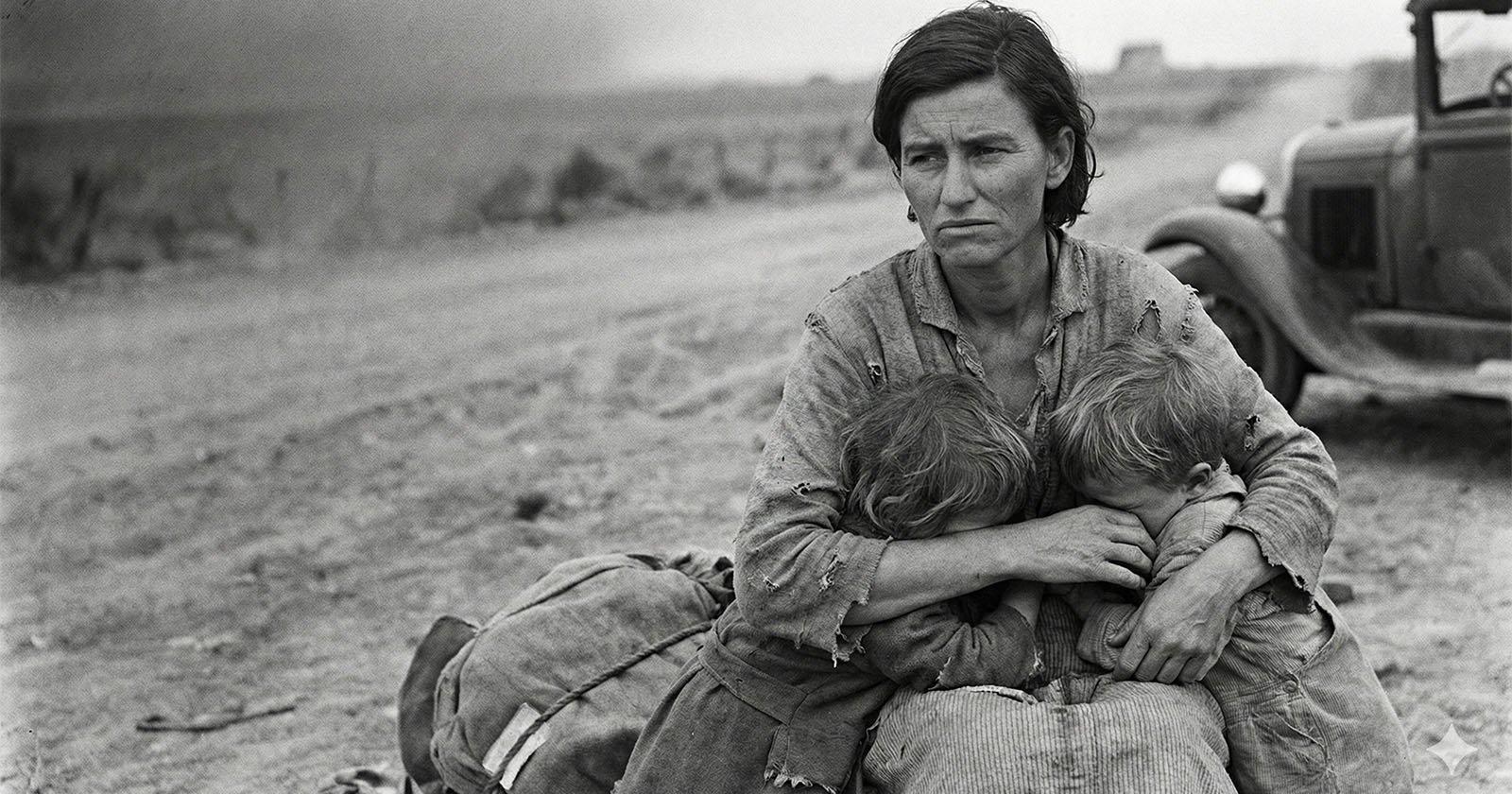
The Blurring Lines Between Reality and Artificial Creation
In a groundbreaking development that’s sending ripples through the photography and digital imaging landscape, Google has unveiled an enhanced version of its Nano Banana AI image generation model, pushing the boundaries of computational visual technology.
The latest iteration represents a significant leap forward in artificial intelligence’s capacity to generate photorealistic imagery, raising critical questions about visual verification and digital trust. Professional photographers and visual content creators are now confronting an unprecedented challenge: distinguishing between human-captured photographs and AI-generated compositions.
Technical Implications
This advanced model demonstrates remarkable sophistication in reproducing intricate visual details, textures, and contextual nuances that previously remained challenging for AI systems. The incremental improvements suggest we’re rapidly approaching a technological threshold where machine-generated imagery becomes virtually indistinguishable from human-captured photographs.
For industries relying on visual authenticity—from journalism to fine art photography—this technological progression demands urgent reconsideration of verification protocols and authentication methodologies.