In a remarkable testament to technological advancement, wildlife photographer Alan McFadyen has dramatically shortened his iconic kingfisher capture process from a painstaking six-year endeavor to an astonishing six-minute achievement.
A Journey of Photographic Persistence
McFadyen’s original quest, which began in 2015, involved an extraordinary commitment to capturing the perfect split-second moment of a kingfisher diving. His initial project required an incredible 720,000 photographic attempts, representing an unprecedented level of dedication to wildlife photography.
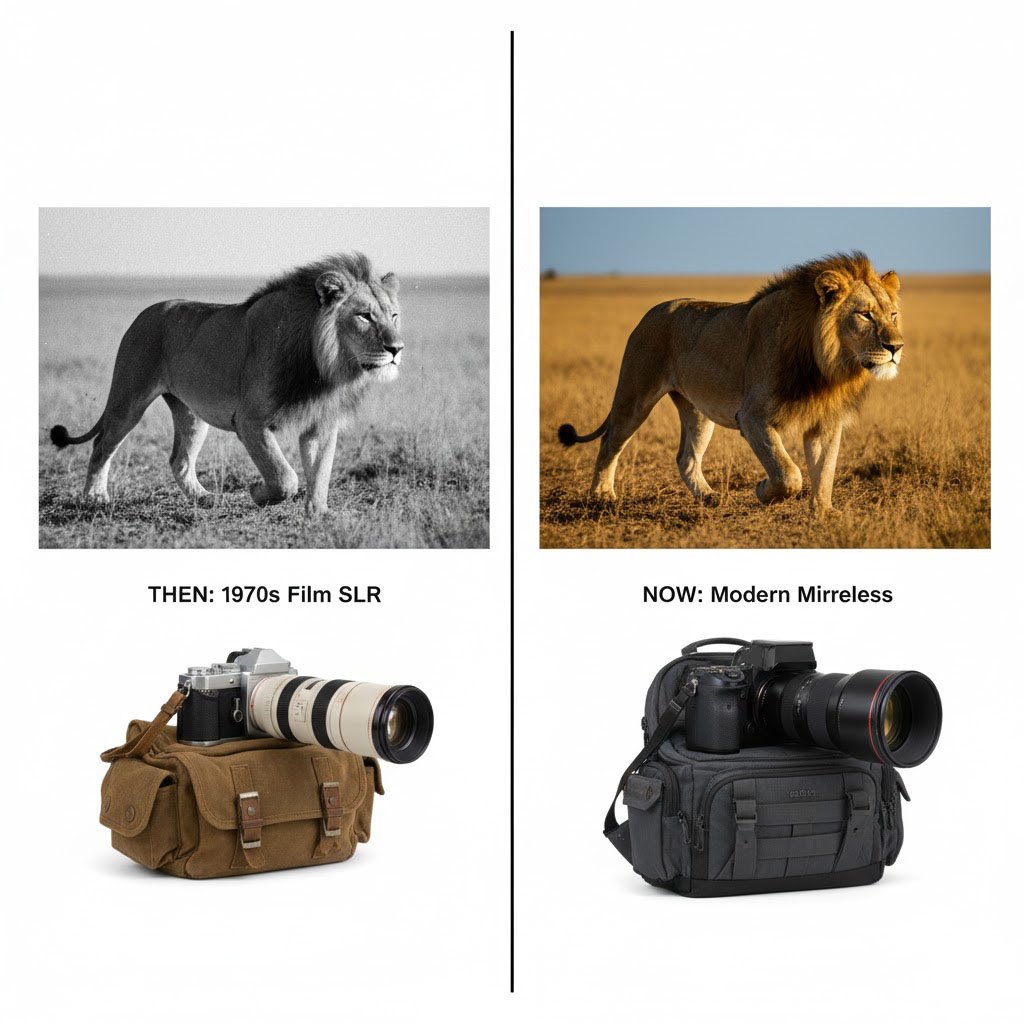
What distinguishes this story is not just the remarkable photograph, but the dramatic transformation enabled by cutting-edge camera technology. Where previously such a shot demanded years of patient field work and manual precision, modern imaging systems now allow photographers to capture extraordinarily complex wildlife moments with unprecedented efficiency.
Technological Game-Changers
The Scottish photographer’s recent six-minute recreation highlights several key technological innovations in contemporary wildlife photography, including:
- Advanced autofocus tracking systems
- High-speed continuous shooting capabilities
- Improved sensor sensitivity and low-light performance
- Enhanced computational photography algorithms
McFadyen’s achievement serves as a powerful narrative about how rapidly digital imaging technology continues to revolutionize professional photography, reducing technical barriers and expanding creative possibilities.