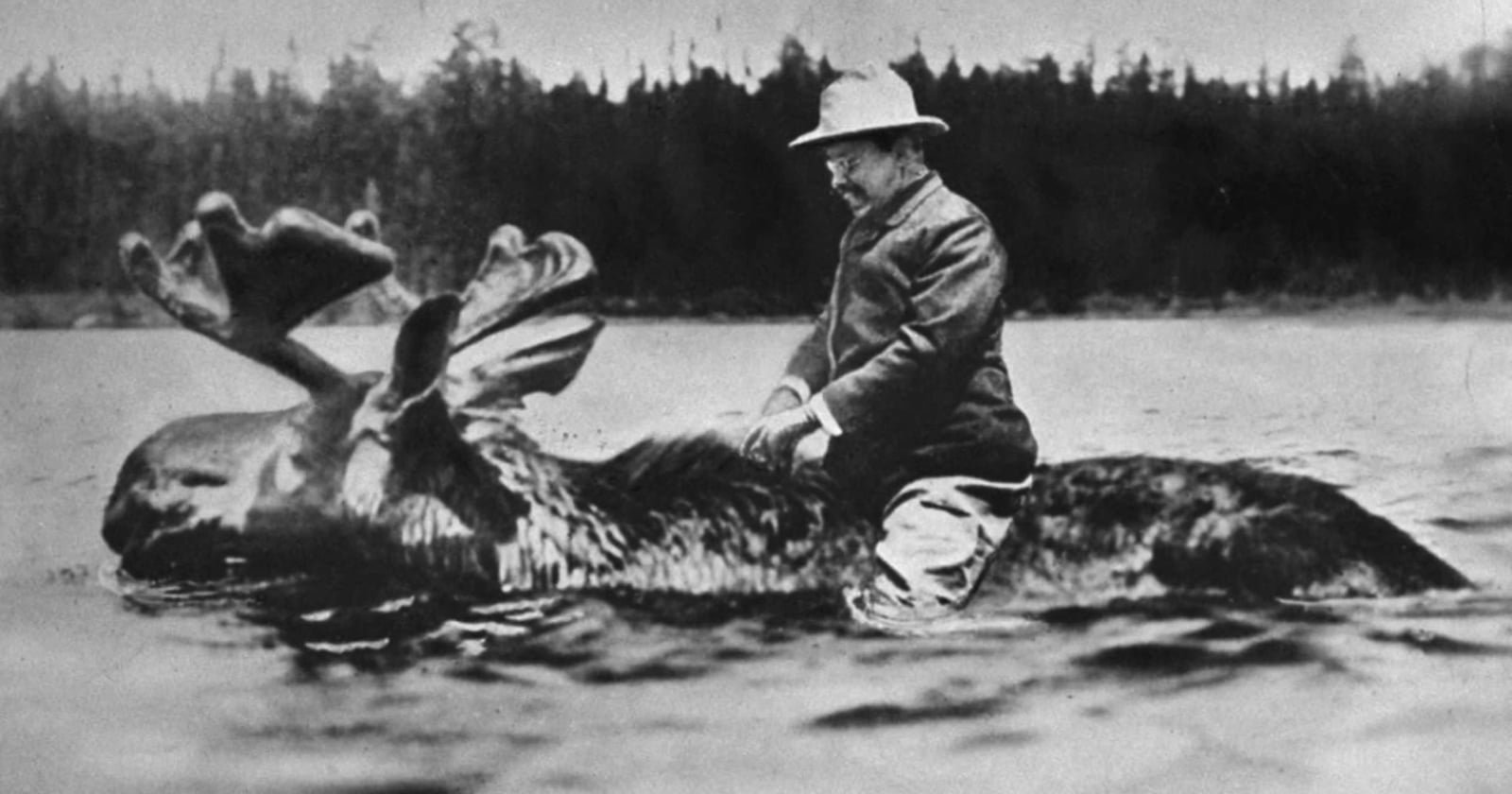
Long before digital editing tools transformed visual storytelling, photographers and lawmakers grappled with the ethical complexities of image manipulation. In a fascinating historical twist, the United States nearly implemented a nationwide prohibition on doctored photographs over a century ago.
A Presidential Controversy
The year was 1910, and the emerging technology of photography was rapidly changing public perception of visual documentation. A significant scandal erupted when manipulated presidential images sparked national debate about the authenticity of photographic evidence.
At the time, photographers were experimenting with techniques like retouching, double exposure, and strategic cropping—methods that challenged the fundamental presumption of photographic truth. The public’s trust in visual media hung precariously in the balance, with legislators considering extreme measures to preserve photographic integrity.
Legislative Response
The proposed national ban represented an unprecedented governmental intervention in photographic practice. Lawmakers argued that manipulated images could dangerously distort public understanding of political figures and historical events.
While the proposed legislation ultimately did not pass, the controversy highlighted emerging ethical questions that would continue to challenge visual communicators for generations. Today’s debates around AI-generated imagery and digital manipulation echo these early 20th-century concerns about visual authenticity.
Conclusion
The 1910 photographic manipulation controversy serves as a crucial reminder that technological challenges to visual truth are not new—they are part of an ongoing dialogue about representation, technology, and trust.