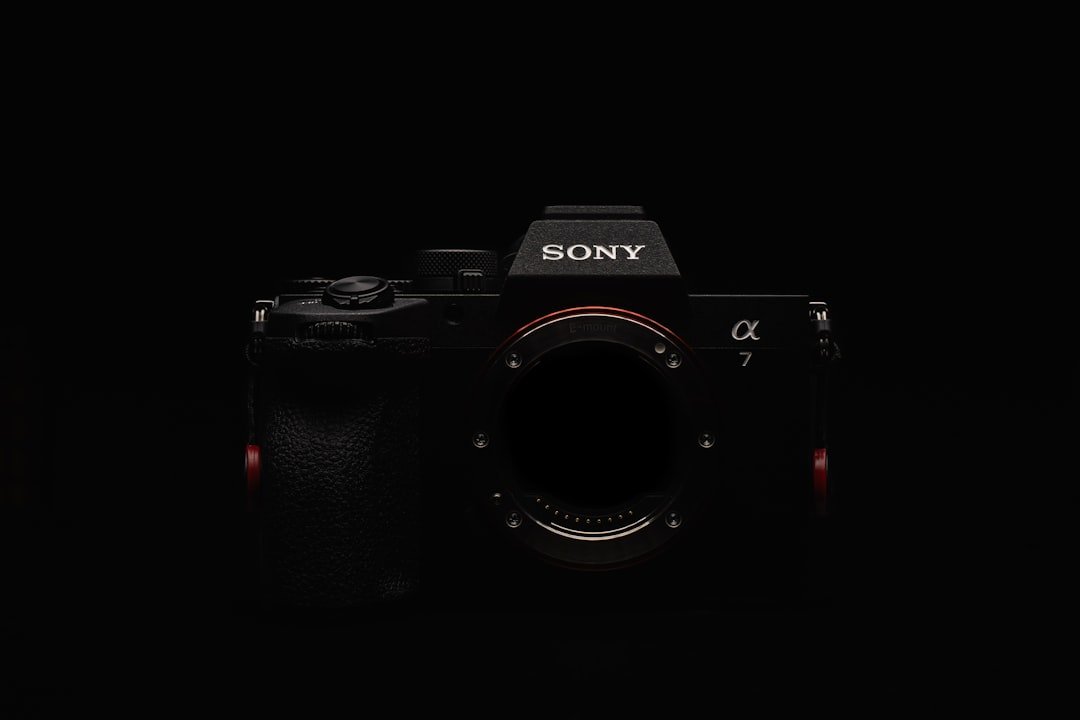
Sony’s Position in the Mirrorless Market Faces New Pressures
For years, Sony has maintained its commanding presence in the full-frame mirrorless camera segment, establishing itself as the industry benchmark for technological innovation and performance. However, the competitive landscape has undergone substantial transformation recently, with rival manufacturers narrowing the performance differential that once separated Sony from its peers.
As 2025 unfolds, the question resonates throughout the photography community: has Sony delivered sufficient advancements to preserve its market leadership amid intensifying competition?
The Competitive Landscape Shifts
Canon, Nikon, and other manufacturers have invested heavily in mirrorless platform development, releasing systems that challenge Sony’s traditional advantages in autofocus performance, sensor technology, and overall system maturity. These competitors have successfully closed the technology gap through aggressive research and development initiatives, forcing Sony to defend its market position through continuous innovation rather than relying on historical advantages.
The dynamics have shifted considerably from Sony’s earlier dominance, when the company enjoyed a clear technological lead in areas including computational photography, sensor design, and real-time tracking capabilities. Today’s market demands that each manufacturer provide compelling reasons for photographers to choose their ecosystem over increasingly capable alternatives.
Sony’s 2025 Strategy and Engineering Achievements
Rather than resting on established reputation, Sony has demonstrated renewed commitment to engineering excellence throughout the current year. The company’s development efforts reflect an understanding that market leadership requires constant evolution and responsiveness to professional and enthusiast photographer demands.
Sony’s approach encompasses improvements across multiple dimensions: enhanced autofocus algorithms, refined ergonomic considerations, expanded lens ecosystem availability, and software optimizations that maximize the potential of existing hardware platforms. These incremental refinements, while sometimes less headline-grabbing than revolutionary features, represent the practical focus required to maintain competitive relevance.
Evaluating Market Adequacy
Whether Sony’s 2025 initiatives constitute sufficient competitive response depends largely on perspective. For existing Sony ecosystem participants, marginal improvements and expanded accessory compatibility enhance overall value. However, photographers evaluating system options now face genuinely competitive alternatives that offer comparable performance at similar price points, complete with compelling ecosystem incentives.
The photography equipment industry has matured significantly, meaning that performance differentiation increasingly narrows. Sony’s challenge involves offering advantages that extend beyond pure technical specifications—including user experience refinements, service infrastructure, and strategic vision for future development directions.
Looking Forward
Sony’s 2025 performance demonstrates the company’s capacity for sustained innovation within an increasingly crowded marketplace. Whether this represents adequate market positioning depends on whether competitors continue advancing at comparable rates or if Sony achieves breakthrough innovations that reestablish decisive technological advantages.
The full-frame mirrorless sector has evolved from Sony’s proprietary advantage into a genuinely competitive arena where engineering excellence represents the baseline requirement rather than a differentiation point. For photographers, this shift represents a positive development, regardless of manufacturer preference—competition accelerates innovation benefiting the entire creative community.