A Breathtaking Glimpse of Human Spaceflight Through Professional Lens Craft
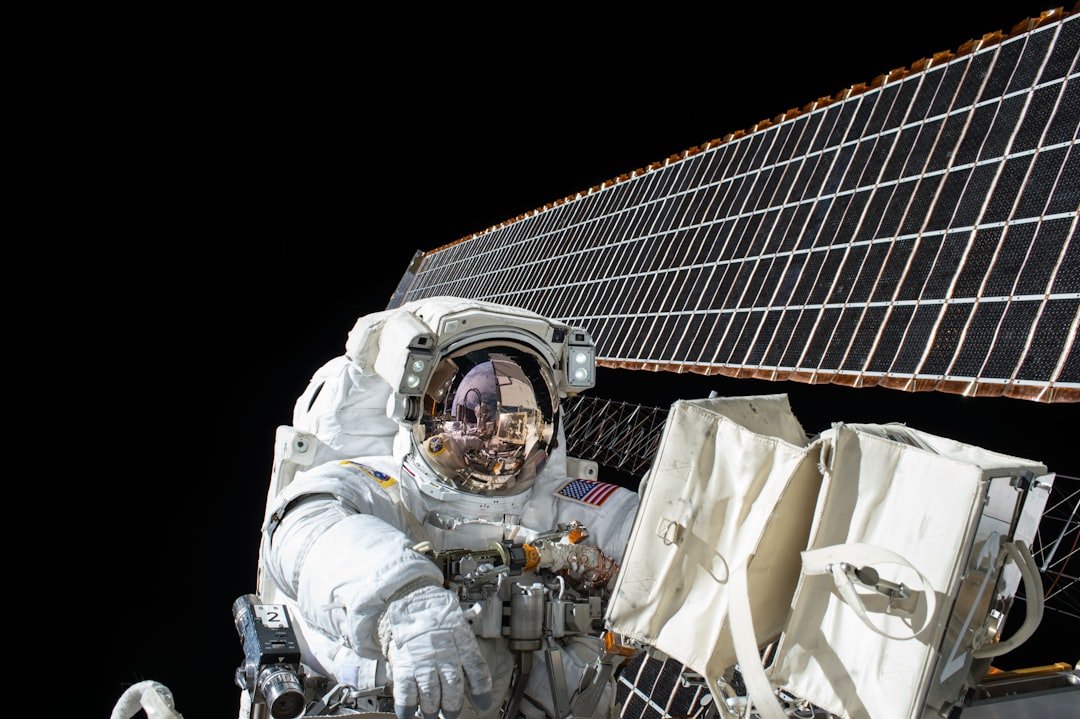
Renowned space explorer and accomplished visual documentarian Don Pettit has resumed his tradition of sharing exceptional imagery from low Earth orbit following his return in April from his fifth spaceflight mission. Among his latest contributions is a captivating compositional study featuring fellow crew member Sunita “Suni” Williams engaged in extravehicular activity—her ninth venture beyond the protective confines of the spacecraft.
The photograph exemplifies the intersection of technical precision and artistic vision that defines contemporary space-based imagery. With the International Space Station’s extensive photovoltaic arrays prominently positioned throughout the frame’s background, the image communicates profound perspective regarding humanity’s orbital infrastructure and the hazardous work required to maintain it.
Technical Excellence in Extreme Environments
Capturing compelling imagery from the orbital environment presents unprecedented challenges for documentation professionals. Operating within the constraints of pressurized extravehicular mobility units, extreme thermal conditions, and the unforgiving vacuum of space demands equipment specifically engineered for reliability under extraordinary circumstances. Pettit’s portfolio demonstrates mastery of these technical limitations while maintaining compositional integrity and visual storytelling.
The inclusion of the ISS’s solar array infrastructure serves a dual narrative purpose. From a technical standpoint, it establishes geographical context and reinforces the viewer’s comprehension of scale within the cosmos. Photographically, it provides essential framing elements that anchor the subject within her operational environment rather than presenting an isolated portrait against the void.
The Legacy of Space Documentation
Williams’s ninth extravehicular mission represents a remarkable achievement in her distinguished career, while Pettit’s documentation of these moments contributes substantially to humanity’s visual archive of space exploration. The convergence of accomplished astronauts, refined photographic technique, and advanced equipment represents the culmination of decades of technological advancement.
Professional photographers and visual historians recognize the significance of such imagery extending beyond simple documentation. These photographs function as historical records, scientific resources, and instruments of public inspiration. They bridge the comprehension gap between specialized space operations and broader audiences, making complex orbital activities intellectually and emotionally accessible.
Sharing Knowledge from the Final Frontier
Pettit’s consistent distribution of his orbital imagery demonstrates evolving approaches to science communication and institutional outreach. By leveraging digital platforms and contemporary media distribution channels, space agencies amplify engagement with their operations and cultivate ongoing public interest in exploration endeavors.
The collaborative nature of spacewalk operations—requiring multiple specialists working in concert toward common objectives—mirrors the compositional choices visible throughout Pettit’s portfolio. Each photograph simultaneously celebrates individual achievement while emphasizing interdependent teamwork that characterizes modern space exploration.
As documented space activities continue expanding in scope and frequency, visual professionals like Pettit assume increasingly important roles as interpreters of orbital operations for terrestrial audiences. His contributions exemplify how technical expertise, artistic sensibility, and scientific knowledge converge to produce imagery that informs, inspires, and endures.