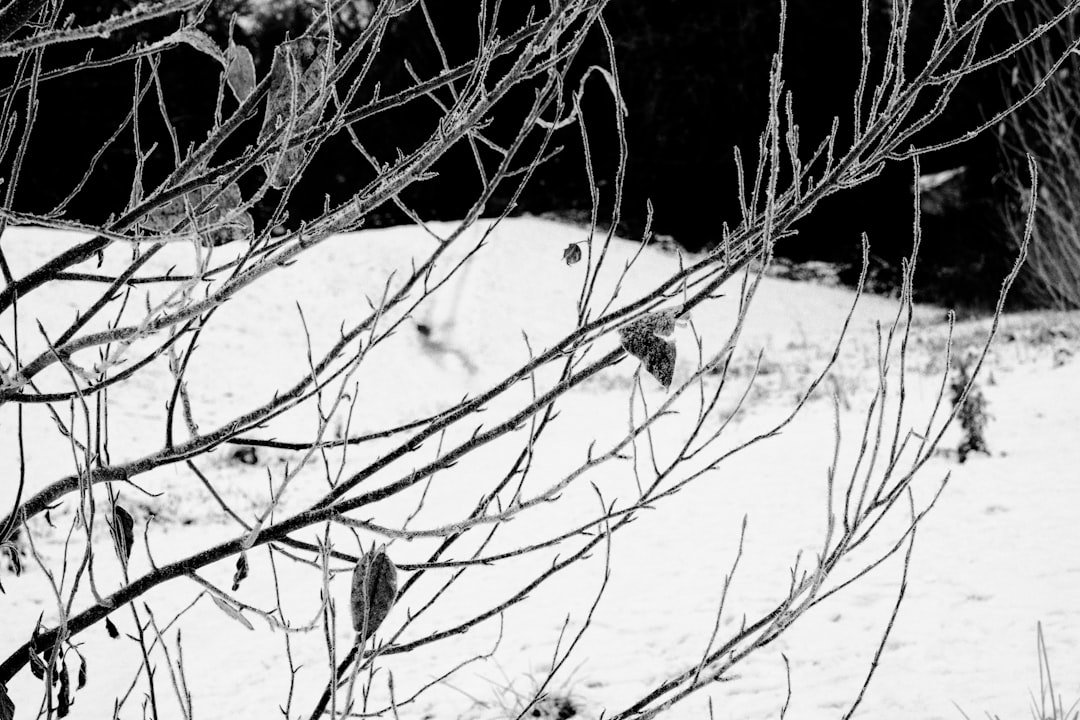
Navigating the Challenges of Cold-Weather Animal Photography
Winter presents a unique set of opportunities and obstacles for wildlife photographers seeking to document animal behavior in their most dramatic seasonal context. The interplay of snow, ice, and subdued natural light creates compelling visual narratives, but demands specialized knowledge and preparation to execute successfully.
Essential Camera Configuration for Frozen Environments
Achieving optimal image quality during winter wildlife sessions requires thoughtful adjustment of fundamental exposure parameters. Photographers must account for the reflective properties of snow, which can fool in-camera metering systems into underexposure. Shooting in manual or aperture-priority modes provides greater creative control, while deliberately overexposing by one to two stops often yields more accurate tonal representation of white-dominated scenes.
Shutter speed selection becomes critically important when documenting active animals against bright backgrounds. A minimum threshold of 1/1000th of a second prevents motion blur in most wildlife contexts, though faster speeds of 1/2000th or beyond prove necessary for species exhibiting rapid movement. ISO sensitivity may require elevation beyond typical comfort levels, necessitating investment in modern camera bodies with superior high-ISO performance characteristics.
Equipment Selection and Environmental Protection
Lens considerations shift significantly in winter conditions. Telephoto optics ranging from 200mm to 600mm focal lengths enable safe distance capture while compressing atmospheric perspective—a particularly valuable attribute when snow-laden backgrounds enhance compositional depth. Macro and prime lenses also serve specialized roles in documenting frost details and behavioral specifics.
Protecting gear from moisture and temperature extremes demands practical strategies. Battery performance degrades substantially in sub-zero conditions, so maintaining spare batteries in interior clothing layers preserves operational capacity. Regular lens cleaning becomes essential, as condensation accumulation and snow residue compromise optical clarity. Professional-grade weathersealing on camera bodies and lenses represents a worthwhile investment for serious practitioners.
Compositional Strategies in Winter Contexts
Monochromatic winter landscapes present distinct compositional challenges. Rather than fighting inherent color limitations, accomplished photographers leverage white and gray tonalities to create high-contrast imagery. Positioning subjects against darker background elements—evergreen forests, water features, or shadowed terrain—establishes visual separation and enhances subject prominence.
Environmental context distinguishes compelling wildlife imagery from simple animal documentation. Capturing creatures engaged in winter-specific behaviors—foraging under snow, seeking shelter, or displaying thermoregulatory adaptations—produces narratively richer work than isolated subject portraiture.
Field Methodology and Habitat Understanding
Successful winter wildlife photographers combine technical proficiency with ecological knowledge. Understanding species-specific winter distribution patterns, migration timing, and activity cycles significantly increases productive field time. Early morning and late afternoon sessions capitalize on lower solar angles, generating superior directional illumination compared to midday conditions.
Patience and ethical considerations must guide all fieldwork. Observing appropriate approach distances protects both photographer safety and animal welfare, while respecting habitat sensitivities ensures sustainable access for future documentation opportunities.
Winter wildlife photography demands investment in specialized knowledge, quality equipment, and considerable persistence. Yet the resulting imagery—capturing nature’s resilience during its most challenging season—justifies the technical complexity and physical demands inherent to this rewarding photographic discipline.