A Convergence of Mobile Technology and Professional Imaging
The competitive landscape of smartphone photography continues to intensify as Chinese manufacturers push the boundaries of mobile imaging capabilities. Xiaomi’s latest flagship device, developed in partnership with the renowned German optics house Leica, represents a significant milestone in bridging the gap between pocket-sized convenience and dedicated camera functionality.
The 17 Ultra stands apart from conventional smartphone designs through its commitment to mimicking tangible camera ergonomics. Rather than relying solely on software algorithms and computational photography, this device incorporates hardware elements that photographers instinctively recognize and trust. The inclusion of a mechanical lens zoom ring—a feature borrowed directly from traditional camera design philosophy—signals a deliberate shift toward tactile, intentional image capture.
Engineering Excellence Meets Iconic Heritage
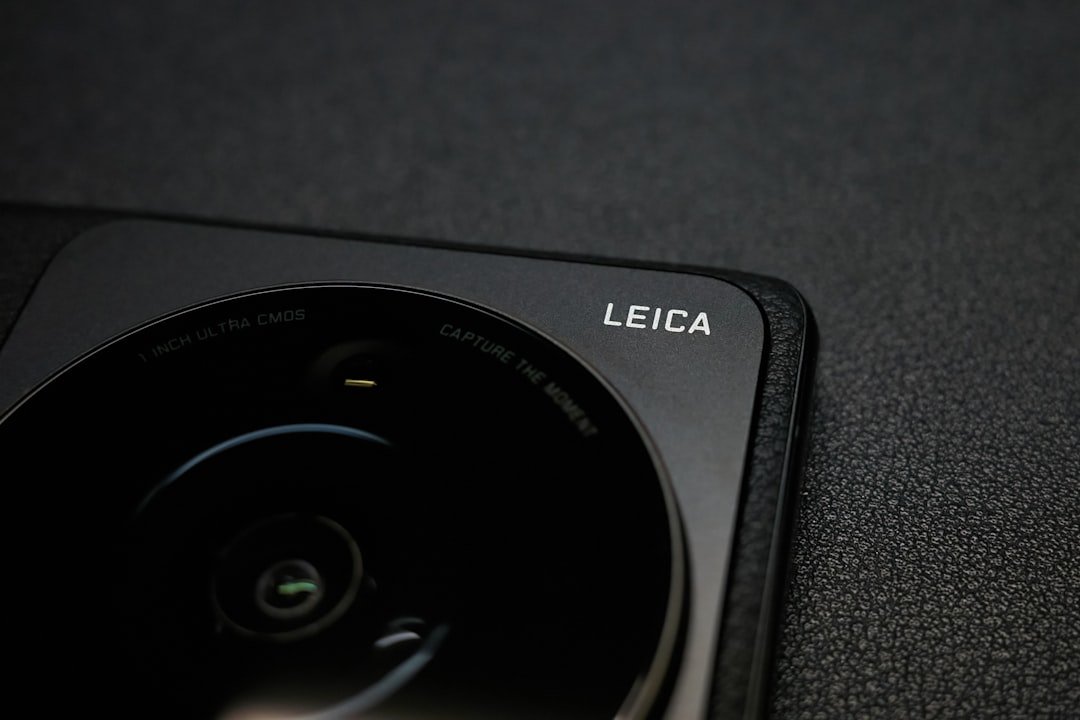
Leica’s involvement extends beyond mere branding; the partnership reflects a philosophical alignment with precision optics and optical excellence. The device proudly displays the iconic Leica Red Dot, a symbol recognized globally as a hallmark of superior imaging quality. This collaboration demonstrates how legacy camera manufacturers are adapting to the smartphone era while maintaining their commitment to optical purity.
From a technical standpoint, the 17 Ultra boasts an impressive array of imaging sensors and lens configurations. The specifications suggest Xiaomi has invested substantially in sensor quality, computational processing power, and multi-focal capabilities. The mechanical zoom mechanism provides tactile feedback and precise control that digital zoom controls simply cannot replicate—a consideration that resonates deeply with photographers accustomed to traditional equipment.
The Broader Market Context
This development reflects a larger trend within Asia’s mobile technology sector. Manufacturers increasingly recognize that serious content creators and photography enthusiasts demand more sophisticated tools than generalized smartphone cameras provide. By incorporating professional-grade imaging controls and optical partnerships, companies like Xiaomi are creating devices that appeal to both casual users and discerning photographers.
The mechanical zoom ring particularly addresses a common frustration among mobile photographers: the imprecision inherent in digital zooming and touchscreen-based focal length adjustments. By reintroducing mechanical control elements, the device allows photographers to frame compositions with deliberate precision, much like adjusting focus rings on traditional lenses.
Looking Forward
The 17 Ultra’s approach suggests that the smartphone-versus-dedicated-camera debate may be evolving beyond resolution comparisons. Rather than attempting to outspecify traditional cameras, manufacturers are instead creating hybrid devices that blend mobile convenience with tangible imaging tools. This philosophy represents maturation in the smartphone photography space, acknowledging that genuine creative expression benefits from intentional controls and meaningful interaction with equipment.
For photography professionals and serious enthusiasts, such developments warrant careful attention. As mobile devices continue absorbing capabilities traditionally reserved for dedicated imaging systems, the question shifts from capability to philosophy: What role will intentional design and tactile engagement play in the future of mobile photography?