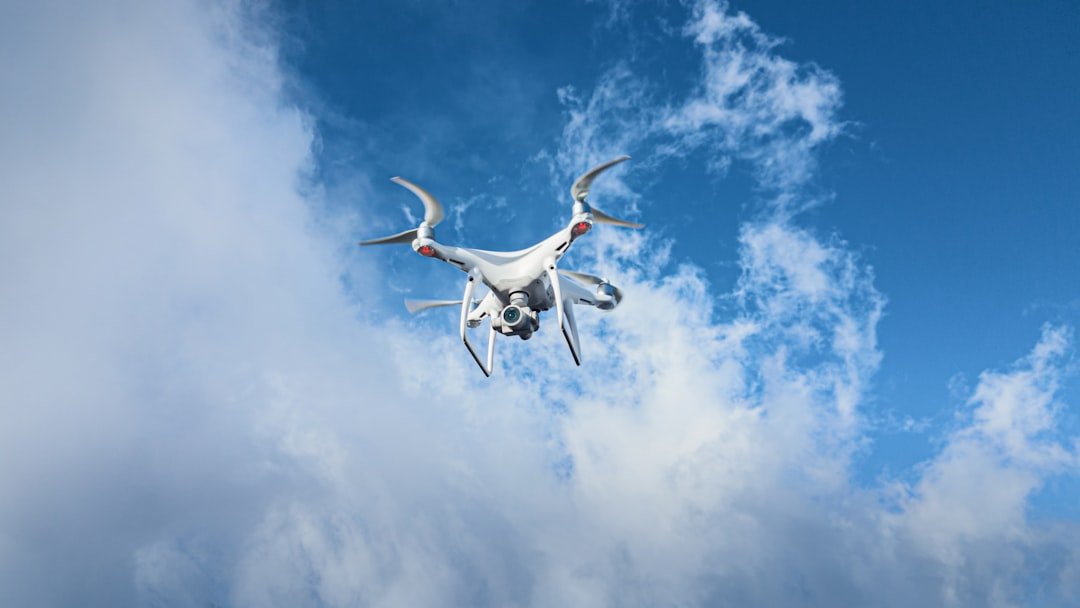
The regulatory landscape for unmanned aerial systems in the United States has undergone a seismic shift. The Federal Communications Commission has effectively implemented restrictions preventing the authorization of new remotely piloted aircraft manufactured outside American borders, effectively closing the door on international drone manufacturers seeking to enter or expand their presence in the domestic market.
The Mechanism Behind the Restrictions
This regulatory action operates as a de facto moratorium rather than an explicit prohibition. The FCC has recalibrated its authorization protocols to reject applications for previously unapproved unmanned systems and their essential components sourced from foreign manufacturers. The practical consequence is substantial: any drone model lacking existing FCC certification cannot legally enter the American marketplace without securing special dispensation from the Department of Defense or Department of Homeland Security.
Significantly, the restrictions do not affect existing units already in consumer and professional hands. Currently deployed systems may continue operation without interruption, and present inventory can remain available through retail channels. However, the unavailability of replacement components poses potential challenges for long-term maintenance and operation.
National Security Rationale
The FCC’s official statement anchors the policy shift to homeland security concerns, emphasizing the dual-use nature of aerial platforms. The agency acknowledges legitimate applications for public safety and technological advancement while cataloging potential vulnerabilities, including utilization by criminal enterprises, foreign adversaries, and terrorist organizations. The agency cited upcoming major events—specifically the 2026 FIFA World Cup and 2028 Summer Olympics—as catalysts warranting enhanced airspace protection measures.
Long-Anticipated Market Disruption
This regulatory maneuver represents the culmination of sustained governmental pressure against leading international manufacturers, particularly DJI, which commands approximately 70% market share in the American commercial and consumer drone sector. Federal efforts to restrict these platforms have intensified across multiple administrations and governmental branches, including recent demands for comprehensive security evaluations that proceeded without completion.
DJI has already demonstrated awareness of these regulatory headwinds. The company has declined to officially introduce numerous new products to the American market despite possessing the requisite certifications. This proactive market withdrawal, even while asserting proper authorization channels, signals resignation to the evolving policy environment.
Implications for Imaging Professionals
The ramifications extend considerably beyond recreational users. Professional photographers and cinematographers have increasingly integrated aerial platforms into their creative toolkit, while agricultural surveyors, industrial inspectors, forestry management specialists, and infrastructure assessment professionals have become dependent on this technology for operational efficiency and cost effectiveness.
The regulatory vacuum creates uncertainty regarding whether domestic manufacturers can adequately supply comparable products at competitive price points. Currently, no established American drone manufacturers possess portfolios matching the accessibility, affordability, and user-friendliness standards established by international competitors.
The FCC’s characterization of this action as a catalyst for “American drone market dominance” remains aspirational absent tangible evidence of domestic manufacturing capacity or innovation pipeline readiness to fulfill this mandate.