Finding Your Ideal Camera in Today’s Market
The midrange camera segment has solidified itself in the $2,500-$3,000 bracket, representing a sweet spot for photographers and videographers seeking professional-grade capabilities without enterprise-level pricing. However, recent tariff adjustments in domestic markets have shifted availability and pricing dynamics, making informed purchasing decisions more important than ever.
At this investment level, you’re acquiring substantially more than just a camera body. Modern offerings in this tier deliver remarkable specifications that rival professional sports photography equipment in autofocus performance, while simultaneously providing comprehensive video tooling that satisfies content creators and cinematographers alike. The real differentiator lies in understanding the broader ecosystem you’re entering when committing to a particular manufacturer.
Ecosystem Considerations Matter
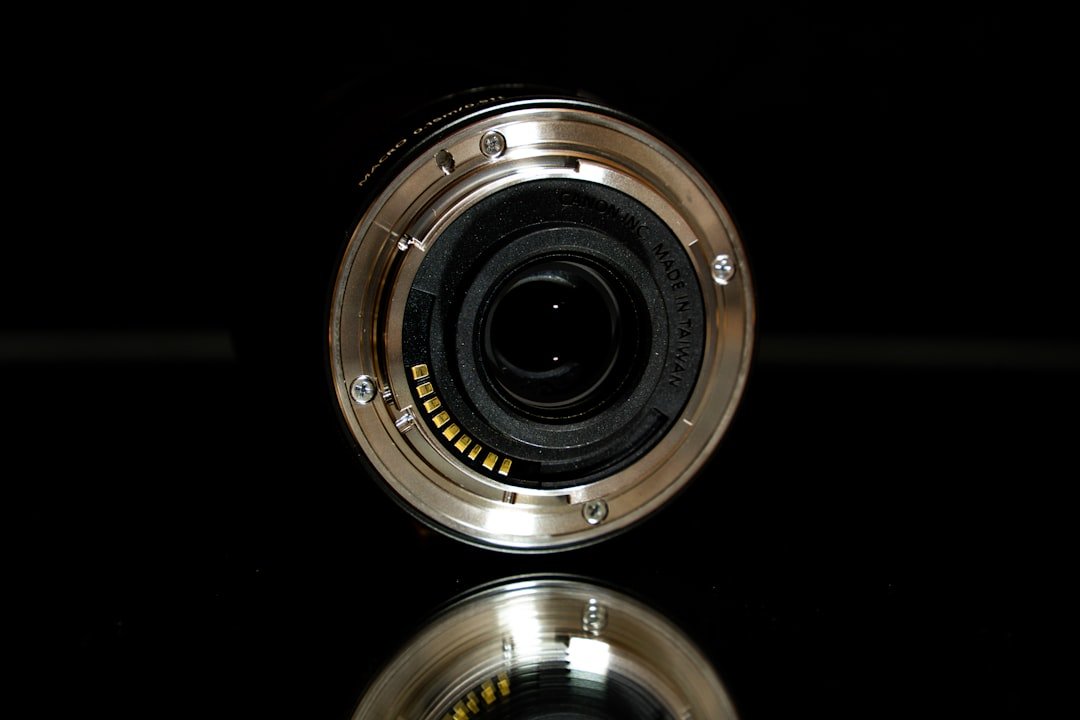
Selecting imaging hardware extends far beyond the body itself. The lens infrastructure surrounding your chosen platform will ultimately define both creative possibilities and ongoing investment requirements. Before finalizing any purchase, conduct thorough research into lens pricing, availability, and whether third-party manufacturers enjoy open access to create compatible optics. Certain companies maintain stricter proprietary standards, which can significantly impact long-term flexibility.
For those transitioning from traditional DSLR systems, it’s worth evaluating whether contemporary mirrorless lens designs justify migration costs. Modern optical engineering frequently delivers superior performance compared to legacy designs, potentially warranting equipment upgrades despite compatibility adapters being technically available. This transition also presents an opportunity to reassess brand loyalty and explore alternatives that better align with your creative direction.
Canon EOS R6 III: The Complete Performer
Specifications: 33MP full-frame CMOS sensor | 3.0-inch articulating touchscreen with 1.62M dot resolution | 7K video capture at 60fps
Canon’s flagship midrange offering consolidates an impressive array of capabilities into a cohesive package. The sensor delivers excellent dimensional clarity coupled with accurate color reproduction that satisfies demanding post-processing workflows. Autofocus implementation proves remarkably reliable across multiple subject tracking paradigms, while continuous shooting at 40fps (albeit with reduced dynamic range) handles fast-action scenarios.
Video performance shines in specialized capture modes, particularly Raw and oversampled 4K recording at cinema frame rates. Rolling shutter characteristics remain well-controlled, and the comprehensive suite of recording assistance features streamlines production workflows. The primary limitation emerges during extended high-framerate recording in thermally demanding environments, where internal heat management may restrict ambitious shooting parameters.
The imaging sensor captures excellent tonal gradation and detail retention across typical photographic scenarios, though peak dynamic range doesn’t quite match certain competitors’ performance. The interface design prioritizes customization, offering extensive button remapping possibilities that accommodate various shooting preferences.
The Current Competitive Landscape
Early 2026 presents exceptional opportunities for discerning buyers, as manufacturers aggressively compete for market positioning. Alternative platforms like Panasonic’s S1II offer extended video capabilities through integrated thermal management systems, while other manufacturers address specific niches—compact form factors, wildlife telephoto support, or specialized vlogging features.
This competitive intensity translates directly into genuine value for consumers willing to evaluate their specific requirements before purchasing. Whether prioritizing stills excellence, video versatility, ergonomic preferences, or lens ecosystem depth, the current marketplace offers legitimately competitive solutions across multiple brands and price points.