Storage Solutions Face Dramatic Cost Increases Amid Global Chip Crisis
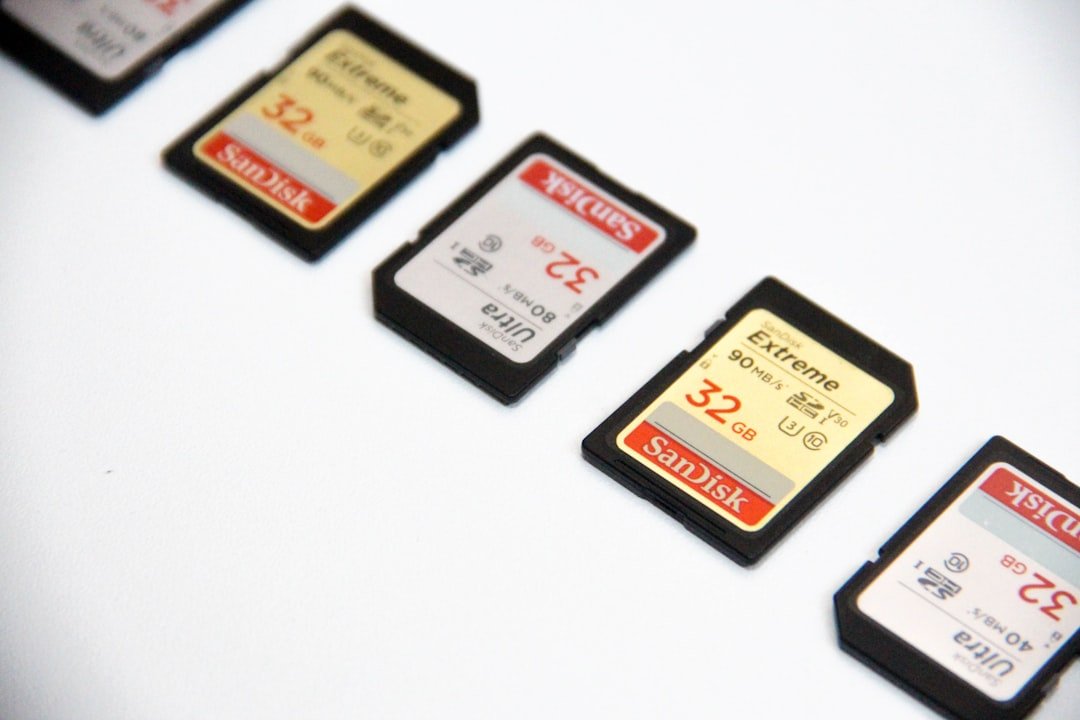
The photography and content creation industries are bracing for significant financial impacts as memory card manufacturers adjust pricing in response to unprecedented market pressures. ProGrade Digital, a leading supplier of professional-grade storage solutions, has announced substantial price increases affecting its Japanese market, with some products seeing valuations climb by as much as 123 percent.
This pricing adjustment reflects the broader supply chain challenges currently reverberating through the technology sector. The root cause stems from surging demand for semiconductors, particularly from artificial intelligence infrastructure providers operating massive data centers worldwide. These facilities require vast quantities of memory chips to power machine learning operations, edge computing, and neural network processing tasks.
Understanding the Market Dynamics
The semiconductor shortage represents a fundamental shift in how memory resources are allocated across industries. Data center operators have substantially increased their orders for high-capacity memory solutions, fundamentally altering the competitive landscape for consumer and professional electronics manufacturers. This redistribution of available chip supplies has created cascading effects throughout the storage device ecosystem.
Professional photographers, videographers, and production teams depend heavily on reliable storage media for capturing and managing their work. Memory cards serve as critical components in modern imaging workflows, particularly for professionals shooting high-resolution imagery and 4K or 8K video footage. The increased costs directly impact production budgets and operational expenses for creative professionals.
Broader Industry Implications
ProGrade Digital’s announcement signals that price pressures will extend beyond memory cards alone. The company’s official statement indicates that solid-state drives and other storage solutions will likely experience comparable increases. These price adjustments will eventually influence purchasing decisions throughout the supply chain, from individual creators to commercial production facilities.
Storage media manufacturers have limited control over semiconductor costs, as upstream suppliers face their own capacity constraints. The imbalance between AI infrastructure demand and traditional consumer demand has shifted negotiating power considerably. Manufacturers must either absorb losses or pass increased expenses to end-users.
What This Means for Content Creators
Industry professionals should anticipate higher equipment costs throughout 2024 and potentially beyond. Those requiring immediate storage solutions may face difficult choices between accepting premium pricing or delaying purchases in hopes of market stabilization. Enterprise clients managing large-scale productions will need to adjust budget forecasts accordingly.
The situation underscores the interconnected nature of modern technology markets. Decisions made by artificial intelligence companies regarding data center expansion have measurable consequences for photographers, filmmakers, and other creative professionals who rely on affordable, dependable storage solutions.
While no definitive timeline has been established for market normalization, industry analysts suggest that semiconductor supply chains may require 12-18 months to rebalance, assuming artificial intelligence investment levels remain consistent. Manufacturers continue monitoring these developments closely and may announce further adjustments as the situation evolves.