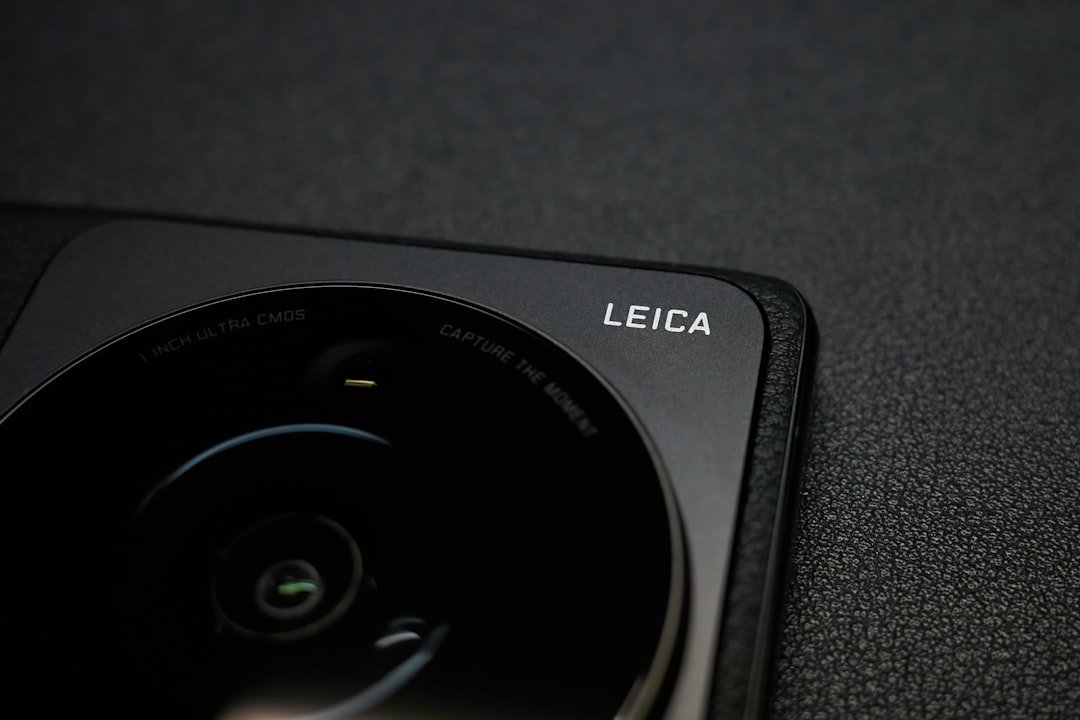
In a significant shift within the premium camera market, Leica has announced plans to resume internal development of imaging sensors, marking a strategic pivot that promises to reshape the company’s technological independence and product differentiation.
For decades, the legendary German optics manufacturer has relied on third-party sensor suppliers to power its digital camera systems. This dependency, while pragmatic from a manufacturing standpoint, has limited Leica’s ability to create truly proprietary imaging solutions that distinguish its cameras from competitors. The decision to reinvest in sensor engineering represents a fundamental commitment to regaining control over a critical component that directly influences image quality, color rendering, and overall photographic performance.
The Broader Industry Context
The imaging sensor landscape remains dominated by a handful of major manufacturers, with Sony, Canon, and Samsung controlling the vast majority of production. This consolidation creates a challenging environment for independent brands seeking to differentiate their offerings. Leica’s initiative to develop proprietary sensors addresses a long-standing limitation in the competitive camera ecosystem, where technological diversity has become increasingly scarce.
By returning to sensor manufacturing, Leica positions itself alongside other heritage camera brands that have pursued vertical integration strategies. This approach allows manufacturers to optimize every aspect of the digital imaging pipeline, from sensor architecture through image processing algorithms, creating a cohesive technological ecosystem.
Strategic Implications for Leica
The company’s renewed focus on in-house sensor development carries substantial implications for its product roadmap. Custom sensors would enable Leica to pursue distinctive design philosophies that complement its renowned optical engineering. The company could implement specialized pixel architectures, unique color filter arrays, and proprietary noise reduction techniques that reflect Leica’s signature aesthetic.
This investment also strengthens Leica’s operational resilience during a period of global supply chain volatility. Manufacturing critical components internally provides greater control over production timelines, quality standards, and future technology innovations. For a brand built on precision engineering and meticulous attention to detail, this vertical integration aligns perfectly with established company values.
Timeline and Industry Impact
While specific launch timelines remain undisclosed, Leica’s commitment to sensor development signals a multi-year engineering initiative. The company will need to establish manufacturing partnerships, recruit specialized talent, and conduct extensive testing to ensure sensors meet the exacting standards expected by professional and enthusiast photographers.
Should Leica successfully execute this strategy, the broader camera industry may experience welcome shifts toward greater technological plurality. Other manufacturers could pursue similar approaches, potentially encouraging innovation in sensor design and fostering renewed competition in a sector where genuine differentiation has become rare.
This development underscores how legacy camera companies continue adapting to digital-era challenges by leveraging their engineering expertise and brand heritage. Leica’s decision to revisit sensor manufacturing represents both a nostalgic return to the brand’s roots in precision technology and a forward-looking strategy for maintaining relevance in an increasingly competitive global market.