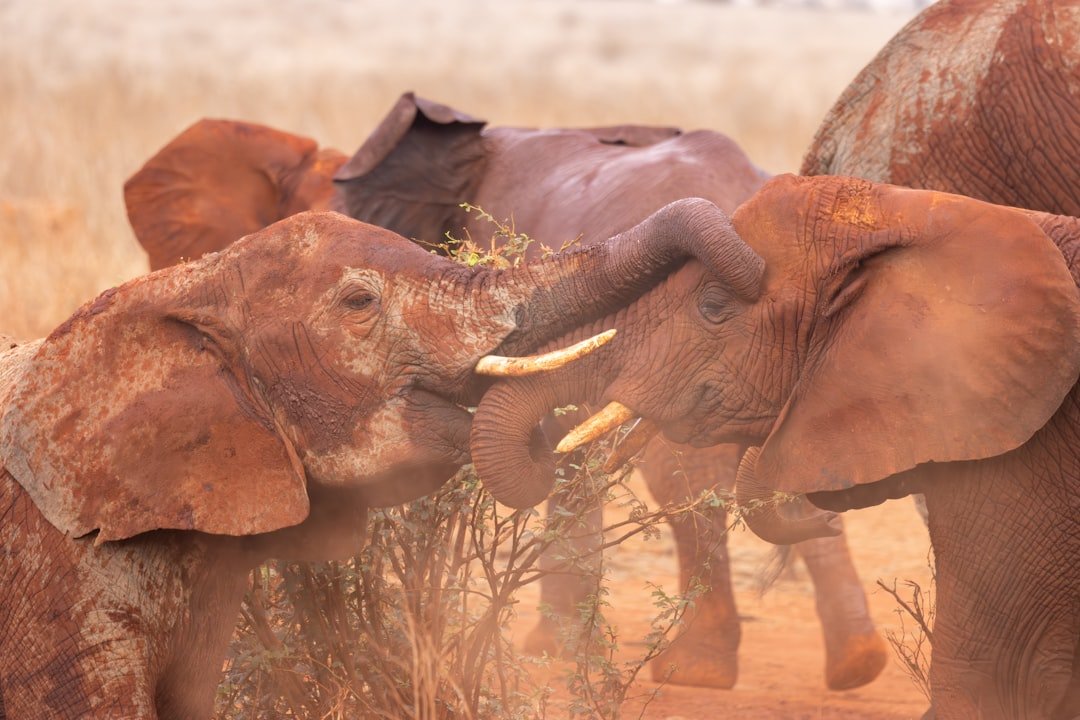
The Passing of an African Icon
The global photography community mourned the loss this past weekend of Craig, an extraordinarily distinguished African elephant whose magnificent presence captivated visual storytellers for decades. At 54 years old, Craig’s departure marks the end of an era in wildlife documentation, leaving behind an unparalleled visual legacy that has inspired countless photographers across the globe.
Craig’s status as a “super tusker”—the designation given to African elephants possessing exceptionally large ivory tusks—made him one of the most sought-after subjects in contemporary nature photography. His distinctive appearance and commanding presence positioned him as an enduring symbol within the professional photography community, attracting expeditions from wildlife photographers, documentary cinematographers, and conservation-focused visual journalists throughout his lifetime.
A Photographic Legacy
Throughout his five decades, Craig’s image graced prestigious publications, gallery exhibitions, and conservation campaigns worldwide. His portraits represent some of the most compelling examples of modern wildlife portraiture, demonstrating the technical mastery required to capture the dignity and complexity of large mammals in their natural habitat. Professional photographers who documented Craig developed deep respect for his behavioral patterns, learning to anticipate moments that revealed both his physical grandeur and subtle emotional intelligence.
The technical challenges of photographing such an imposing subject—requiring specialized telephoto lenses, sophisticated tracking techniques, and extensive field expertise—made Craig something of a benchmark assignment within the wildlife photography profession. Successfully capturing his likeness represented a significant achievement for many career photographers.
Conservation Ambassador
Beyond his aesthetic contributions to visual culture, Craig embodied the conservation imperatives facing East African wildlife. His very existence as a surviving super tusker represented a victory against poaching pressures that have decimated elephant populations across the continent. Kenya claimed Craig as a national treasure, and his life served as powerful documentary evidence for the importance of protected habitats and anti-poaching initiatives.
Wildlife conservation photographers particularly recognized Craig’s ambassadorial value—his image became instrumental in awareness campaigns highlighting the vulnerability of Africa’s megafauna. Each photograph functioned as both artistic expression and conservation advocacy, demonstrating photography’s unique capacity to merge aesthetic achievement with environmental activism.
Industry Reflections
The professional photography community has responded with extensive tributes celebrating Craig’s contributions to visual storytelling and conservation messaging. Photographers who had dedicated time to capturing his likeness shared reflections emphasizing not merely his photogenic qualities, but his significance as a living representative of Kenya’s natural heritage.
Craig’s passing underscores the urgency surrounding wildlife preservation efforts and the role visual media plays in conservation discourse. His photographic documentation creates an enduring record of a remarkable individual whose existence inspired both artistic expression and environmental consciousness among photographers and audiences worldwide.
As the photographic archive chronicling Craig’s life continues circulating through publications and exhibitions, his visual legacy remains a testament to wildlife photography’s power to commemorate remarkable creatures while advancing conservation awareness globally.