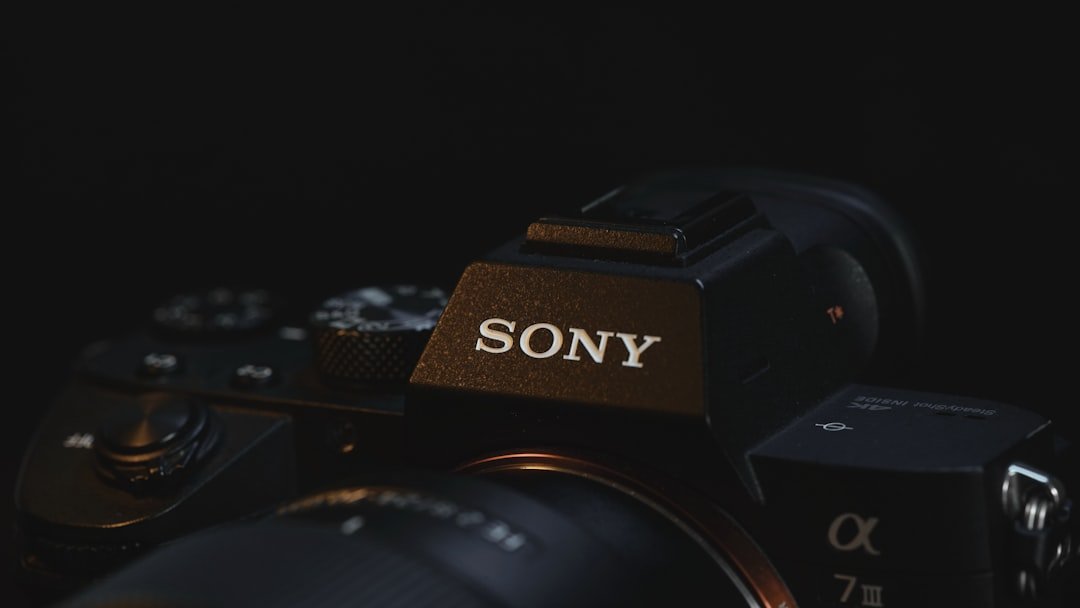
Evaluating the a7 V’s Real-World Capabilities
As we settle into 2026, Sony’s latest flagship mirrorless offering deserves thorough examination. The a7 V recently underwent our comprehensive studio testing protocol, which evaluates optical performance across various shooting conditions. This evaluation helps photographers understand whether the camera’s enhanced capabilities come with any compromise in image fidelity.
Our laboratory test environment replicates diverse real-world scenarios, incorporating multiple surface textures, color gradations, and fine detail elements. The controlled setting includes both evenly distributed illumination and directional lighting setups, allowing assessment of performance across lighting variations that professionals regularly encounter in the field.
Resolution and Base ISO Performance
The 33-megapixel sensor architecture delivers impressive resolving power that matches comparably-equipped competitors such as Canon’s EOS R6 III and Sony’s own previous generation a7 IV. When examining unprocessed sensor data at native ISO, the a7 V demonstrates equivalent detail rendering to other 33MP systems, while substantially outpacing 24MP alternatives in terms of resolution.
Sony appears to have refined its color science compared to the a7 IV iteration. This refinement becomes apparent when examining the camera’s native JPEG output, which exhibits pleasing color saturation and accurate white balance across diverse lighting scenarios.
High-Sensitivity Operation and Noise Characteristics
When pushing sensitivity settings upward, the a7 V’s raw files exhibit marginally elevated luminance noise compared to direct competitors. This tendency becomes increasingly noticeable as ISO values escalate further. However, the camera’s proprietary image processing algorithm handles noise reduction effectively, maintaining acceptable detail preservation even at challenging sensitivities.
Interestingly, the a7 V extends its native sensitivity range one full stop beyond the EOS R6 III’s maximum. In practical application, this extended range primarily provides additional configuration flexibility rather than consistently usable image quality at extreme settings.
The Partially Stacked Sensor Advantage
The headline achievement involves the partially stacked sensor architecture, which delivers measurable benefits in shadow detail retention at lower ISO values. This technological advancement also enables substantially faster continuous shooting bursts, addressing demands of action and sports photographers.
What’s particularly noteworthy is the absence of visible quality degradation accompanying these performance enhancements. The generational leap doesn’t sacrifice the refined image rendering that established the a7 IV’s professional reputation.
Overall Assessment
When comparing side-by-side results, the a7 V maintains visual consistency with its predecessor while introducing quantifiable operational advantages. The enhanced dynamic range handling at base sensitivities provides expanded creative flexibility for studio and landscape work, while improved buffer management and frame rates benefit fast-action documentation.
For working photographers evaluating this system, the a7 V represents meaningful refinement rather than revolutionary transformation. The engineering compromises appear genuinely absent—photographers gain legitimate performance benefits without sacrificing the meticulous image quality that made Sony’s full-frame lineup compelling to professionals across numerous disciplines.