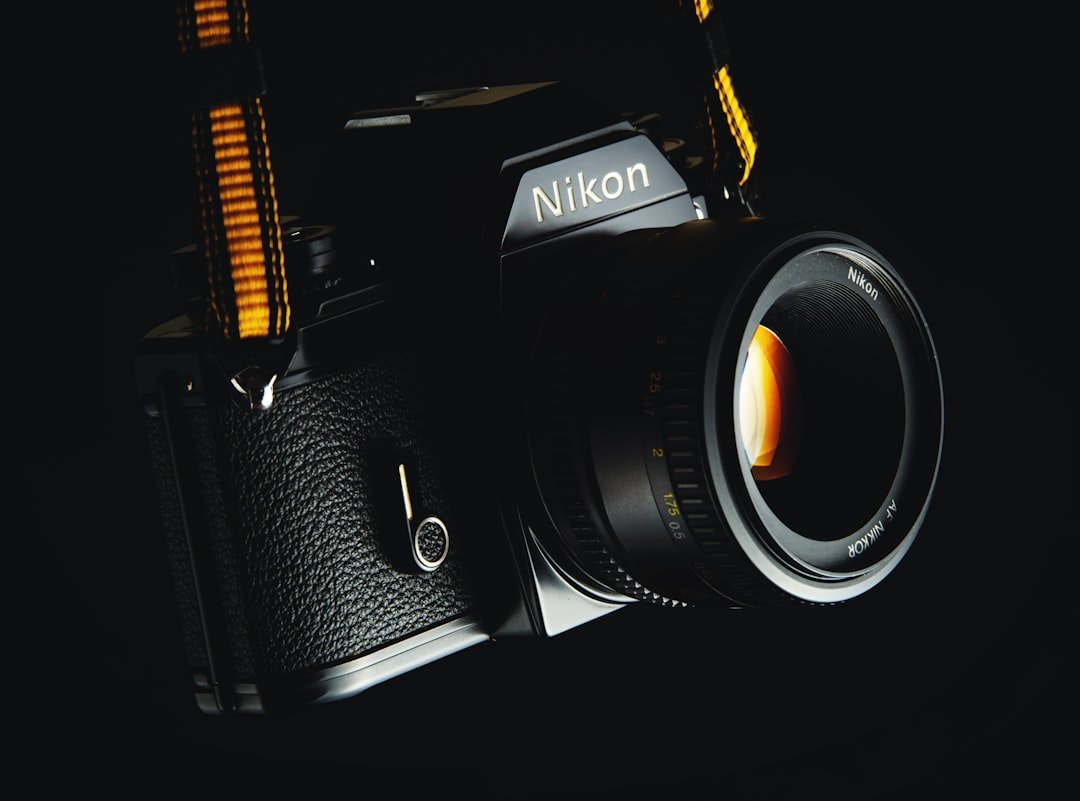
The Versatile Standard Zoom That Demands Scrutiny
In the contemporary mirrorless ecosystem, a fast standard zoom lens occupies a peculiar position. The NIKKOR Z 24-70mm f/2.8 S II represents precisely the type of optical tool that photographers often default to when seeking a single, adaptable solution. Yet before committing to this premium optic, practitioners should carefully examine whether this particular iteration justifies its premium positioning in terms of both financial outlay and practical utility.
Professional photographers working across demanding assignments—whether documenting travel narratives, capturing live events, or executing hybrid photo-video production—frequently encounter scenarios where a versatile focal range becomes essential. The appeal of minimizing lens changes while maintaining consistent optical quality throughout the day cannot be overstated. However, the decision to invest in this specific lens extends beyond simple functionality.
Beyond the Specification Sheet
When evaluating any professional-grade optic, the published technical data tells only partial story. The f/2.8 constant aperture across the entire 24-70mm range certainly provides substantial light-gathering capability and shallow depth-of-field potential. Yet real-world implementation involves numerous considerations that lab testing rarely captures completely.
Weight distribution and handling characteristics significantly impact field performance, particularly during extended shooting sessions or when operating a camera mounted on stabilization equipment. The optical rendering—including bokeh characteristics, color rendition, and microcontrast properties—ultimately determines whether the lens aligns with individual aesthetic preferences. Additionally, autofocus responsiveness, vibration reduction effectiveness, and build quality longevity deserve careful evaluation before purchase.
Strategic Considerations for Your Workflow
Different professional disciplines benefit from this focal range in markedly different ways. Travel photographers appreciate the compositional flexibility spanning from moderate wide-angle perspectives through useful telephoto compression. Event professionals leverage the fast aperture for maintaining shutter speeds in challenging ambient lighting while managing subject separation through depth-of-field control. Videographers value the stabilization technologies and smooth focusing mechanisms that contemporary engineering provides.
Nevertheless, valid alternatives exist depending on specific requirements. Some practitioners discover that specialized solutions—perhaps pairing complementary fixed-focal-length optics or selecting alternative zoom ranges—better serve their particular assignments. Others find that previous-generation equipment remains entirely sufficient, particularly when budget constraints factor into purchasing decisions.
The Practical Cost-Benefit Analysis
The financial investment required for premium fast zooms continues climbing as manufacturers incorporate advanced optical designs and electronic systems. This expenditure merits careful justification against genuine operational needs rather than aspirational gear accumulation. Will this specific lens measurably improve your output quality or streamline your production process sufficiently to justify its cost differential versus other options?
Consider honestly whether you consistently work in environments where the constant f/2.8 aperture delivers tangible advantages, or whether you more frequently operate at smaller apertures where optical differences narrow considerably. Evaluate whether the versatile focal range genuinely eliminates problematic lens-swapping scenarios in your typical assignments.
Making Your Decision
The NIKKOR Z 24-70mm f/2.8 S II undoubtedly represents accomplished optical engineering within Nikon’s mirrorless system. However, equipment purchases should align directly with demonstrable professional requirements rather than following default assumptions about what professionals “should” carry. Conduct honest assessments of your actual shooting patterns, environmental conditions, and optical requirements before committing to premium-tier equipment. The best lens ultimately remains the one that genuinely enhances your ability to execute your vision.