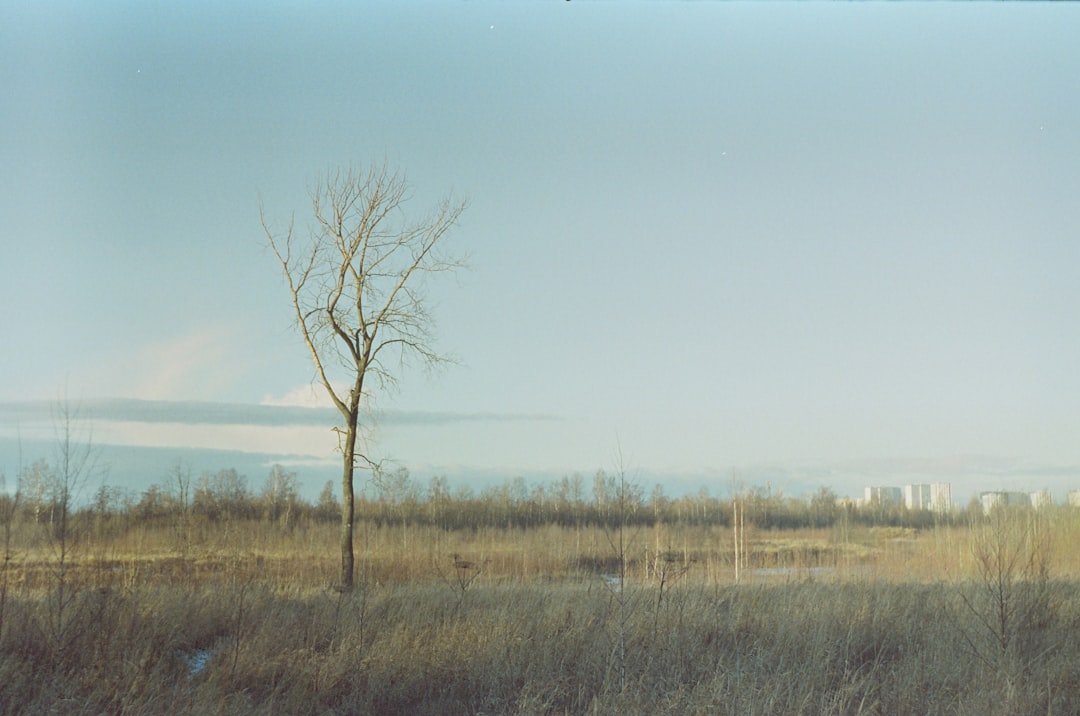
The Paradox of Technical Perfection Without Emotional Resonance
Many contemporary landscape photographers find themselves wrestling with a perplexing challenge: their images demonstrate exceptional technical execution—pristine focus throughout, optimal exposure, and meticulous composition—yet they fail to captivate viewers. This disconnect between technical proficiency and visual storytelling represents one of the most common frustrations in modern landscape photography.
Understanding the Wide-Angle Conundrum
Ultra-wide focal lengths have become the default choice for landscape work, and rightfully so in many contexts. These lenses excel at capturing expansive vistas and conveying the grandeur of natural environments. However, their very strength can become a significant weakness when photographers default to including everything visible within the frame. This approach frequently results in compositions that assault the viewer’s eye with excessive visual information, ultimately communicating nothing with particular clarity or intention.
Five Compositional Habits Undermining Your Work
Several recurring patterns consistently sabotage otherwise competent landscape imagery. Identifying and correcting these tendencies can dramatically elevate your photographic voice and create work that resonates with audiences on a deeper level.
Lack of Clear Subject Hierarchy: When every element receives equal visual weight, viewers struggle to understand what merits their attention. Establishing a dominant focal point—whether it’s a distinctive geological formation, atmospheric conditions, or architectural element—provides viewers with a clear entry point into your image.
Inadequate Foreground Development: Many photographers overlook the compositional potential of immediate surroundings. Thoughtfully incorporating foreground elements with texture or interest creates spatial depth and guides the viewer’s eye progressively through the frame rather than presenting a flat, overwhelming panorama.
Compositional Passivity: Simply positioning yourself at conventional vantage points and documenting what’s before you produces predictable, forgettable results. Active composition—deliberately choosing specific angles, elevations, and framings—transforms mundane scenes into compelling narratives.
Neglecting Atmospheric Conditions: Weather, lighting quality, and seasonal variations fundamentally impact how landscapes communicate. Leveraging these conditions rather than simply tolerating them separates memorable imagery from technically sound but emotionally flat work.
Compositional Overcrowding: The digital age encourages photographers to capture maximum data, but restraint often yields superior results. Strategic negative space, selective inclusion, and purposeful omission create breathing room that allows individual elements to command appropriate attention.
Developing a Distinctive Vision
Transforming your landscape work requires conscious examination of your shooting habits and intentional refinement of your decision-making process. Rather than defaulting to familiar approaches, challenge yourself to explain—with precision—why each component occupies space within your frame. This philosophical shift from documentation to intentional creation elevates work from competent to compelling.
Technical mastery provides the foundation upon which meaningful imagery is built. When combined with thoughtful compositional strategy and authentic visual perspective, this foundation supports work that genuinely moves observers and endures beyond the initial viewing experience.