When Real-World Drama Meets Digital Fabrication
A remarkable wildlife incident unfolded this week across the streets of St. Louis, Missouri, capturing international attention and raising critical questions about visual media authenticity in our digitally saturated landscape. The unusual situation involved a troop of vervet monkeys and a solitary goat venturing into urban spaces, creating what would typically be a straightforward news story—if not for an overwhelming influx of artificial imagery that muddied the informational waters.
What began as a legitimate documentary opportunity quickly evolved into something far more complex. As traditional news outlets scrambled to cover the developing situation with genuine photojournalism, the narrative became increasingly compromised by machine-generated visual content. This convergence of authentic events and synthetic media represents a growing challenge for professional photographers and newsrooms worldwide.
The Challenge of Visual Credibility in the AI Era
The proliferation of AI-synthesized photographs during this incident exemplifies a fundamental shift in how visual information propagates through digital channels. For professional photographers and visual journalists, this presents a troubling precedent. The distinction between authentic documentation and algorithmically-produced imagery has become increasingly blurred in public perception, threatening the integrity of photojournalism as a discipline.
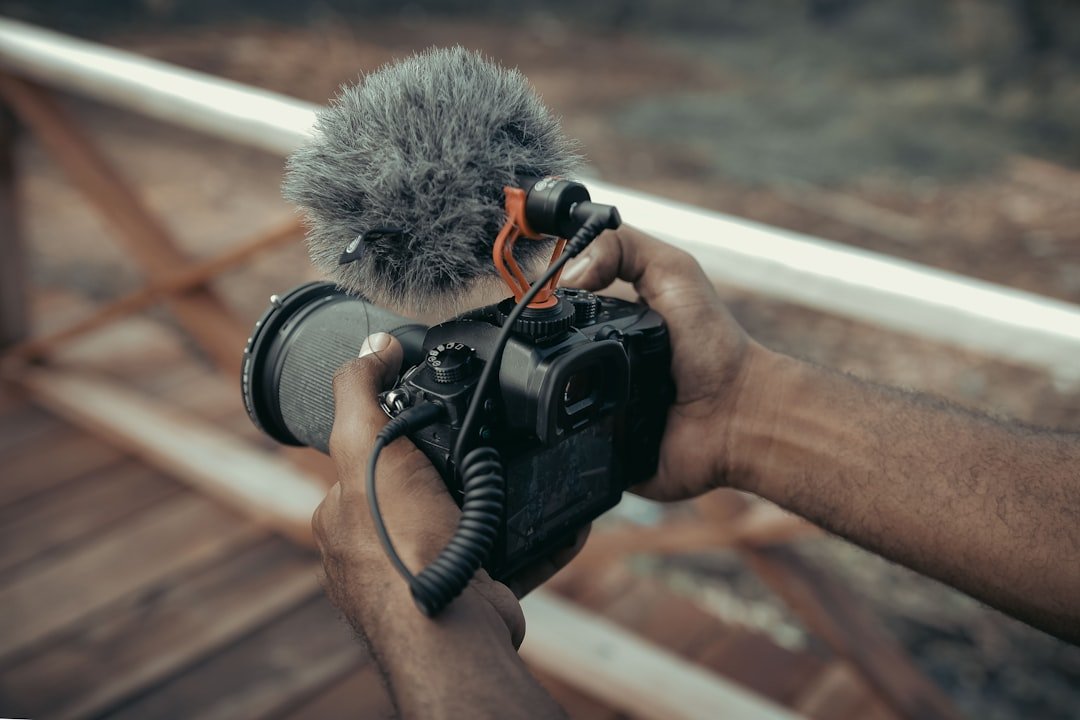
In traditional editorial photography, photographers invest significant technical expertise in composition, lighting, and timing to capture newsworthy moments. The camera, as a documentary instrument, serves as evidence. However, when synthetic alternatives flood social media and news aggregators, they dilute the authority of genuine photographic work. This phenomenon complicates fact-checking processes and erodes public trust in visual reporting.
Industry Implications and Standards
The St. Louis situation arrives at a critical juncture for media organizations attempting to establish clearer protocols around image authentication. Professional bodies within photography have begun advocating for transparent labeling of AI-generated content, metadata verification systems, and enhanced digital literacy among consumers. These measures aim to preserve the documentary value of photography while acknowledging emerging technologies.
For photographers, the incident underscores the importance of technical skills, editorial ethics, and verifiable documentation—qualities that distinguish professional work from machine-generated alternatives. The human eye, creative decision-making, and contextual awareness remain irreplaceable elements of meaningful photojournalism.
Moving Forward
As technology continues advancing, the photography industry faces mounting pressure to develop stronger authentication frameworks and ethical guidelines. Professional standards must evolve to address these challenges while maintaining the medium’s credibility as a reliable documentation tool. The Missouri incident serves as a cautionary example of how unchecked synthetic media can undermine legitimate visual journalism and public understanding of real events.