A Harrowing Moment on Set: When Automotive Cinematography Goes Wrong
In a stark reminder of the occupational hazards that can emerge on film productions, a cinematographer experienced a terrifying incident while executing close-range footage of a classic Rolls-Royce luxury automobile. The near-fatal occurrence underscores the unpredictable risks that production crews face when capturing dynamic vehicle sequences on location.
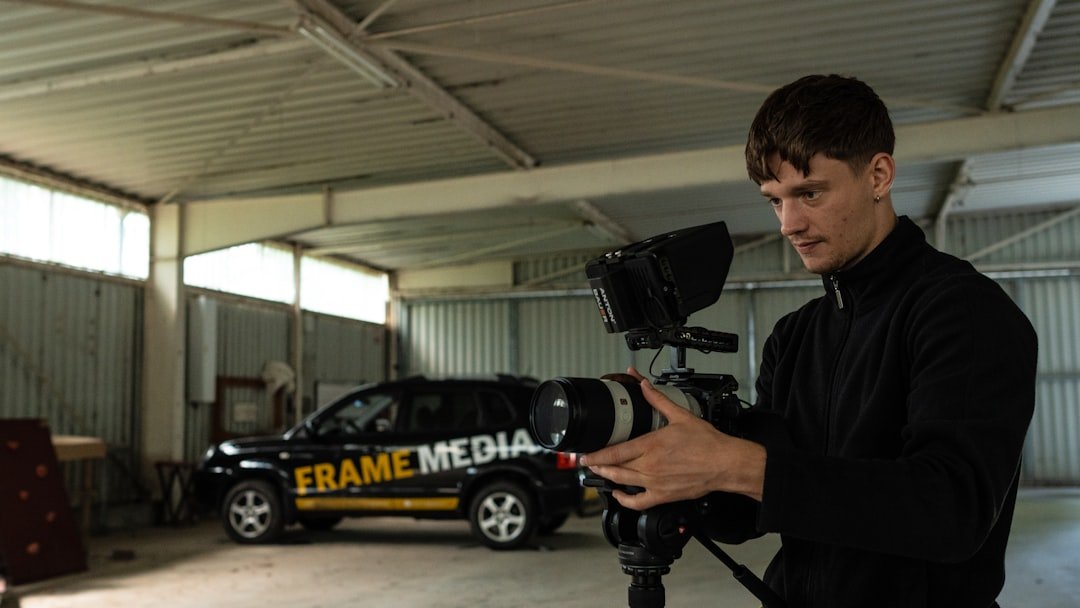
The incident occurred during the filming of what appeared to be a high-production-value shoot requiring intimate camera positioning relative to the vintage motor vehicle. To achieve the desired cinematic perspective, the camera operator positioned himself in close proximity to the automobile, utilizing specialized lens work to capture detailed shots that would enhance the final edit’s visual appeal.
Understanding the Risks in Automotive Cinematography
Filming moving vehicles demands meticulous coordination between multiple departments. Camera operators, focus pullers, and safety coordinators must work in concert to ensure both compelling imagery and personnel protection. The cameraman’s predicament highlights how rapidly situations can deteriorate when technical requirements collide with operational safety protocols.
Professional cinematography involving automobiles requires comprehensive pre-production planning, including rehearsals of vehicle movements, precise blocking of camera positions, and emergency contingency procedures. The incident serves as a cautionary tale about the importance of rigorous safety protocols, particularly when positioning crew members near operating machinery capable of delivering catastrophic force.
The Importance of Safety Culture on Set
Industry standards mandate that production supervisors and safety officers maintain constant vigilance during sequences involving vehicles. Communication systems, spotters, and backup personnel are essential components of responsible filmmaking. When these protective measures are implemented correctly, they substantially mitigate risks associated with mobile equipment and vehicles.
The cinematographer’s experience reinforces established best practices within professional production environments. Insurance companies, union representatives, and safety organizations consistently emphasize the necessity of comprehensive safety briefings, equipment inspections, and clear communication protocols before any vehicle-based photography commences.
Lessons for Production Teams
This incident provides valuable learning opportunities for aspiring filmmakers and seasoned professionals alike. Production companies must invest in appropriate safety infrastructure, including dedicated safety coordinators, comprehensive insurance coverage, and ongoing crew training. Additionally, rehearsals without rolling cameras allow teams to identify potential complications before actual filming occurs.
Modern productions increasingly employ technological solutions to enhance safety, including drone cinematography for establishing shots, remote camera systems, and virtual production techniques that reduce the necessity of positioning crew members in proximity to moving vehicles.
Moving Forward
While the specifics of this particular incident remain under review, the broader implications resonate throughout the filmmaking community. Production companies must continually evaluate their safety procedures and ensure compliance with industry regulations. For cinematographers and camera technicians, this situation reinforces the critical importance of advocating for proper safety measures and refusing to compromise on protocols designed to protect crew wellbeing.
As the industry evolves, the balance between capturing visually compelling content and maintaining rigorous safety standards remains paramount. Production teams that prioritize both objectives will continue advancing the art of cinematography while ensuring all personnel return home safely at the end of each filming day.