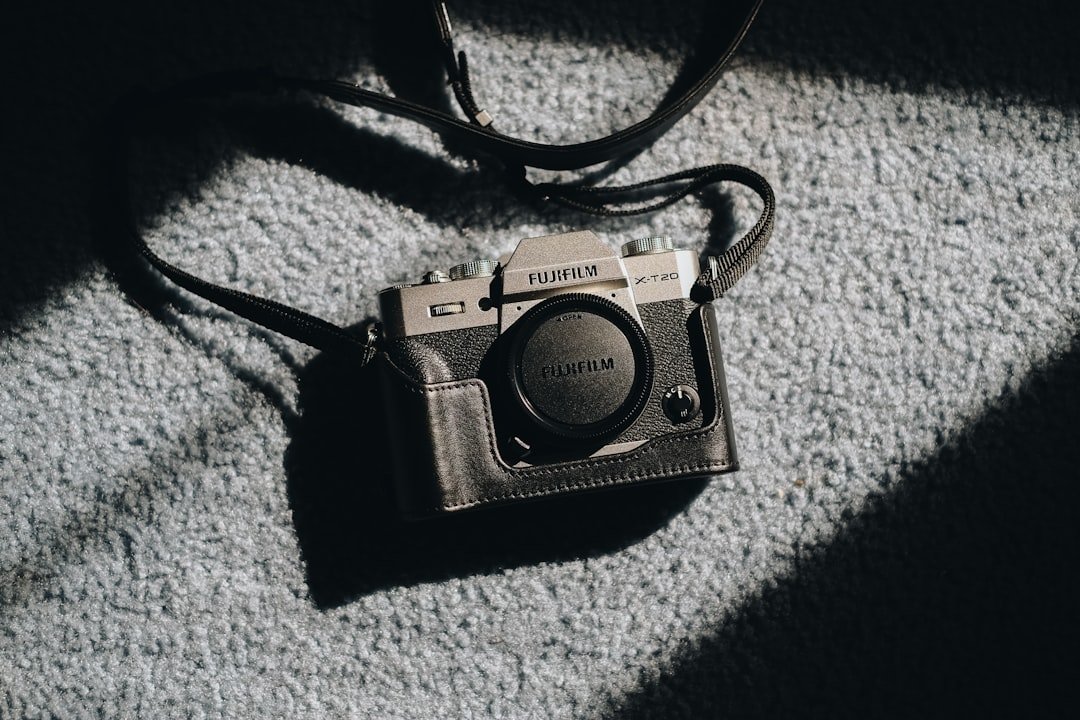
When Less Technical Specification Means More Creative Satisfaction
A curious phenomenon emerges in the photography community that defies conventional logic: seasoned professionals who have spent considerable time analyzing sensor performance metrics, optical formulas, and computational photography algorithms often discover their most fulfilling creative work stems from deliberately choosing inferior equipment.
This contradiction becomes particularly stark when you consider the trajectory of modern gear acquisition. Years devoted to studying resolution benchmarks, lens optical bench testing data, and focusing precision specifications create an expectation that superior hardware directly correlates with superior results. Yet this assumption frequently collapses in practice, revealing a deeper truth about how photographers actually connect with their craft.
The Specifications Paradox
The contemporary camera market has become increasingly obsessed with measurable performance indicators. Marketing departments emphasize megapixel counts, autofocus point density, and dynamic range capabilities as primary differentiators between systems. However, this hyper-focus on quantifiable metrics often obscures something essential: the relationship between photographer and equipment operates on an entirely different frequency than laboratory benchmarks suggest.
Consider the appeal of deliberately humble cameras—those featuring modest sensor architectures, minimal computational processing, and straightforward mechanical designs. These devices liberate photographers from specification anxiety. Without the cognitive burden of maximizing technological potential, practitioners frequently report enhanced creative clarity and improved compositional thinking.
The Liberation Factor
Professional photographers who transition toward deliberately simplified equipment systems report a counterintuitive benefit: constraints foster innovation. When a camera offers fewer automated features, shooting modes, and computational assists, photographers must actively engage with fundamental principles—exposure calculation, manual focus technique, compositional discipline. This deliberate recalibration transforms the technical act of capture into a more meditative, intentional process.
The psychological dimension proves particularly significant. Expensive, complex systems carry implicit pressure to justify their investment through measurable output. Conversely, humble equipment removes this psychological weight, enabling photographers to prioritize subjective satisfaction over technical optimization. This mental freedom frequently generates work that resonates emotionally more powerfully than technically perfect alternatives.
Industry Implications
This phenomenon challenges conventional camera manufacturing philosophy. The industry has perpetually evolved through incremental performance improvements—marginal sensor enhancements, refined autofocus algorithms, expanded feature sets. Yet market data increasingly reflects consumer interest in intentionally simplified alternatives, from film camera revivals to dedicated compact systems explicitly rejecting technological maximization.
Photojournalists, art photographers, and documentary practitioners frequently achieve their most respected work using equipment that wouldn’t survive contemporary performance comparisons. This pattern suggests that photographic excellence correlates less with technical specification and more with creative intention, visual literacy, and deliberate artistic choice.
Reconciling the Contradiction
The apparent conflict between technical expertise and equipment preference ultimately reflects a mature understanding within photography communities. Comprehensive knowledge of photographic science doesn’t mandate constant pursuit of maximum technological sophistication. Instead, experienced practitioners develop nuanced appreciation for how specific tools—regardless of performance characteristics—facilitate particular creative visions.
This reconciliation suggests a more sophisticated purchasing philosophy: selecting equipment based on intended creative outcomes rather than abstract performance hierarchies. For some projects, maximum technical capability proves genuinely necessary. For others, deliberate simplification generates superior artistic results.
Understanding this paradox represents professional maturation in photography, acknowledging that specification sheets ultimately serve as secondary considerations compared to the photographer’s vision and the equipment’s capacity to manifest that vision authentically.