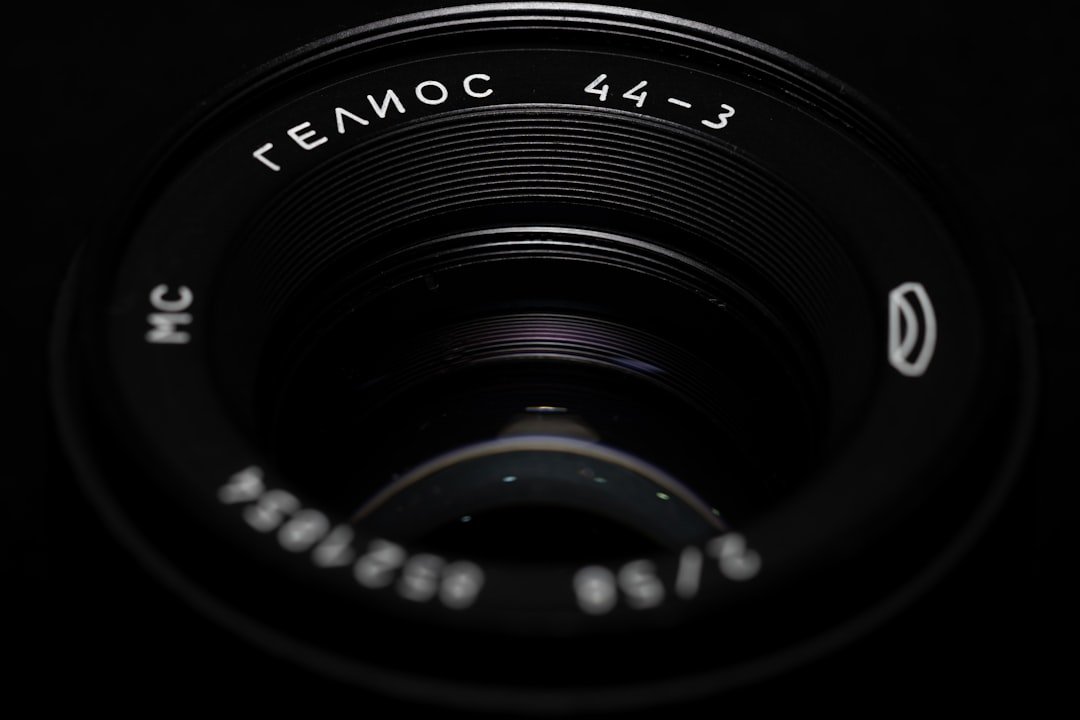
The Glass Over the Frame: Understanding Photography’s Real Investment
Visit any online photography community and you’ll encounter a recurring debate: does the camera body or the lens matter more? While seasoned photographers may sound dismissive when they insist that optics trump silicon, there’s substantial wisdom beneath their conviction. The reality is that photographers typically retain their lens systems far longer than any individual camera body, transforming glass into a semi-permanent commitment to a specific mount ecosystem.
In today’s competitive landscape, virtually every major manufacturer produces exceptional camera bodies. Canon, Nikon, Sony, and others have elevated their engineering to remarkable standards. This convergence in body quality means that your decision-making process should pivot toward a more consequential question: will this system’s optical lineup satisfy your creative vision?
The Lens Ecosystem as a Long-Term Lock-In
Selecting a camera mount is, in many respects, choosing a photographic ecosystem where you’ll invest significantly over the next decade or two. This commitment carries real financial and practical implications. A camera body becomes obsolete every few years, but quality glass remains relevant. Consider the pricing variations across manufacturers for a fundamental focal length like 50mm:
Canon RF Mount: Options range from the RF 50mm f/1.8 STM at $240 to the premium RF 50mm f/1.2L USM at $2,600, with the mid-tier RF 50mm f/1.4L VCM positioned at $1,550.
Nikon Z Mount: Pricing spans from the Z 50mm f/1.8 S ($670) and Z 50mm f/1.4 ($600) to the Z 50mm f/1.2 S ($2,250).
While both manufacturers provide breadth, the gaps between pricing tiers can be substantial without robust third-party alternatives to bridge them.
Evaluating Your Specific Optical Needs
The critical insight here is that no universal ranking system can determine which mount reigns supreme—because optical requirements vary dramatically among photographers. Your unique combination of needs should drive this decision. Before committing to a system, audit what lenses currently exist and honestly assess whether upcoming releases from the manufacturer will address any gaps within your timeline.
Niche and specialized requirements deserve particular attention. Experimental focal lengths and unconventional designs remain sparse across most platforms. If your work demands specialized optics, research how aggressively each manufacturer pursues such innovations through their R&D divisions.
Third-Party Lens Considerations and Legal Frameworks
The third-party lens situation differs markedly across mounts. Canon maintains restrictions on third-party autofocus lenses for RF-mount full-frame applications. Nikon permits Tamron and Sigma to develop Z-mount lenses, though licensing questions linger. The L-mount alliance—embracing Canon, Leica, Panasonic, Sigma, Viltrox, and others—offers the most collaborative approach. Sony’s E-mount presents an interesting case: while it permits extensive third-party development, certain performance features appear restricted to Sony-branded glass.
Understanding these legal and technical frameworks becomes essential when factoring aftermarket optics into your decision matrix.
Making Your Mount Decision
Your choice ultimately hinges on alignment between current optical availability and future manufacturer commitment. If a system already offers the exact lenses you require, that advantage alone justifies selection. Conversely, overlooking a system because it lacks lenses you’ll never use represents flawed logic. Compatibility between your creative aspirations and a mount’s optical library deserves your primary focus—because that decision will shape your photographic practice for years to come.