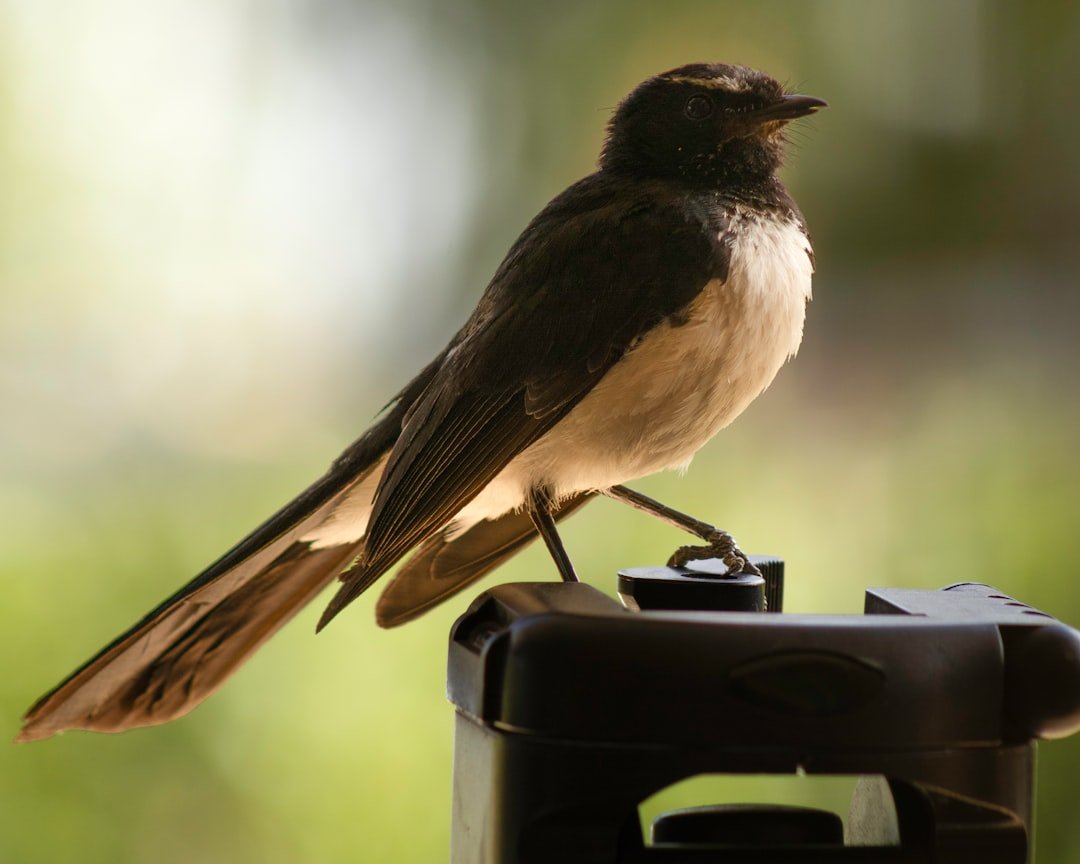
Scientific Evidence Links Avian Observation to Brain Health
Recent scientific findings reveal compelling connections between bird observation activities and enhanced neurological function during the aging process. This emerging research suggests that engaging with avian subjects—whether through traditional birding or the increasingly popular discipline of bird photography—may offer substantial cognitive advantages for mature individuals seeking to maintain mental acuity.
The intersection of nature-based hobbies and neurological wellness represents an exciting frontier in gerontological research. As photographers age, maintaining mental engagement becomes increasingly important for preserving cognitive function and supporting overall neurological vitality. Bird photography uniquely combines multiple cognitive demands: visual acuity, technical camera operation, environmental awareness, and species identification.
Photography as Active Cognitive Exercise
Unlike passive bird observation, bird photography demands sustained concentration and problem-solving. Photographers must navigate technical variables including aperture settings, shutter speed optimization, and composition principles while simultaneously tracking moving subjects through natural environments. This multitasking requirement engages multiple neural pathways simultaneously, potentially providing superior cognitive stimulation compared to observation alone.
The physical dimension of bird photography further enhances its neurological benefits. Photographers traverse varied terrain, adapt to changing lighting conditions, and maintain extended periods of focused attention—all activities that contribute to overall brain health and neuroplasticity in aging populations.
Connecting Two Adjacent Wellness Disciplines
While traditional birding has established its connection to cognitive benefits through formal research, bird photography represents a natural extension of these advantages. The technical proficiency required to capture compelling avian imagery—understanding depth of field, anticipating behavioral patterns, and composing shots in real-time—creates an exceptionally demanding cognitive workout.
For photography enthusiasts specifically, this research validates what many practitioners have intuitively understood: their hobby serves purposes far beyond aesthetic creation. The pursuit of technically excellent bird imagery engages the mind in ways that parallel established wellness practices while delivering tangible artistic and creative satisfaction.
Implications for the Photography Community
This research carries meaningful implications for how photographers conceptualize their practice, particularly within the bird photography niche. Rather than viewing the discipline solely as artistic pursuit or technical challenge, practitioners can appreciate their hobby’s contribution to long-term neurological health and cognitive preservation.
Professional and amateur bird photographers alike stand to benefit from understanding the wellness dimensions of their craft. This knowledge may also inspire photographers to maintain consistent engagement with their discipline throughout their lives, recognizing that sustained practice offers benefits extending beyond portfolio development or competitive achievement.
Looking Forward
As the intersection of creative practice and preventative health gains increasing recognition, bird photography emerges as an exemplary hobby that satisfies multiple human needs simultaneously. The convergence of technical challenge, aesthetic reward, environmental engagement, and demonstrable cognitive benefit positions bird photography as a particularly valuable pursuit for individuals seeking enriching activities that simultaneously support neurological wellness throughout their mature years.