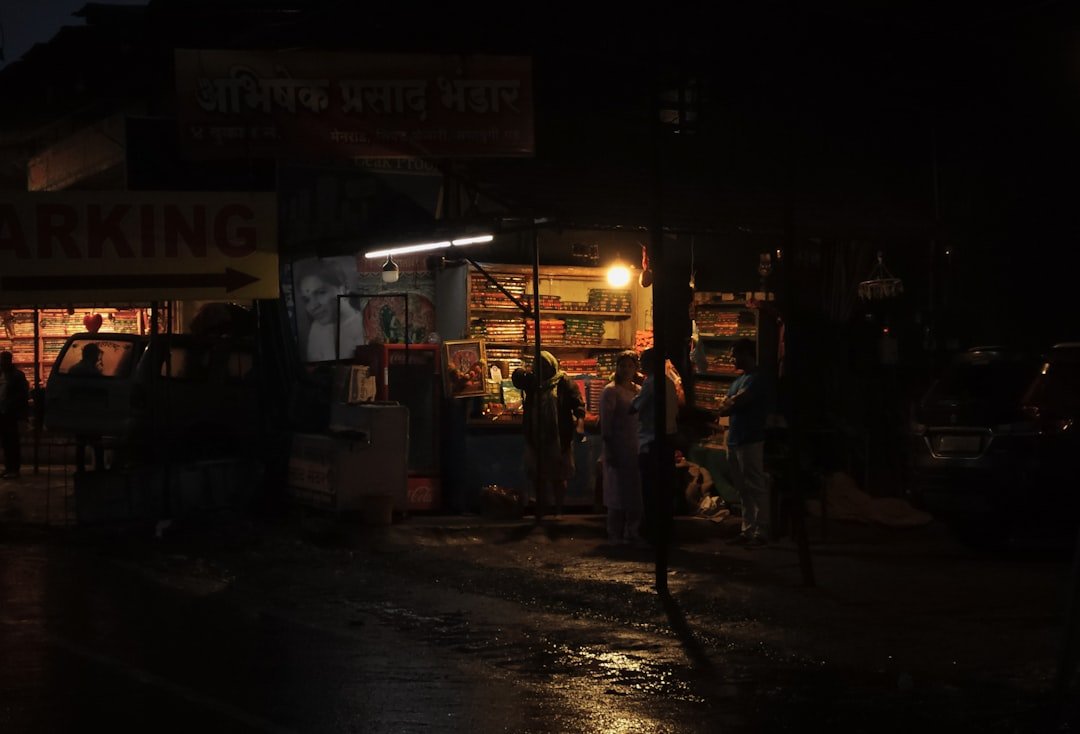
Mastering the Challenges of Dim Environments
Capturing compelling imagery under challenging lighting conditions represents one of photography’s most technically rigorous disciplines. Whether you’re documenting an intimate indoor event, capturing nighttime landscapes, or working in dimly lit venues, the technical hurdles can feel overwhelming. The encouraging news? Most photographers develop predictable habits that compromise their output, and these patterns are entirely correctable once identified and addressed systematically.
Understanding Your Equipment’s True Capabilities
A widespread misconception involves misunderstanding your camera’s actual sensor sensitivity and noise performance characteristics. Photographers frequently hesitate to push their ISO settings adequately, resulting in slower shutter speeds that introduce motion blur or necessitate wider apertures than the situation demands. Modern imaging sensors—particularly those found in contemporary mirrorless and DSLR bodies—handle elevated ISO values remarkably well. Familiarizing yourself with your specific equipment’s noise threshold at various sensitivities is essential groundwork that pays dividends.
The Aperture Decision Factor
Another prevalent oversight involves failing to leverage your lens’s maximum aperture advantage. Many photographers underestimate how dramatically a wider aperture transforms light-gathering capability and creative control. Rather than defaulting to kit lenses with modest f/5.6 maximum apertures, investing in or utilizing faster glass—particularly prime lenses in the f/1.4 to f/2.8 range—fundamentally changes what’s photographically possible in subdued lighting scenarios.
Stabilization and Movement Control
Shutter speed management often presents another stumbling block. When ambient light diminishes, maintaining fast enough shutter speeds while avoiding excessive sensor sensitivity creates a challenging balancing act. This is precisely where image stabilization technologies—whether built into your body, incorporated into your optics, or both—become invaluable tools. Understanding stabilization limitations and knowing when to employ tripods or other support systems separates sharp, usable captures from disappointing, soft failures.
White Balance and Color Accuracy
Inadequate attention to white balance under unconventional lighting deserves mention as well. Low-light environments frequently contain mixed color temperature light sources, from tungsten fixtures to LED panels to natural window light. Relying on automatic white balance often produces disappointing color casts. Establishing custom white balance or intelligently selecting preset options ensures your in-camera decisions reduce post-processing burden substantially.
Focus Precision in Darkness
Finally, autofocus struggles represent a frequently overlooked challenge. Many focusing systems become unreliable or sluggish when contrast diminishes. Understanding your camera’s various autofocus modes—and knowing when to switch to manual focusing for critical work—prevents countless missed opportunities. Some photographers supplement autofocus with focus peaking or magnified live view when precision is paramount.
Moving Forward Strategically
The pathway to consistent excellence in low-light photography involves systematic evaluation of your personal workflow patterns. By methodically addressing these technical shortcomings, you’ll develop muscle memory and decision-making frameworks that transform challenging conditions from dreaded obstacles into manageable creative opportunities. Your next dimly lit assignment awaits—armed with these insights, you’re substantially better equipped to deliver professional-quality results.