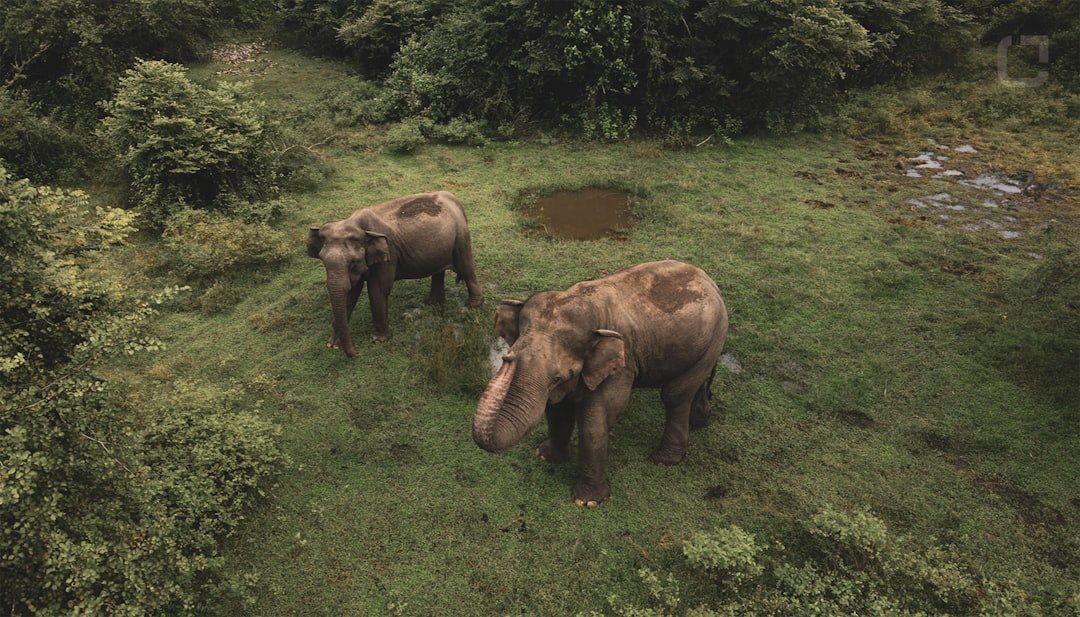
Groundbreaking Wildlife Survey Unveils Hidden Biodiversity Hotspot
A comprehensive camera trap initiative spanning vast territories in Southeast Asia’s most biodiverse region has successfully documented remarkable footage of threatened and rarely-sighted animal species. This ambitious conservation photography project represents a significant breakthrough in our understanding of wildlife populations across one of the planet’s least explored ecosystems.
The deployment of motion-activated imaging systems across remote terrain has proven instrumental in capturing behavioral documentation that would be nearly impossible to obtain through traditional field observation methods. These sophisticated camera networks function as tireless biological researchers, operating continuously across challenging landscapes and capturing spontaneous wildlife activity without human interference or disturbance to natural behaviors.
Advanced Imaging Technology Transforms Conservation Research
Remote camera systems have revolutionized how scientists approach wildlife inventory and population monitoring. By positioning weatherproof, battery-powered cameras equipped with infrared sensors throughout wilderness corridors and habitat zones, researchers can accumulate thousands of hours of unobserved footage. This methodology eliminates observer bias and provides authentic documentation of species distribution, activity patterns, and ecological relationships.
The technical specifications of modern camera trap systems have advanced considerably, featuring enhanced sensor sensitivity, rapid trigger mechanisms, and extended battery life capabilities. These improvements allow researchers to maintain continuous surveillance across expansive territories with minimal maintenance requirements, transforming our capacity to study elusive nocturnal and crepuscular species that traditionally elude direct observation.
Conservation Photography Yields Critical Insights
The footage collected through this systematic survey documents several species classified as vulnerable or endangered under international conservation classifications. Among the remarkable captures are behavioral sequences rarely documented in scientific literature, providing invaluable insights into breeding patterns, territorial dynamics, and habitat utilization strategies.
This project exemplifies how conservation photography extends beyond aesthetic documentation to become an essential scientific tool. The images serve multiple purposes: they establish baseline biodiversity data, support habitat protection arguments for policy makers, and engage public interest in regional conservation initiatives.
Implications for Future Conservation Strategy
The successful execution of this large-scale camera trap network demonstrates the feasibility of implementing region-wide biodiversity monitoring programs. As climate pressures and habitat degradation continue threatening vulnerable ecosystems, systematic visual documentation becomes increasingly critical for informed conservation management decisions.
The comprehensive dataset generated through this initiative will inform habitat protection strategies, guide resource allocation for threatened species recovery programs, and establish essential baseline measurements against which future environmental changes can be assessed. This approach represents a paradigm shift toward data-driven conservation planning grounded in empirical evidence.
As technological capabilities continue advancing, camera trap surveys will likely become standard methodologies for biodiversity assessment across protected areas worldwide. This particular initiative underscores the profound value of combining cutting-edge imaging technology with dedicated conservation efforts in our most vulnerable ecological regions.