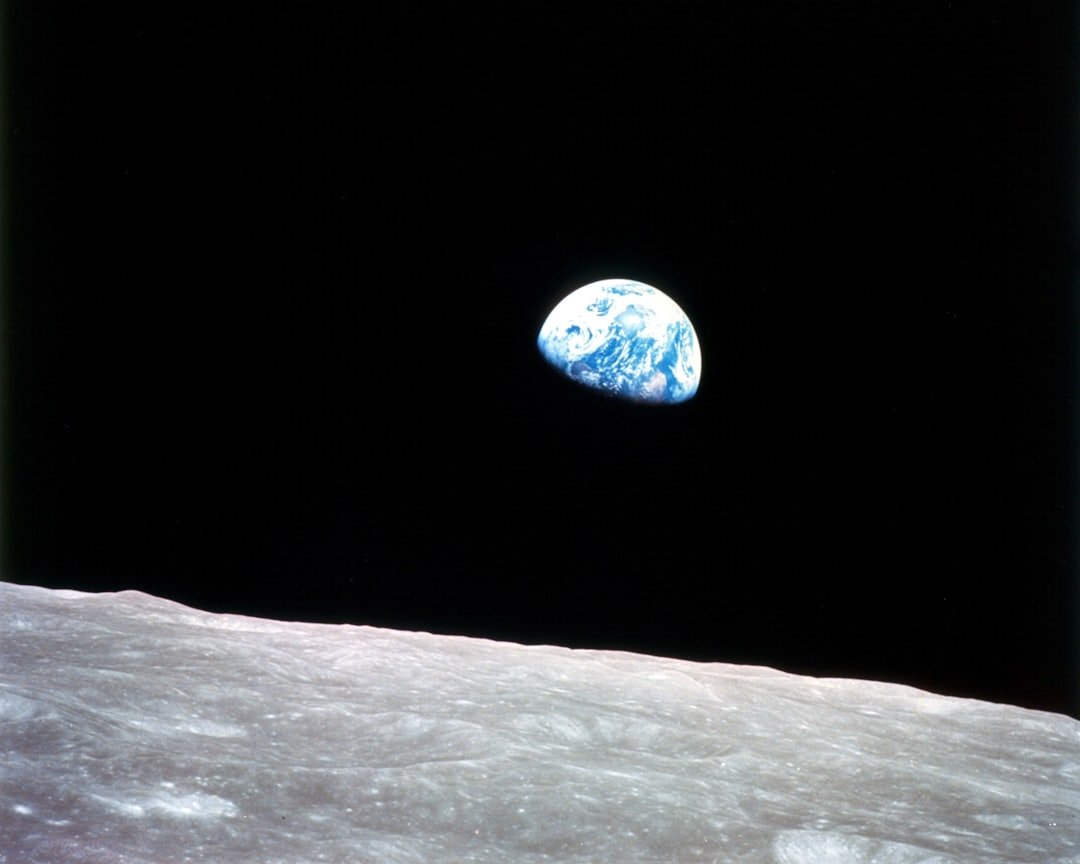
A Week-Long Odyssey Yields Extraordinary Visual Documentation
NASA’s Artemis II mission concluded triumphantly on April 10 with a successful Pacific Ocean splashdown, capping off an ambitious nine-day expedition that circled Earth’s natural satellite. The highlight of the journey was an intensive seven-hour lunar flyby window during which the astronaut crew captured more than 10,000 photographs—a staggering volume of imagery that underscores the mission’s commitment to comprehensive visual documentation.
Beyond Aesthetics: Science Through the Lens
While the raw number of exposures is impressive, what truly distinguishes this photographic archive is its dual purpose. These images serve as more than stunning visual records for public consumption; they represent critical scientific data that will inform our understanding of lunar geology, atmospheric phenomena, and the technical capabilities of spacecraft observation systems. Each frame carries research value alongside its aesthetic appeal.
The sheer volume of material—tens of thousands of frames across the entire mission duration—presents NASA with an extensive cataloging and analysis challenge. The agency has been systematically releasing curated selections across its digital platforms, allowing both the scientific community and enthusiast photographers to examine these otherworldly perspectives.
Educational Value Through Expert Analysis
Science communicators have seized the opportunity to contextualize these remarkable images for broader audiences. Notable among these efforts is a detailed video analysis by science educator Hank Green, who deconstructs specific photographs to illuminate the scientific narratives embedded within them. His breakdown of Earth’s sodium emissions layer—visible as a luminous band encircling the planet—exemplifies how space photography can reveal atmospheric characteristics invisible to terrestrial observation.
Green’s commentary also addresses fundamental photographic principles that take on special significance in the microgravity environment. Discussions of focal length selection and how telephoto compression affects apparent planetary scale demonstrate that even at the frontier of human exploration, core photographic concepts remain relevant. Additionally, the unique lighting conditions inherent to space create visual phenomena that challenge conventional terrestrial photography experience.
The Astronaut’s Perspective
The human element remains central to the mission’s narrative. Artemis II pilot Victor Glover captured the essence of witnessing a lunar eclipse from orbit, noting the profound difficulty in articulating the experience through language alone. This sentiment encapsulates why visual documentation becomes so invaluable—certain moments transcend verbal description and demand photographic evidence.
Canadian Space Agency specialist Jeremy Hansen, serving as mission specialist, actively participated in this image acquisition, positioning himself at the Orion spacecraft’s observation windows to capture the lunar landscape and broader cosmic vistas. Their hands-on involvement transformed these astronauts into both explorers and documentarians.
Looking Forward
The photographic legacy of Artemis II will continue unfolding as NASA’s teams methodically process and analyze the complete image library. This archival work represents a significant undertaking, but one that promises to yield insights relevant to future lunar exploration initiatives and our evolving understanding of space-based observation technology. For photography enthusiasts, space professionals, and scientific researchers alike, the forthcoming release of additional materials promises continued fascination with humanity’s expanding visual documentation of our cosmic neighborhood.