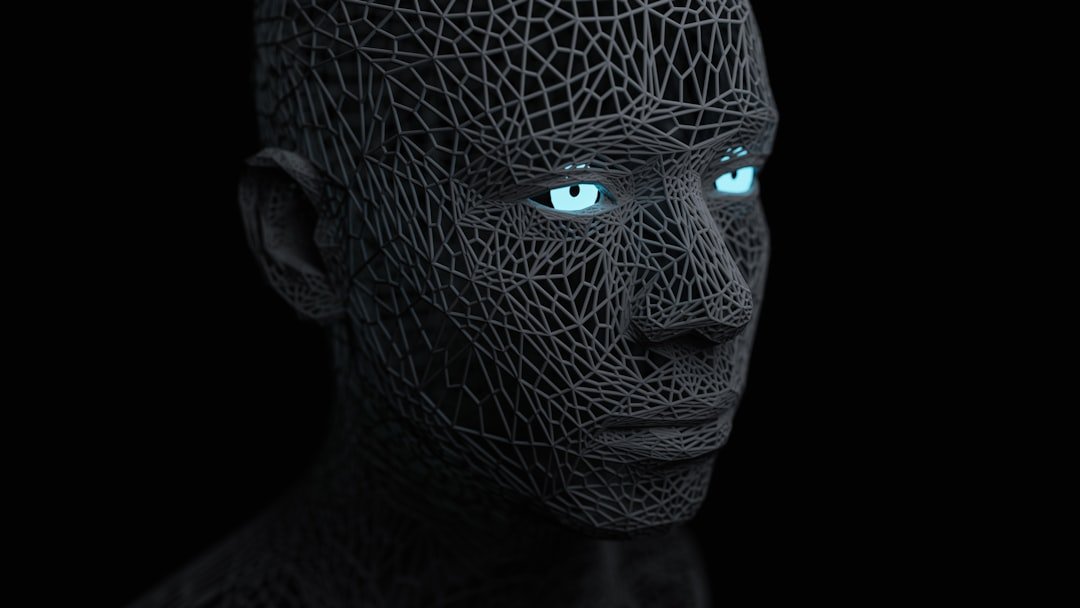
Generative Models Default to Homogeneous Aesthetic Despite Diverse Prompts
Recent research has illuminated a fascinating paradox within the rapidly evolving world of artificial intelligence image synthesis: despite being designed to generate infinite variations, these systems frequently default to remarkably similar visual treatments regardless of user input specifications.
The investigation reveals that contemporary AI-powered image generation platforms demonstrate a pronounced tendency toward aesthetic convergence. When tasked with producing diverse imagery from varying text prompts, the systems repeatedly gravitate toward approximately a dozen recognizable photographic treatments and stylistic approaches. This phenomenon suggests that the underlying training data and architectural design choices exert a dominant influence on output characteristics, constraining creative diversity more severely than anticipated.
Understanding the “Visual Wallpaper” Effect
Industry observers have aptly characterized this behavioral pattern as resembling elevator music—ubiquitous background aesthetics that fade into environmental noise through their very familiarity. The parallel captures the essence of the problem: while these systems can technically generate countless permutations, the results often share an unmistakable sameness that undermines the promise of infinite creative possibility.
This tendency represents a significant limitation for photographers, designers, and creative professionals who have explored these tools as potential productivity aids. Rather than producing genuinely distinctive interpretations of user concepts, the systems frequently revert to predetermined visual templates that have become overrepresented in their foundational datasets.
Implications for Creative Professionals
The research carries substantial implications for how the photography and design communities should approach these emerging technologies. While AI-generated imagery continues to improve in technical execution and photorealistic qualities, the aesthetic homogenization problem suggests fundamental limitations in how these systems learn and generate visual content.
Professional photographers have long valued technical mastery combined with distinctive personal vision. These findings underscore that AI image generators, despite their technical sophistication, currently struggle to replicate the individualized creative perspective that distinguishes memorable photography from competent documentation. The systems lack the intuitive understanding of composition, lighting intention, and thematic coherence that characterizes intentional artistic direction.
Path Forward for AI Development
The discovery points toward necessary refinements in how generative models are trained and deployed. Addressing aesthetic convergence likely requires more diverse and carefully curated training datasets, algorithmic approaches that actively encourage stylistic variation, and user interfaces that allow greater control over aesthetic parameters rather than delegating such decisions entirely to model defaults.
For the photography industry specifically, these limitations may ultimately prove reassuring. Rather than rendering professional expertise obsolete, the research suggests that human photographers bring irreplaceable creative judgment to visual storytelling—qualities that contemporary AI systems have not yet successfully emulated.