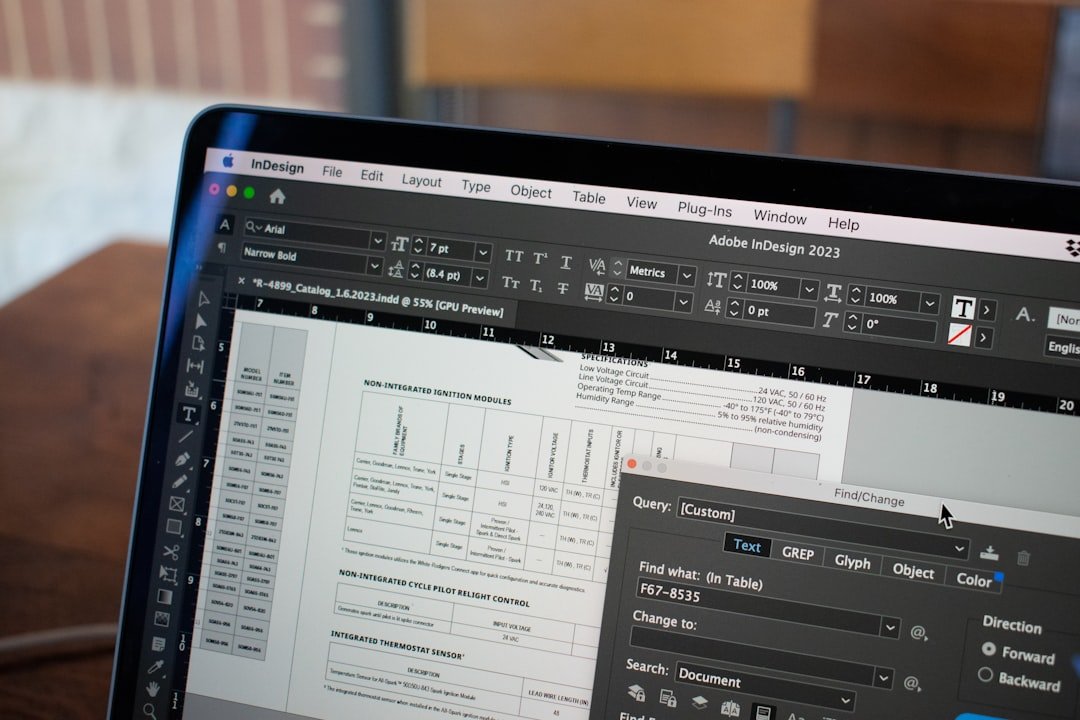
Intelligent Automation Meets Creative Software
Professional photographers and digital asset managers face an ongoing challenge: managing and processing large-scale image libraries efficiently. When confronted with hundreds or thousands of photographs requiring identical adjustments, color grading, or formatting modifications, the repetitive nature of the work can drain creative energy and consume valuable production hours.
Anthropic’s emerging agentic artificial intelligence technology presents a compelling solution to this workflow bottleneck. Rather than manually executing each editing command, photographers could theoretically delegate bulk processing tasks directly to an intelligent system capable of understanding natural language instructions and executing them within industry-standard editing platforms like Adobe Photoshop.
How Agentic AI Transforms Image Processing
Unlike conventional automation tools that follow rigid, pre-programmed sequences, agentic AI systems demonstrate autonomous decision-making capabilities. These systems can interpret contextual instructions, adapt to variable parameters, and execute complex multi-step processes with minimal human oversight. For photography professionals, this means potential liberation from monotonous batch editing sessions.
Imagine simply instructing an AI agent: “Resize this batch of product photographs to our e-commerce specifications, maintain aspect ratios, and apply our standard color profile.” Rather than manually navigating menu systems hundreds of times, the agent could theoretically manage the entire operation autonomously.
Industry Implications and Practical Applications
This technology carries substantial implications across multiple photography sectors. Wedding photographers managing thousands of images from a single event could accelerate post-production timelines. Commercial photographers handling product catalogs could streamline asset delivery. Stock photography agencies could process submissions more efficiently, potentially reducing bottlenecks in their review workflows.
The accessibility factor matters considerably too. Photographers with limited technical proficiency or small teams without dedicated post-production staff could leverage sophisticated editing capabilities previously reserved for larger operations with dedicated technicians.
Considerations and Current Limitations
While the potential seems significant, important considerations remain. Current generative AI systems sometimes struggle with nuanced creative decisions requiring human judgment. The difference between technically correct adjustments and aesthetically appropriate ones represents a critical distinction in professional photography.
Additionally, integration challenges persist. Seamless compatibility between AI systems and established professional software requires careful development and testing. Questions surrounding data privacy and proprietary image handling must be addressed before widespread adoption becomes feasible.
The Future of Collaborative Creativity
Rather than replacing human creativity, agentic AI appears positioned to function as a sophisticated technical assistant. Photographers could focus on conceptual decisions, artistic direction, and client management while delegating execution-heavy tasks to intelligent systems.
As Anthropic and competing AI developers refine these technologies, the photography industry will likely witness gradual integration of agentic systems into mainstream workflows. The professionals who successfully adapt to these tools while maintaining their creative expertise will likely gain competitive advantages in an increasingly technology-enabled landscape.
The question isn’t whether artificial intelligence will influence photography workflows—it’s how quickly creative professionals will adopt these tools and establish best practices for human-AI collaboration in image production.