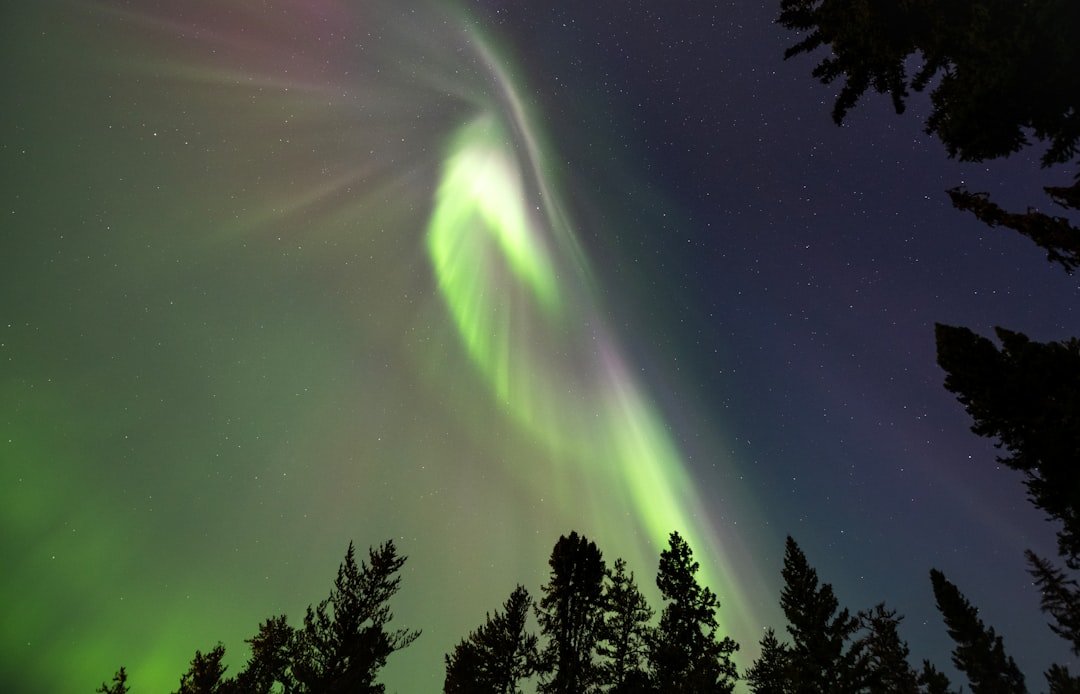
Powerful Solar Eruption Creates Opportunity for Northern Lights Photography
A significant solar event unfolded on Monday, March 16th, when the Sun released a substantial coronal mass ejection directed toward Earth. This energetic burst of plasma and magnetic fields is now forecasted to impact our planet’s magnetosphere, creating ideal conditions for observing the aurora borealis across much of the northern United States.
The National Oceanic and Atmospheric Administration’s Space Weather Prediction Center has issued an official geomagnetic storm alert, with Thursday, March 19th marked as the primary window for viewing activity. This announcement presents an exciting opportunity for astrophotographers and aurora enthusiasts positioned across northern latitudes.
What This Means for Aurora Chasers and Photographers
For imaging professionals and hobbyists alike, geomagnetic storms represent rare chances to capture the celestial light show that has captivated photographers for generations. The interaction between charged solar particles and Earth’s magnetosphere creates the luminous curtains of color that define northern sky photography. Depending on the storm’s intensity and local atmospheric conditions, the aurora may extend southward from its typical Arctic stronghold.
Photographers planning to document this phenomenon should prepare accordingly. Wide-angle lenses with fast apertures—ideally f/2.8 or wider—combined with high ISO sensitivity settings will prove essential for capturing adequate light in night sky conditions. A sturdy tripod and interval timer become indispensable tools for both still imagery and time-lapse sequences.
Optimal Viewing and Photography Conditions
Success in aurora photography depends on several factors beyond the geomagnetic activity itself. Clear skies away from light pollution remain paramount. Remote locations in northern states like Alaska, Minnesota, Montana, and Vermont typically offer the best visibility and darkest skies for maximum photographic impact.
The predicted storm window provides photographers with advance notice to plan their expeditions, secure proper equipment, and position themselves in optimal locations. Those unable to travel to prime viewing zones should nevertheless monitor the NOAA Space Weather Prediction Center updates throughout the week, as auroral activity can sometimes surprise observers further south than expected.
Technical Preparation for Night Sky Imaging
Understanding your camera’s capabilities becomes critical during these brief phenomena. Full-frame mirrorless and DSLR cameras with excellent high-ISO performance deliver superior results compared to crop-sensor alternatives. Manual mode selection allows photographers to maintain consistent exposure across sequences, essential for professional documentation and artistic interpretation.
Battery management deserves special attention during extended shooting sessions in cold northern environments, where battery drain accelerates significantly. Bringing multiple fully-charged batteries and keeping spares in inner coat pockets will ensure uninterrupted capture throughout the active period.
Looking Ahead
This week’s geomagnetic activity represents the kind of natural phenomenon that draws photographers outdoors and reminds us of our dynamic relationship with space weather. Whether you’re a seasoned aurora chaser or considering your first attempt at celestial photography, Thursday’s predicted conditions offer a compelling invitation to look skyward and document nature’s most dramatic light display.