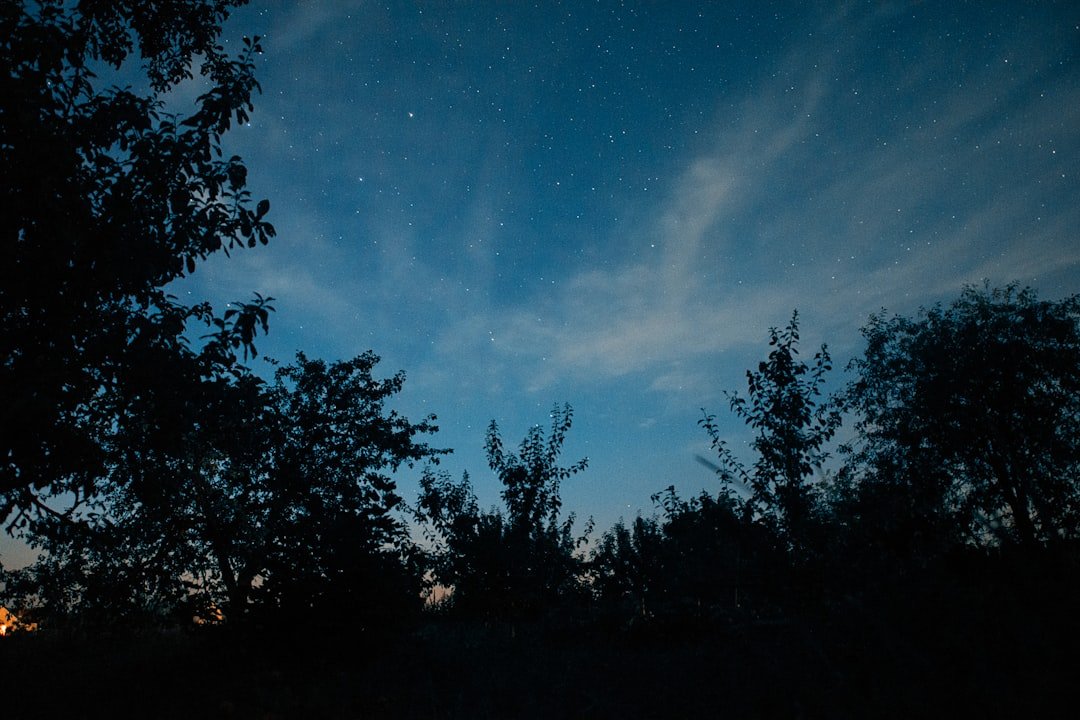
Breaking the Wide-Angle Convention in Nocturnal Photography
When darkness descends and photographers turn their attention skyward, there’s an almost reflexive reach for ultra-wide angle optics. This gravitational pull toward expansive focal lengths makes intuitive sense—particularly when capturing galactic vistas where the Milky Way sprawls magnificently across the celestial dome. Yet this prevailing orthodoxy in night sky image-making obscures equally compelling optical possibilities that merit serious consideration.
The nocturnal photography community would be wise to expand its technical vocabulary beyond the familiar wide-angle paradigm. Three underutilized lens categories deserve rehabilitation from the shadows of relative obscurity, offering sophisticated creative pathways that distinguish accomplished practitioners from those following conventional playbooks.
Exploring Untapped Optical Territories
Photographers committed to pushing their nighttime work beyond standard approaches often discover that constraint breeds innovation. When you deliberately step away from your default optical choice, you’re forced to reconsider compositional fundamentals and reimagine environmental storytelling possibilities.
These three overlooked lens classifications present extraordinary opportunities for visual expression. Rather than defaulting to the gear gathering dust in your camera case, consider deploying these alternatives when creative inspiration feels depleted or when you’re seeking fresh perspectives on familiar subjects. The psychological reset of switching to an unfamiliar focal length frequently catalyzes renewed artistic energy and technical experimentation.
Why Photographers Abandon Conventional Wisdom
The nocturnal imaging community has gravitationally settled into predictable equipment choices, much like how constellations have guided travelers for millennia. While wide-angle perspectives undeniably excel at capturing astronomical grandeur, this singular focus inadvertently narrows the creative aperture available to thoughtful image-makers.
Professional and advanced amateur photographers increasingly recognize that technical mastery requires comfort across diverse optical tools. The most compelling night photography often emerges from uncomfortable territory—those moments when you’re working against your instinctive equipment choices and forced to solve visual problems through deliberate compositional thinking.
The Case for Optical Diversity
Night photography need not remain tethered to established conventions. By deliberately incorporating alternative lens categories into your nocturnal expeditions, you cultivate versatility and resilience as a visual communicator. These tools transform mundane shooting sessions into experimental laboratories where technical limitations paradoxically generate boundless creative possibilities.
The intersection of constraint and creativity has produced some of photography’s most memorable images. When you liberate yourself from the tyranny of single focal-length thinking, the night sky transforms from a familiar subject into endlessly variable territory, offering fresh compositional challenges with each shooting session.
Whether you’re wrestling with compositional challenges or simply craving a creative renaissance, exploring these historically overlooked lens categories represents a worthwhile investment in your photographic evolution. Your camera backpack contains more creative potential than conventional wisdom acknowledges.