Navigating the Sub-$1,500 Camera Market
The secondary camera market has become an excellent hunting ground for photographers and videographers seeking professional-grade equipment without the premium price tag. With used inventory at competitive levels, discovering a versatile imaging tool that fits a $1,500 budget is entirely achievable—provided you understand what matters most for your specific creative applications.
The challenge lies in the remarkable diversity within this price range. Photography enthusiasts, content creators, and hybrid practitioners occupy distinctly different operational requirements. A stills-focused photographer prioritizes sensor performance and ergonomics, while a videographer demands robust codec support and stabilization capabilities. Meanwhile, creators juggling both disciplines need balanced performance across multiple disciplines. Making an uninformed selection in this bracket can represent significant financial waste.
Understanding Your Creative Requirements
Before evaluating specific models, professionals recommend conducting an honest assessment of your workflow. Ask yourself concrete questions: Does your income primarily derive from still photography or motion work? Are you archiving RAW files or streaming directly? Do you require compact portability or can you work with professional-sized bodies?
The distinction between these use cases cannot be overstated. A camera optimized for landscape and portrait photography operates under entirely different design principles than one engineered for documentary filmmaking or event video coverage. Feature prioritization varies dramatically across these disciplines.
The Three-Way Market Split
Within the sub-$1,500 territory, you’ll encounter three distinct ecosystem categories, each with unique strengths and limitations.
The first category encompasses dedicated stills cameras—typically mature DSLR and mirrorless bodies with exceptional autofocus algorithms, high-resolution sensors, and extensive lens ecosystems. These tools excel at continuous shooting, battery longevity, and optical versatility. However, video capabilities often feel secondary to their primary design philosophy.
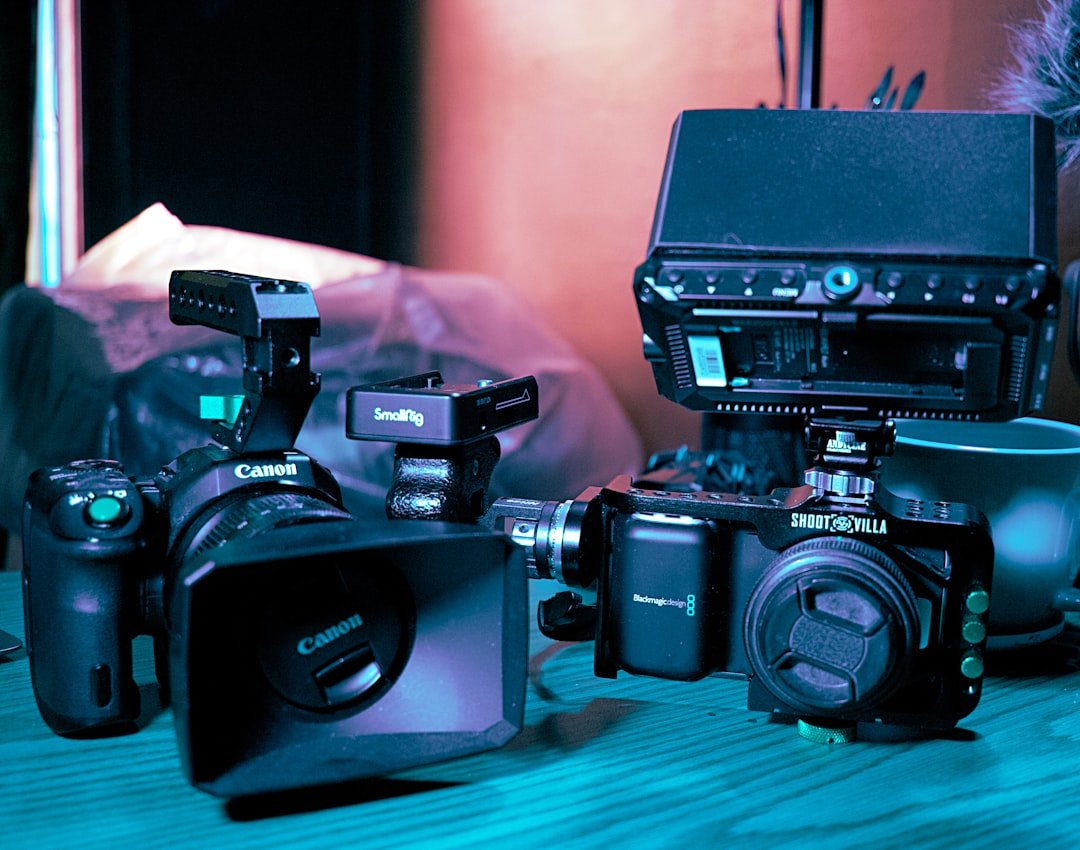
Conversely, cinema-focused models prioritize frame rates, bitrate efficiency, and advanced stabilization systems. These cameras deliver exceptional video output but may feel less intuitive for photography-centric workflows. Battery drain during sustained shooting and different menu architectures can frustrate photographers accustomed to traditional interfaces.
True hybrid platforms attempt bridging these divides, offering competent performance in both domains without dominating either. They represent compromise engineering—neither category specialists, but genuine all-purpose tools suitable for varied creative demands.
Making Your Investment Decision
Selecting within this price tier requires matching equipment capabilities to your documented output requirements. Examine your portfolio from the past twelve months. What percentage represents still images versus video content? Which formats generate revenue or visibility? This historical data provides the most reliable selection framework.
Additionally, consider the lens ecosystem’s depth and availability. A capable body loses considerable value if quality glass options prove scarce or prohibitively expensive. Research third-party mounting options and long-term platform viability before committing.
Finally, evaluate the specific body’s condition metrics if purchasing used. Sensor dust, shutter count, and cosmetic wear impact both operational reliability and future resale value. Request comprehensive testing documentation and verify warranty terms before transfer.
The optimal $1,500 camera isn’t determined by feature lists or marketing positioning—it’s the tool that directly serves your demonstrated creative practice while maintaining financial prudence.