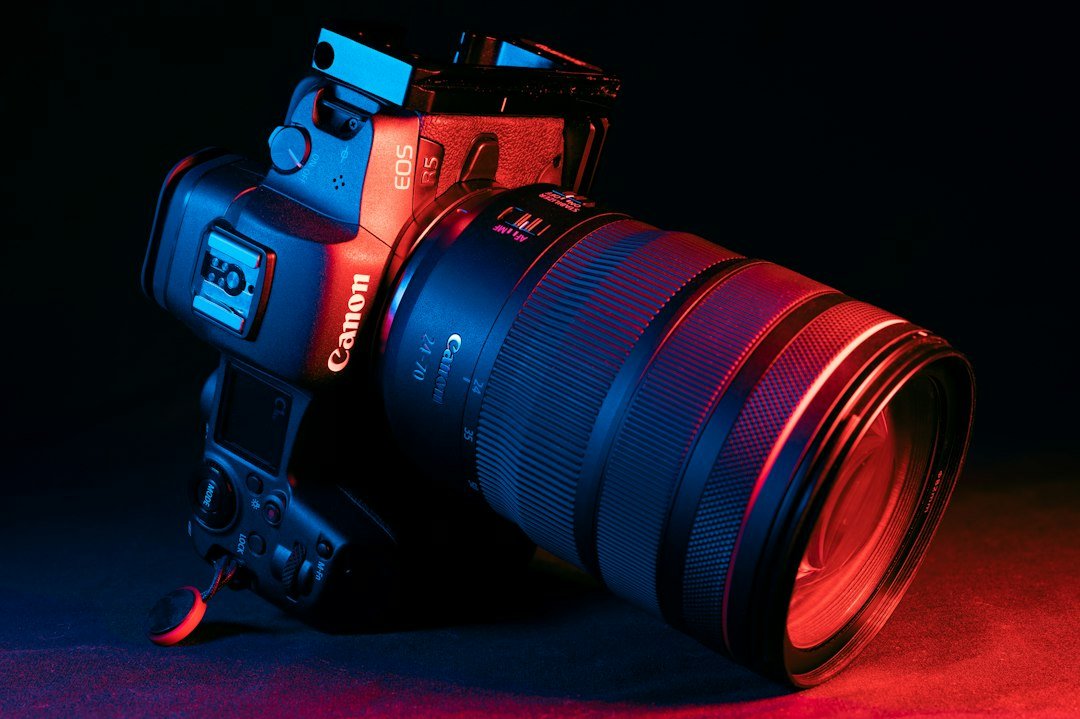
Evaluating Canon’s Mid-Range Mirrorless Workhorse in Professional Environments
After spending a full year in active professional deployment, the Canon EOS R6 Mark III has proven itself to be a versatile performer that challenges traditional boundaries within Canon’s mirrorless ecosystem. Positioned as the company’s mid-tier offering, this camera brings specifications and capabilities that increasingly blur the lines separating it from both premium stills cameras and dedicated cinematography solutions.
For working photographers and videographers who juggle multiple disciplines, the R6 Mark III’s expansive feature set presents a significant strategic consideration. The overlap in functionality with higher-end models like the R5 Mark II, combined with its competitive positioning against Canon’s Cinema EOS range, fundamentally reshapes acquisition and deployment decisions for production teams.
Market Positioning and Hybrid Capabilities
The R6 Mark III occupies an intriguing space within Canon’s RF mount architecture. Rather than serving as a specialized tool for either stills or motion work exclusively, it delivers hybrid functionality that accommodates diverse shooting scenarios. This convergence of capabilities means that working professionals no longer face the traditional binary choice between specialized equipment categories.
For operators maintaining multiple camera bodies in their kit, understanding where the R6 Mark III fits becomes essential for workflow optimization and budget allocation. The question shifts from “What can this camera do?” to “How many of these should I carry, and what complementary bodies justify investment?”
Practical Implications for Professional Workflows
Equipment Strategy: Professionals managing mixed still and motion projects can now accomplish more with fewer bodies. This consolidation affects everything from transportation requirements to maintenance schedules and backup protocols.
Specifications Overlap: The camera’s resolution metrics, autofocus systems, and video codec support increasingly align with more expensive alternatives. This reduces the performance justification that previously drove equipment tiering decisions.
Cinema Integration: Features borrowed from Canon’s Cinema EOS lineup—including advanced color science and codec flexibility—allow the R6 Mark III to compete in contexts traditionally reserved for cinema-specific equipment. This democratization changes how independent creators and smaller production houses approach equipment investment.
Long-Term Value Proposition
After sustained professional use, the R6 Mark III demonstrates the durability and consistency expected from Canon’s reputation. The real-world performance validates its position as a legitimate tool for income-generating work, rather than serving as an aspirational upgrade for enthusiasts.
The strategic implications extend beyond individual purchasing decisions. Production companies now reassess equipment allocation policies, potentially consolidating their mirrorless camera deployments around fewer platform variants while maintaining creative output standards.
The convergence of technologies and specifications represents a meaningful shift in how professional image-makers approach their toolkit. Whether this consolidation benefits individual operators depends entirely on their specific workflow demands and how efficiently they can integrate a single versatile platform into existing processes.