Discovering Photography Opportunities in Mongolia’s Harsh Winter Climate
Mongolia presents a compelling destination for adventurous photographers seeking remote landscapes and diverse wildlife. As one of Earth’s least densely populated nations, this vast territory offers striking geographical formations and fauna that transform dramatically with the seasons. The winter months, in particular, create an entirely different photographic environment, with extreme temperatures fundamentally altering both terrain and animal behavior.
The photographer’s first expedition to Mongolia’s winter landscape occurred in early 2020, when plans to document the Khongor Sand Dunes and the frozen expanses of Khuvsgul Lake were disrupted by the emerging COVID-19 pandemic. After just one week, the decision to depart became unavoidable. A subsequent journey in January 2025 proved far more successful, yielding substantial material for comparison between the two visits.
The Khongor Sand Dunes: Khuvsgul Lake’s Frozen Surface
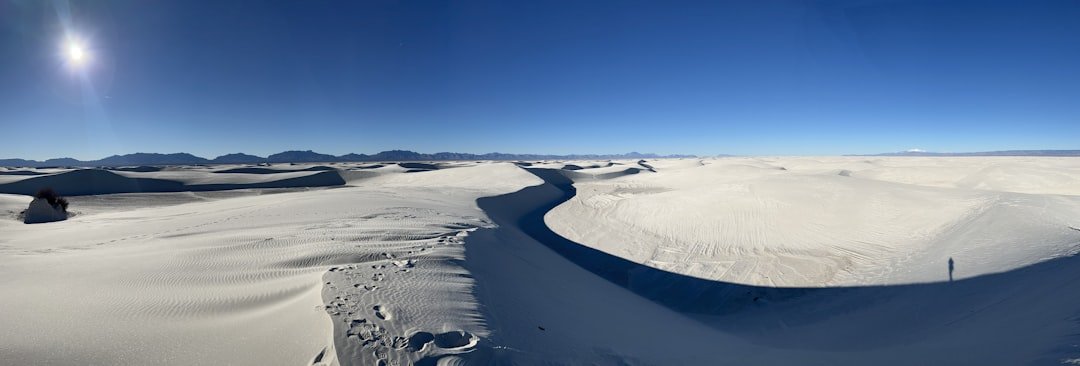
Situated within Gobi Gurvansaikhan National Park and reaching toward the towering Altai Mountains, the Khongor Sand Dunes—colloquially termed the “Singing Sands” for their summer acoustic properties—present unique challenges during cold months. Winter precipitation saturates the dune surfaces with moisture, fundamentally changing their visual character. The anticipated composition of heavily snow-laden dunes proved elusive due to minimal regional precipitation. However, the unexpected advantage emerged when snow-covered mountain peaks provided dramatic backdrops, creating an authentically Mongolian aesthetic that combined barren dunes with majestic alpine scenery.
Technical execution involved both terrestrial and aerial perspectives, utilizing full-frame DSLR platforms alongside drone technology. The Canon 5D Mark IV paired with telephoto optics captured foreground detail, while DJI systems provided compositional context and broader environmental scope.
Khuvsgul Lake: Nature’s Frozen Canvas
The journey’s centerpiece proved to be Khuvsgul Lake, an ancient glacial body spanning over two million years of geological history. Located in northern Mongolia adjacent to the Russian border, this pristine water system freezes sufficiently during winter to support vehicular traffic. Wind forces and subsurface currents create dynamic ice movement, generating intricate fracture patterns and geometric formations across the frozen surface—visual phenomena perfectly suited to aerial documentation.
The lake’s rocky islands intensify these natural patterns. As accumulated ice meets shorelines, it shatters into chaotic arrangements of translucent shards and vertical slabs, establishing natural foreground elements ideal for landscape composition. The resulting ice formations offered exceptional opportunities for both environmental portraiture and abstract interpretation.
Drone platforms, particularly the DJI Mavic 3 Classic and Mavic 2 Pro, revealed the lake’s frozen surface in extraordinary detail. Symmetrical crack patterns and ice debris configurations minimized compositional deliberation, as the landscape essentially dictated frame geometry. Ground-level photography employed Canon EOS R5 Mark II mirrorless systems with professional-grade optics, capturing three-dimensional ice topography with remarkable depth and texture.
Technical Considerations for Extreme Climate Photography
Shooting in Mongolia’s severe winter demands careful equipment management. ISO settings remained conservative (100-200 range) despite limited daylight, preserving image clarity through strategic aperture adjustments and shutter speed optimization. The combination of bright snow reflection and high-altitude sun position enabled maintaining clean exposures while achieving adequate depth-of-field for landscape documentation.
Subsequent installments will explore additional Mongolian locations and provide comprehensive technical analysis of the gear and methodologies employed throughout these challenging expeditions.