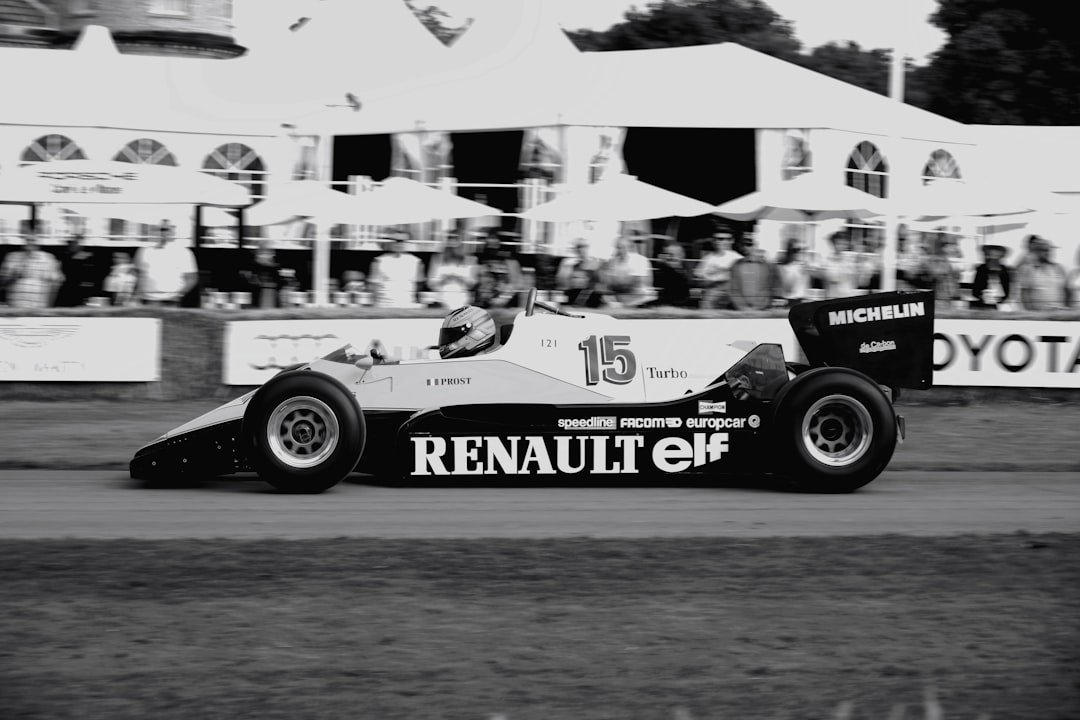
Legendary 1980s Motor Racing Photographer Realizes Dream of Fine Art Prints
In a touching tale of digital-age intervention, a seasoned motorsport photographer whose career spanned the golden era of Formula 1 racing has achieved a long-held ambition: witnessing his archival work transformed into museum-quality fine art prints. The photographer’s son, a content creator with a substantial online following, played an instrumental role in bringing these historical negatives from obscurity into the public eye.
The photographer’s portfolio captures a pivotal moment in competitive motorsport history, with particularly remarkable documentation of Brazilian racing icon Ayrton Senna during his most formative seasons. These images represent more than mere snapshots—they constitute a visual chronicle of one of motorsport’s most compelling figures at a time when photojournalism in racing was experiencing significant technical and creative advancement.
Bridging Generations Through Visual Storytelling
What makes this narrative compelling is the convergence of analog-era craftsmanship with contemporary digital platforms. For decades, these negatives remained largely unseen outside of archival collections and occasional editorial publications. The intervention of the photographer’s digitally-native offspring opened unexpected pathways to recognition and monetization that simply didn’t exist during the original photographer’s active years.
The journey from film negative to exhibition-worthy print represents a significant shift in how professional photographers are rediscovering and recontextualizing their work. Modern printing technologies—including giclée processes and archival substrates—have enabled photographers to realize aesthetic ambitions that were previously constrained by production costs and distribution limitations.
The Historical Significance of 1980s Racing Photography
The 1980s represented a transformative decade for motorsport documentation. Photographers working during this era operated within distinct constraints: film stock limitations, mechanical camera bodies with fixed capabilities, and the physical demands of trackside positioning. Yet these limitations often produced images with distinctive character and compositional discipline that digital-era photographers frequently attempt to emulate.
Senna’s emergence during this period coincided with increasingly sophisticated sports photography techniques. The combination of a revolutionary racing talent and skilled photojournalistic documentation created images that transcend their original journalistic purpose, achieving status as legitimate fine art.
Recognition in the Digital Era
This photographer’s experience reflects a broader trend within the profession: the revaluation of historical photographic work through social media amplification and online community engagement. Content creators with established audiences possess unique leverage to resurrect forgotten archives and present them to demographics that might otherwise never encounter such materials.
The decision to produce limited-edition gallery prints elevates these images beyond their documentary origins, positioning them as collectible artworks. This transition—from photojournalism to fine art market—represents both validation and a form of professional redemption for photographers whose contributions may have been underappreciated during their original publication.
The photographer’s story ultimately demonstrates how technology, family collaboration, and evolving market dynamics can intersect to grant creators the recognition that eluded them for decades. For archivists and photography historians, it serves as a reminder to examine forgotten film collections with renewed attention to artistic merit and historical value.