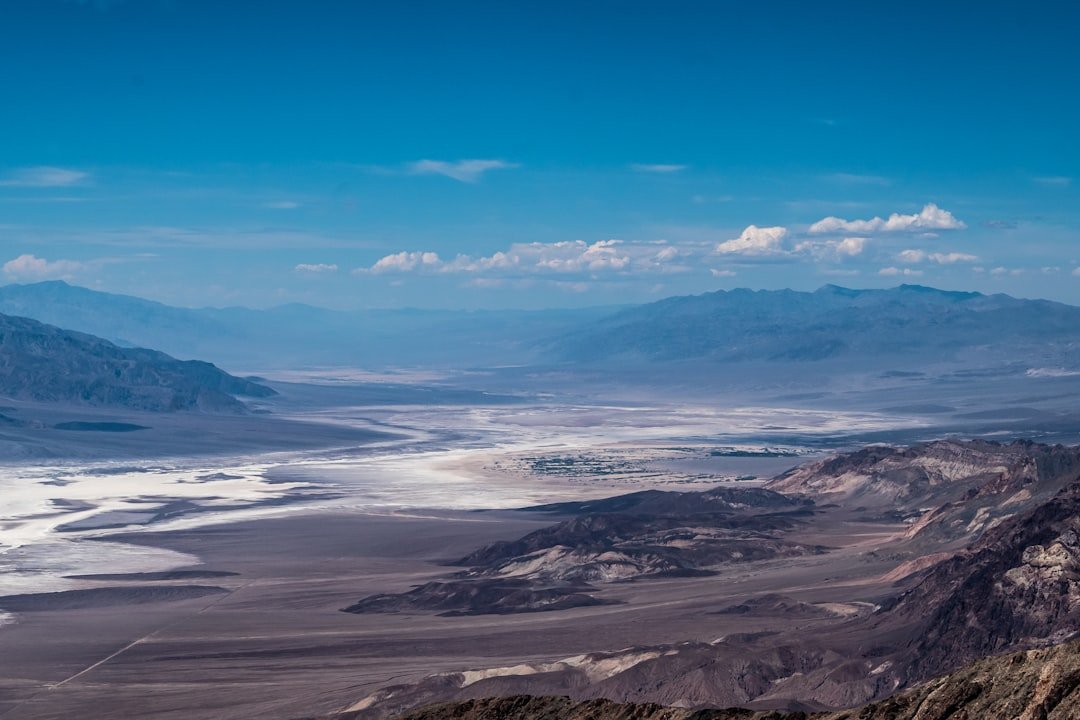
A Thousand-Mile Trek to Capture Nature’s Fleeting Masterpiece
When nature’s most spectacular light shows emerge, serious photographers understand the urgency to document them before they vanish. Such was the case for acclaimed landscape photographer Elliot McGucken, who recently undertook an ambitious cross-country expedition spanning approximately 1,000 miles to witness and capture an extraordinary wildflower superbloom unfolding across Death Valley’s stark terrain.
The timing couldn’t have been more critical. Death Valley, one of North America’s most inhospitable yet visually dramatic environments, had not experienced such a prolific wildflower display in a full decade. For landscape photographers, these rare botanical events represent once-in-a-generation opportunities to create compelling imagery that showcases the desert’s hidden majesty.
Chasing the Light Across the Desert
McGucken’s journey began in Yellowstone, where he had been documenting the dynamic geothermal landscapes of the Greater Yellowstone Ecosystem. Recognizing the significance of Death Valley’s superbloom announcement, he made the strategic decision to redirect his creative pursuits southward toward California’s legendary badlands.
The superbloom phenomenon occurs when specific environmental conditions align perfectly—sufficient winter rainfall followed by ideal temperature fluctuations create the precise catalyst for dormant wildflower seeds to germinate en masse. These conditions rarely converge in Death Valley’s famously arid climate, making this occurrence particularly newsworthy within the photography community.
The Photographer’s Perspective
For landscape photographers specializing in desert environments, superblooms present unique technical and compositional challenges. The interplay between Death Valley’s monochromatic geology and vibrant floral color palettes creates striking visual contrasts. Photographers must carefully consider exposure metering, dynamic range management, and optimal timing throughout the day to capture the most compelling imagery.
The low-angle morning and evening light characteristic of desert photography becomes especially crucial when documenting wildflower displays. The warm, directional illumination during golden hour enhances color saturation while creating dimensional shadows across the flower fields—elements essential for compelling landscape compositions.
A Rare Natural Event
The significance of this superbloom extends beyond individual photographers’ pursuits. Such displays serve as important indicators of ecological health and climate patterns affecting desert regions. The ten-year interval between major blooms underscores the exceptional nature of current conditions and the importance of documenting this phenomenon thoroughly.
McGucken’s decision to undertake this extensive drive reflects the dedication inherent in serious landscape photography. These professionals often travel vast distances, endure challenging environmental conditions, and invest considerable time and resources pursuing elusive natural occurrences. The resulting imagery not only creates compelling portfolio work but also raises awareness about dynamic desert ecosystems.
As wildflower superblooms become increasingly variable due to climate shifts, photographers like McGucken serve as visual chroniclers of these remarkable natural events. Their work preserves records of Earth’s dynamic beauty while inspiring broader appreciation for wilderness conservation and environmental stewardship.