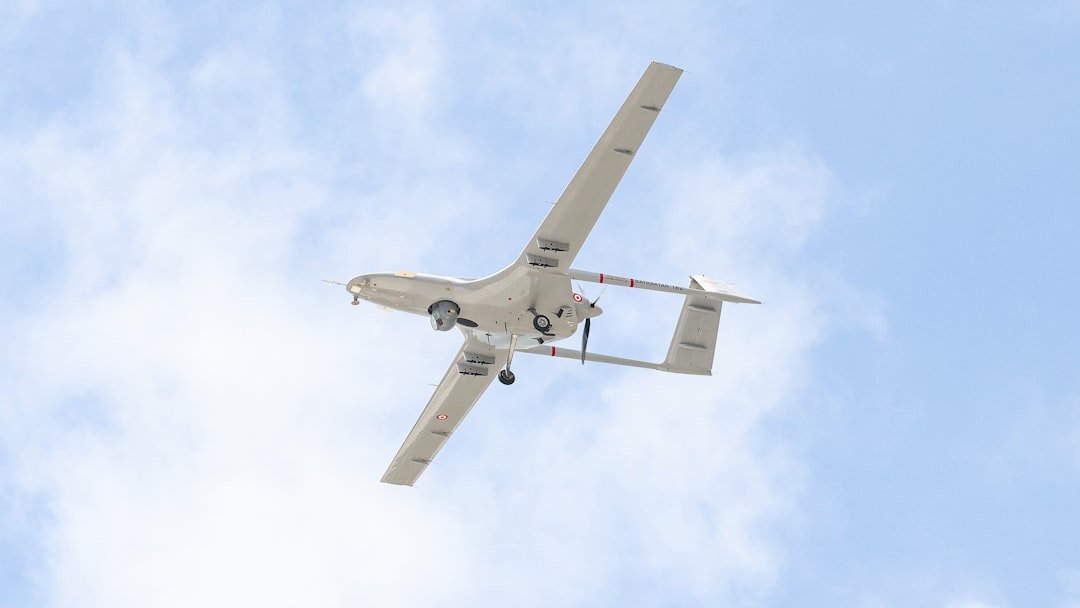
Regulatory Shift Impacts Drone Photography and Commercial Operations
In a significant regulatory development announced on Monday evening, the Federal Communications Commission (FCC) has designated DJI as a restricted manufacturer, placing the Chinese drone manufacturer on its official Covered List. This designation effectively prohibits the importation and sale of new DJI unmanned aircraft systems throughout United States territory.
The decision represents a substantial shift in the regulatory landscape for aerial imaging professionals and recreational drone operators who have relied heavily on DJI’s product ecosystem. The manufacturer, which has maintained dominant market share in both consumer and professional segments, now faces strict import limitations that will reshape the competitive dynamics of the North American drone market.
Impact on the Photography and Production Industries
For cinematographers, real estate photographers, and drone-based content creators, this regulatory action introduces considerable uncertainty. DJI’s product lines—ranging from compact consumer models to sophisticated professional platforms capable of 8K video capture—have become industry standards across numerous production workflows. The prohibition on new units entering the market forces professionals to evaluate alternative platforms and potentially revise equipment strategies.
Existing DJI equipment owners may continue operating their current systems, though long-term support, firmware updates, and replacement parts could face complications. This situation mirrors previous technology trade disputes and warrants careful attention from anyone invested in drone-based production capabilities.
DJI’s Response and Market Implications
Despite the restrictive action, DJI has publicly maintained its commitment to serving American consumers and businesses. The manufacturer has indicated its intention to navigate the regulatory environment and explore potential pathways that might address government concerns regarding security and foreign technology dependencies.
The decision reflects broader geopolitical considerations surrounding foreign-manufactured technology and data security protocols. Government agencies have expressed concerns regarding potential vulnerabilities associated with unmanned systems manufactured overseas, particularly regarding flight data transmission and operational surveillance capabilities.
Alternative Solutions Emerging
The regulatory announcement has accelerated interest in domestically-manufactured and allied-nation drone platforms. Manufacturers including Auterion, Skydio, and established defense contractors are positioning themselves to capture market share previously occupied by restricted imports. These alternatives offer varying capabilities, price points, and performance characteristics that will require careful evaluation by professional operators.
Photography equipment retailers and rental houses are reassessing inventory strategies, with many pivoting toward approved platforms that can guarantee long-term legality and manufacturer support within United States markets.
Looking Ahead
The situation remains fluid, with potential for regulatory modification or industry adaptation strategies. Professionals should monitor FCC announcements and manufacturer statements closely, particularly regarding approved alternatives and transition timelines. Organizations relying on drone-based documentation and imagery production may need to expedite equipment decisions or explore rental arrangements for immediate project requirements.
This regulatory development underscores the intersection of international trade policy, technology security, and creative industries—illustrating how government decisions can rapidly transform professional equipment ecosystems and operational frameworks.