Industry Reset: From Winter Games to Trade Shows
February represents a pivotal moment in the photography calendar. After the technology-heavy January showcase season, the industry typically regains its footing and begins unveiling the innovations and products that will define the coming months. The second month of 2026 proved no exception, delivering landmark developments across multiple sectors of the imaging world.
CP+ Returns to Yokohama
The prestigious Camera and Photo Imaging Show made its anticipated return to Japan, drawing manufacturers, retailers, and enthusiasts from around the globe. This biennial gathering in Yokohama served as a crucial platform for camera makers and accessory producers to demonstrate their latest breakthroughs. The expo’s return signified the industry’s resilience and commitment to in-person innovation showcases, even as digital presentations have become increasingly common.
The Olympic Moment
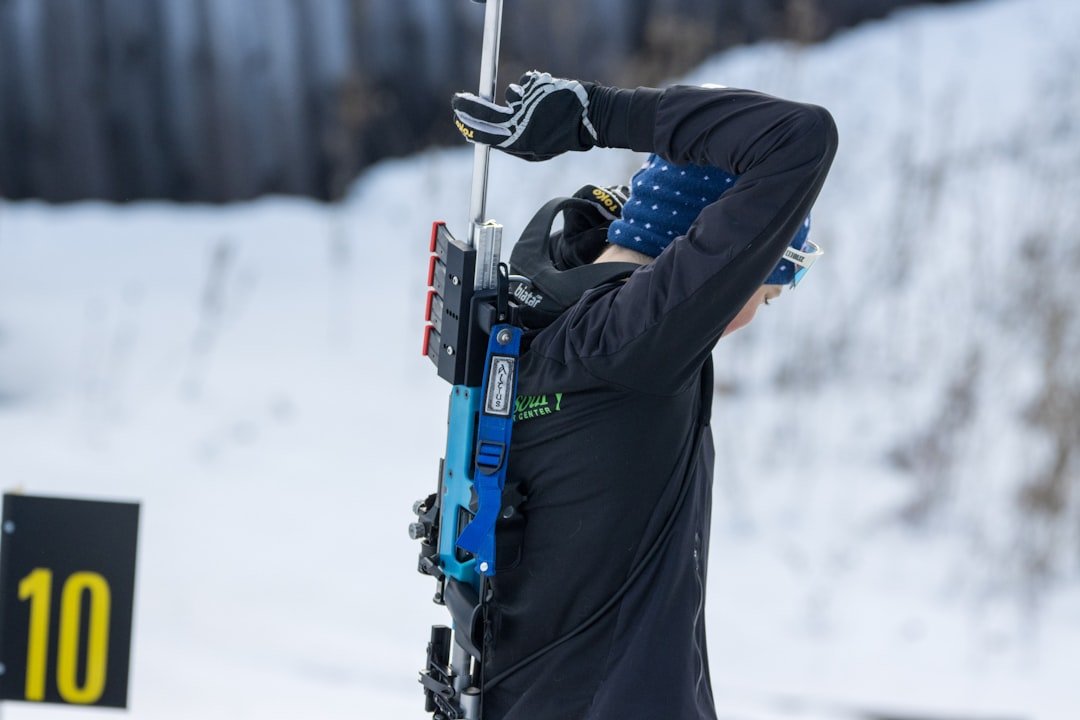
The Milan Cortina Winter Olympics concluded during this period, providing photographers with one of the year’s most compelling assignment opportunities. Sports photographers and media outlets deployed cutting-edge equipment to capture athletes at their peak, showcasing how professional imaging technology continues to evolve to meet the demands of fast-action coverage. The games represented a masterclass in real-world camera performance under extreme conditions.
Optics Innovation Across the Board
February witnessed an unprecedented surge in lens announcements from both established manufacturers with decades of heritage and nimble newcomers disrupting the market. These optical advancements reflected ongoing competition to deliver superior image quality, faster autofocus systems, and more versatile focal length options. Whether through advanced coatings, refined manufacturing processes, or novel designs, lens makers demonstrated their commitment to pushing optical performance boundaries.
The AI Reckoning Intensifies
Perhaps the most significant undercurrent running through February’s industry developments was the ongoing tension between artificial intelligence-generated imagery and traditional photography. This collision has profound implications for working photographers whose income and professional identity rest on their ability to capture authentic moments. The debate transcends mere technology—it touches on questions of artistic integrity, copyright, fair compensation, and the very definition of photography itself.
What This Means Going Forward
These February developments collectively sketch the trajectory of modern photography. The convergence of hardware innovation, major sporting events demanding technical excellence, and the philosophical challenge posed by synthetic imagery creates a complex landscape. Manufacturers must balance delivering tools that meet professional demands while addressing the authenticity concerns that define the industry’s soul.
For photographers, whether professionals or enthusiasts, this moment offers both opportunity and uncertainty. The new lenses and camera systems unveiled showcase genuine technical progress. Yet the looming questions about AI’s role in visual creation demand that the community grapple with what photography means in an era when anyone can generate convincing images without picking up a camera.
February 2026 will be remembered as the month when the photography industry’s future truly began taking recognizable shape—for better or worse.