Defying Traditional Film Processing Timelines
The analog photography community has long accepted a fundamental constraint: patience. Whether working with 35mm or medium format film stock, photographers typically endure extended wait periods before viewing their captured images, with turnaround times ranging from days to months depending on lab availability and workload.
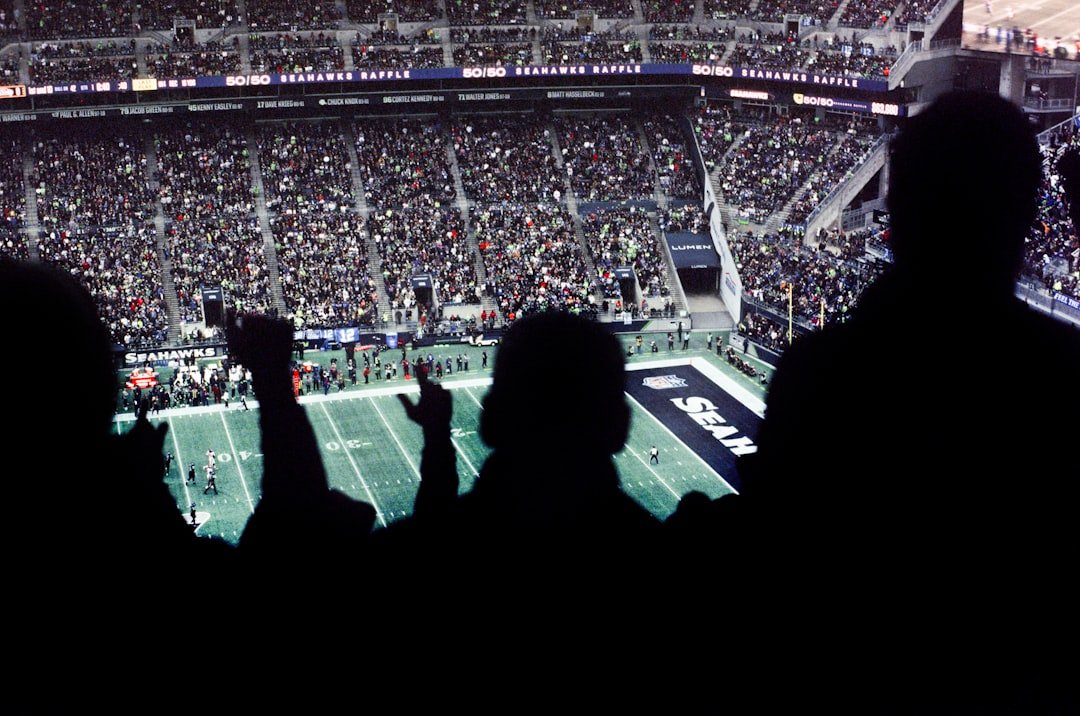
Miles Myerscough-Harris of the Expired Film Club has recently challenged this established workflow by accomplishing what many in the film photography sphere consider nearly impossible—capturing professional-grade imagery at an NFL stadium on analog film and delivering finished photographs to his social media audience before the final whistle sounded.
A Remarkable Achievement in Speed and Workflow
This feat represents a significant departure from conventional film photography practice. Traditional analog work involves multiple sequential stages: exposure, film development, scanning or printing, post-processing, and finally publication. Each step typically requires considerable time investment, making real-time content delivery virtually incompatible with film-based capture.
Myerscough-Harris’s accomplishment highlights an intriguing intersection of technical skill, logistical planning, and creative problem-solving. By orchestrating a streamlined workflow that compressed the standard film-to-publication timeline into a matter of hours, he demonstrated that contemporary content demands need not force photographers away from the aesthetic qualities and technical disciplines inherent to film photography.
The Contemporary Value of Film in Sports Photography
While digital imaging has become the dominant technology in professional sports documentation, a growing segment of visual artists continues exploring film’s distinctive characteristics. The medium offers particular aesthetic advantages—unique color rendition, tonal gradation, and an organic quality that resonates with audiences fatigued by the homogeneous appearance of digital files.
Sports venues present exceptional technical challenges for any photographer, film or digital. Rapid subject movement, variable lighting conditions, and demanding composition requirements under time pressure test practitioners regardless of their chosen medium. Successfully navigating these obstacles with analog equipment requires exceptional technical proficiency and deliberate methodology.
Implications for the Film Photography Community
Myerscough-Harris’s accomplishment carries significance beyond its immediate novelty value. It suggests that committed practitioners can effectively integrate film photography into contemporary content creation frameworks when armed with appropriate resources and determination. The project potentially inspires other analog enthusiasts to reconsider perceived limitations of their medium.
The Expired Film Club’s approach also raises important conversations about the relationship between technology and creative expression. Rather than accepting that modern deadlines necessitate digital capture, this photographer’s work argues for the continued viability of analog methods when coupled with efficient operational systems.
Looking Forward
As audiences increasingly seek authentic visual narratives and distinctive aesthetic approaches, film photography’s niche within professional imaging appears secure. Demonstrations of capability like Myerscough-Harris’s NFL coverage project reinforce that technical constraints need not undermine artistic merit or professional relevance. For the film photography community, such achievements validate ongoing commitment to a medium that, despite its apparent anachronism, continues proving its value in an increasingly digital landscape.