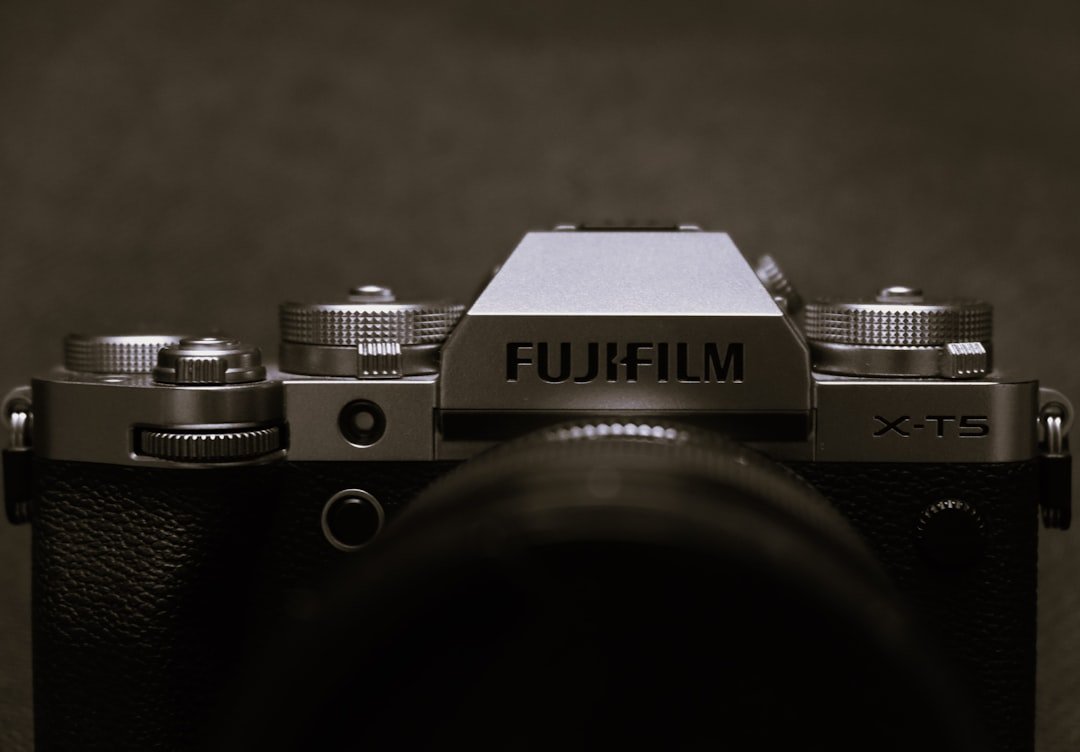
Fujifilm’s Instant Photography Mastery Takes a Creative Turn
Fujifilm has firmly established itself as the commanding force in the instant imaging sector, with Instax serving as a cornerstone revenue driver and lifestyle accessory. The brand’s ubiquity at celebrations, social gatherings, and seasonal events underscores its cultural penetration within consumer photography circles.
The Instax Mini Evo Cinema represents an intriguing evolution in how manufacturers approach the instant format. Rather than merely refining existing technology, Fujifilm has engineered a device that bridges the gap between nostalgic analog capture and contemporary digital convenience—a positioning that warrants serious consideration from both casual shooters and photography enthusiasts.
Bridging Digital and Analog Workflows
What distinguishes this model from its predecessors is its multifunctional architecture. The device transcends traditional instant-only constraints by incorporating digital capture capabilities alongside physical film output. This hybrid methodology appeals to users who want tangible prints without surrendering the flexibility of digital asset management.
The Cinema variant specifically emphasizes creative control, offering expanded lens simulation options and enhanced exposure adjustment mechanisms. For photographers accustomed to DSLR or mirrorless workflows, these features provide a more intuitive shooting experience while maintaining the distinctive aesthetic qualities that define instant photography’s cultural appeal.
Technical Implementation and User Experience
The engineering demonstrates thoughtful consideration of practical usability. The interface balances simplicity with feature depth—essential for a device occupying the intersection between consumer-grade and prosumer markets. Users can navigate intuitive menus without requiring extensive technical background knowledge, yet sufficient manual controls exist for those seeking creative autonomy.
Print quality metrics align with Instax standards, delivering the characteristic color saturation and tonal characteristics that have defined the product line’s aesthetic signature. Exposure latitude proves adequate for typical ambient and artificial lighting scenarios, though backlighting situations benefit from the adjustable exposure compensation feature.
Market Positioning and Cultural Relevance
Within the broader context of contemporary photography trends, this device captures something increasingly valuable: authenticity expressed through analog mediums. The resurgence of film photography and instant imaging reflects deeper consumer desires for tactile engagement and intentional creative processes, contrasting with algorithmic image generation and infinite digital libraries.
Fujifilm’s strategic expansion of the Instax ecosystem recognizes this cultural momentum. By introducing models with enhanced creative capabilities, the manufacturer positions itself to capture users graduating from novelty-focused impulse purchases toward more intentional photographic practice.
Verdict for Discerning Photographers
The Instax Mini Evo Cinema warrants consideration beyond superficial novelty assessment. Whether evaluating this device as a primary creative tool or complementary system to existing digital equipment, its thoughtful engineering and feature-rich implementation deliver genuine functional value. For those seeking accessible instant gratification combined with photographic flexibility, this offering represents a legitimately compelling option within its category.