Revolutionary Eyewear Merges Computational Photography with Wearable Technology
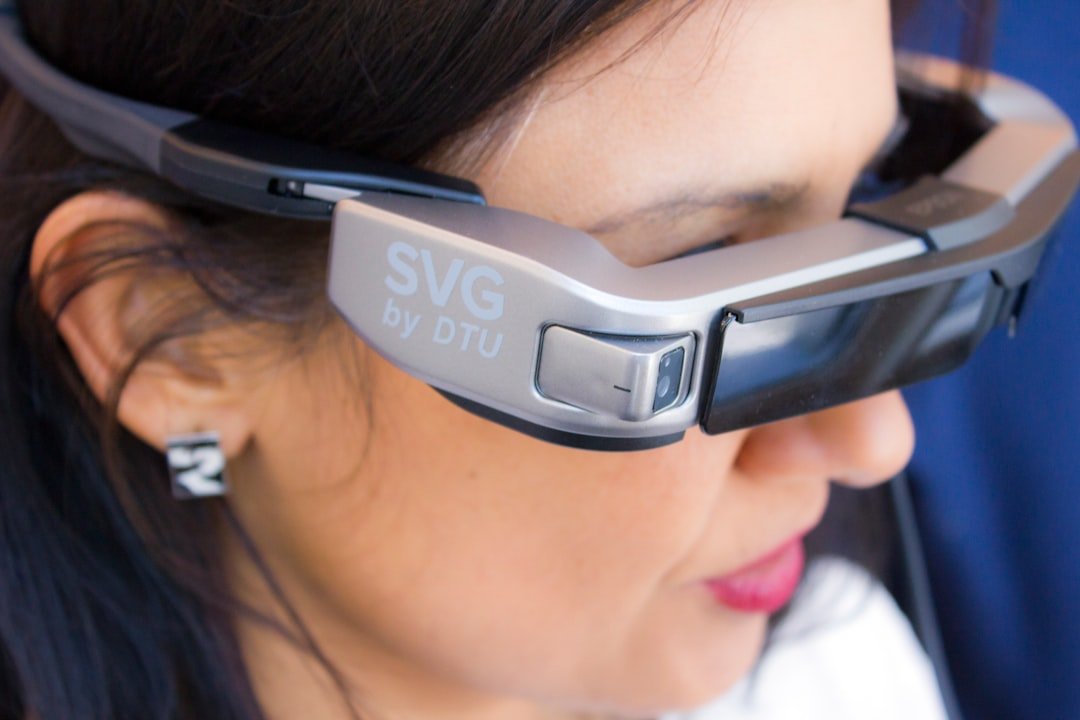
In a striking demonstration of artificial intelligence’s expanding role in imaging technology, Google unveiled an experimental smart eyewear device capable of performing sophisticated photo retouching instantaneously. The prototype represents a significant convergence between wearable computing and machine learning-driven visual processing—a development that could reshape how photographers and casual users interact with image capture and modification.
The glasses function as a self-contained imaging system, capturing photographs through integrated optics while simultaneously deploying advanced algorithms to enhance and refine the captured content in real time. This represents a departure from traditional workflows where photographers typically capture images first, then apply editing techniques using dedicated software during post-production phases.
Implications for Photography Professionals and Enthusiasts
The integration of AI-assisted editing directly into the eyewear hardware presents intriguing possibilities for the photography industry. Rather than relying on external processing or cloud-based services, the device handles enhancement operations internally, potentially reducing latency and offering users immediate visual feedback. For photojournalists, event photographers, and documentary creators, this capability could streamline capture-to-publication timelines significantly.
The technology leverages Google’s substantial computational photography expertise, developed through years of smartphone camera refinement. Features such as intelligent exposure correction, color grading optimization, and dynamic range enhancement can now occur instantaneously rather than requiring post-processing sessions. This represents a paradigm shift from traditional capture-and-edit methodologies that have dominated professional photography workflows.
Technical Architecture and Capabilities
While detailed specifications remain limited, the prototype reportedly employs sophisticated neural networks to analyze image data immediately upon capture. The glasses can apparently recognize compositional elements and apply contextual enhancements—adjusting parameters based on detected subjects, lighting conditions, and scene characteristics. This contextual awareness distinguishes the technology from basic automatic enhancement tools common in smartphone applications.
The eyewear format introduces unique ergonomic and practical considerations. Unlike traditional camera interfaces, users experience an unobstructed view of the scene while simultaneously accessing editing capabilities through an integrated interface. This hands-free operation could prove particularly valuable in situations where manipulating traditional camera equipment proves impractical or obstructive.
Future Trajectory and Industry Considerations
Google’s prototype signals broader industry momentum toward embedded AI processing in imaging devices. As wearable technology becomes increasingly sophisticated, the marriage of capture and computational enhancement within portable eyewear represents a logical technological progression. However, questions regarding image quality, processing accuracy, and user control over automated adjustments remain relevant considerations for widespread adoption.
The demonstration underscores how artificial intelligence continues penetrating deeper into the photographic workflow. Rather than viewing AI as purely a post-production tool, manufacturers are now exploring how machine learning can enhance the capture experience itself. This integrated approach could democratize advanced editing capabilities, making professional-quality image enhancement accessible to non-specialists.
While still in prototype stages, Google’s smart glasses technology exemplifies the innovative directions computational imaging is heading. The convergence of wearable computing, artificial intelligence, and photographic technology promises transformative possibilities for both professional creators and everyday users seeking improved image quality without complex editing procedures.