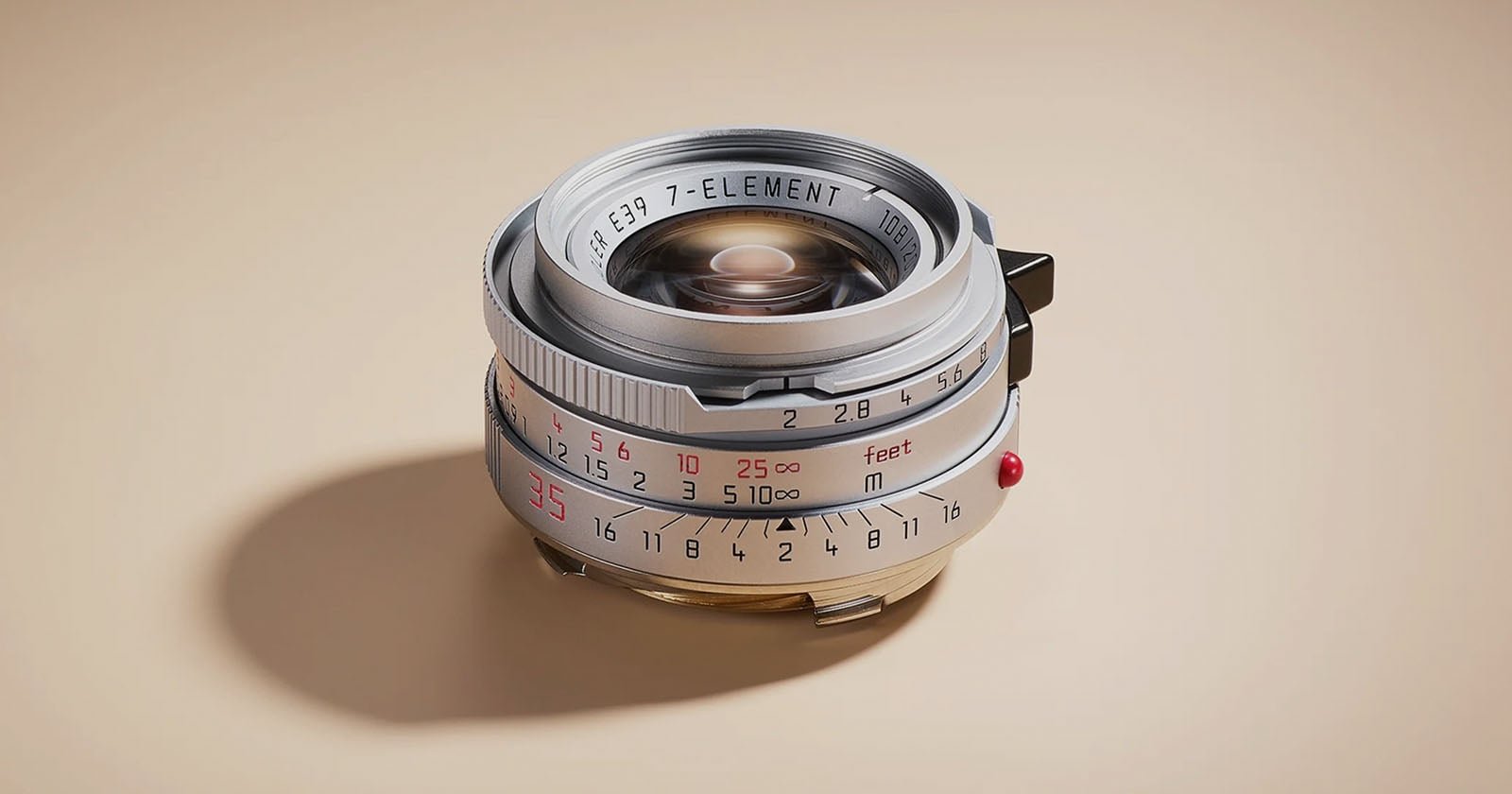
Chinese Optical Manufacturer Mandler Achieves Rapid Market Success with Affordable Summicron Alternative
The emerging Chinese optics company Mandler has made waves in the photography equipment sector with an ambitious debut that has captured the attention of both enthusiasts and professionals alike. The company’s inaugural offering, unveiled last May, represents a thoughtfully engineered homage to one of the most revered optical designs in the history of rangefinder photography.
A Modern Take on a Legendary Design
The Mandler 35mm f/2 optical formula, marketed under the designation “7 Elements,” seeks to honor the optical principles established by Leica’s celebrated Summicron 35mm f/2 lens—a benchmark standard that has influenced lens design for generations. Rather than attempting radical innovation, Mandler has focused on delivering optical performance that channels the character of this classic design while introducing it to a broader audience through strategic pricing.
At approximately $350, the Mandler offering positions itself at a fraction of the investment required for vintage Summicron optics or contemporary alternatives from established manufacturers. This aggressive retail strategy reflects the company’s apparent commitment to democratizing access to high-quality optical engineering traditionally associated with premium price points.
Market Response Exceeds Expectations
When the lens became available for purchase this week, the response from the market was nothing short of remarkable. Initial inventory was exhausted within hours of the product launch, suggesting considerable pent-up demand for affordable alternatives to established optical solutions. This rapid sell-through indicates that consumers actively seek value-oriented options without compromising on optical quality and craftsmanship.
Industry Implications
The swift commercial success of Mandler’s debut offering carries significant implications for the photography equipment landscape. The event underscores growing consumer interest in specialized optical designs at accessible price points—particularly among photographers seeking to build versatile lens collections without substantial financial commitment. Additionally, it reflects the continuing appeal of rangefinder-compatible optics within dedicated photography communities.
The manufacturer’s decision to channel the optical heritage of a revered classic rather than pursue entirely original design approaches suggests a clear understanding of market preferences. Photography enthusiasts frequently gravitate toward lenses with proven optical lineages and established reputations, and Mandler’s strategy acknowledges this reality.
Looking Ahead
With their inaugural product already generating considerable market momentum, industry observers will be watching closely to determine whether Mandler can maintain inventory levels to meet ongoing demand. The company’s ability to scale production while preserving optical quality standards will largely determine their trajectory within the competitive optics sector. Should they successfully navigate these operational challenges, Mandler may well establish itself as a meaningful alternative for photographers seeking accessible pathways to classic optical designs.
The lens availability situation remains fluid, with reports suggesting that additional stock may be forthcoming, though confirmation from the manufacturer is still pending. Photographers interested in securing this option are advised to monitor official channels for restocking announcements.