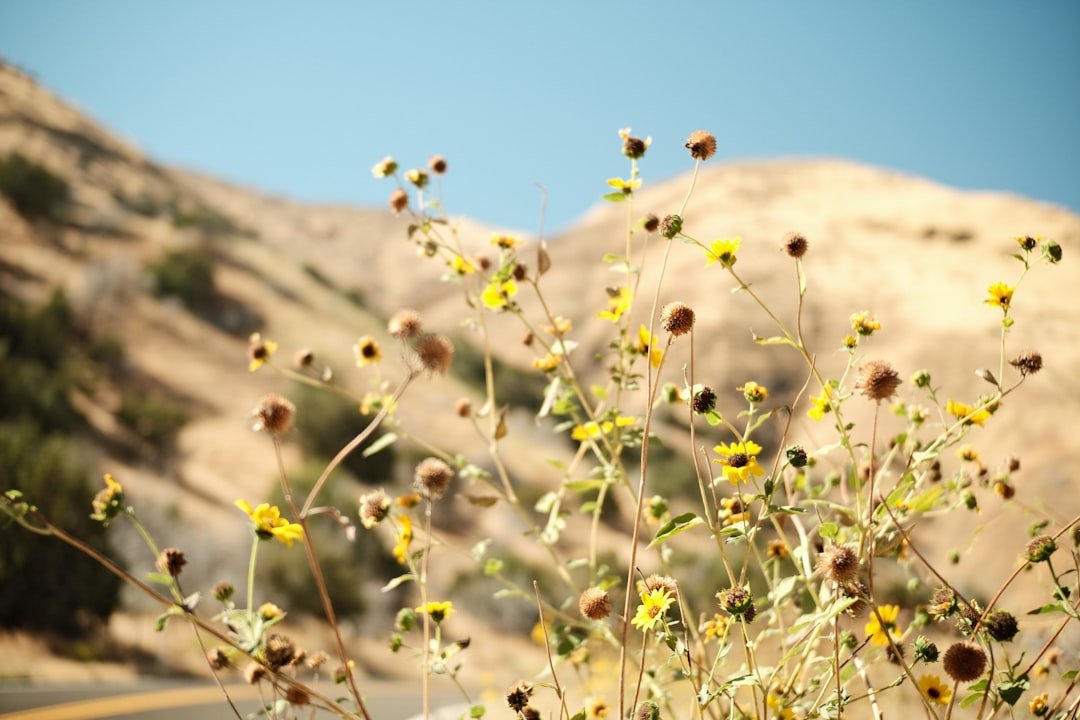
Seizing the Rare Window: Why Superblooms Matter to Photographers
Across the arid landscapes of the American Southwest, a remarkable natural phenomenon emerges roughly once every decade—a spectacular explosion of wildflower color that transforms parched terrain into a vibrant botanical showcase. For visual artists and photography enthusiasts, these temporary transformations represent an unparalleled creative opportunity, though one constrained by a narrow timeframe and unpredictable conditions.
The allure of documenting these ephemeral displays lies in their unique challenges. Photographers must navigate the tension between capturing intimate botanical details and conveying the overwhelming scale of nature’s handiwork across sprawling desert vistas. This duality demands both technical precision and artistic vision.
Strategic Planning: The Foundation of Success
Preparation separates successful shoots from missed opportunities during peak bloom seasons. Begin by monitoring regional flower forecasts and consulting with local botanical institutions and park services. Social media platforms and dedicated wildflower tracking websites provide real-time updates on bloom progression across different elevation zones and microclimates.
Timing proves critical—conditions shift rapidly as temperatures fluctuate and moisture availability changes. Morning light offers softer luminosity ideal for preserving delicate petal tones, while golden hour photography accentuates textural elements and creates dimensional depth across expansive fields.
Technical Considerations and Equipment Strategy
Successful wildflower documentation requires thoughtful gear selection. Telephoto lenses enable isolation of individual specimens and color-dense clusters against softer backgrounds, while wide-angle optics convey environmental context and landscape grandeur. Macro capabilities prove invaluable for revealing intricate stamen structures and petal variations that communicate botanical diversity.
Tripod stability becomes essential when working with extended exposures in variable wind conditions common to desert environments. Graduated neutral density filters help manage the intense contrast between sky and foreground while maintaining color saturation across the tonal range.
Compositional Framework and Visual Storytelling
Compelling wildflower imagery moves beyond simple documentation. Layer visual elements by positioning specimen clusters at varying distances, creating compositional depth that guides viewer attention progressively through the frame. Leading lines formed by natural growth patterns or landscape features enhance spatial awareness.
Consider the scientific and ecological narrative underlying these blooms. Understanding plant species identification, bloom succession patterns, and environmental factors contributing to superblooms enriches photographic context and allows more intentional subject selection.
Navigating Environmental Sensitivity
Responsible practice requires balancing photographic ambitions with ecological stewardship. Adhere strictly to established trails and protected area regulations. Avoid trampling vegetation or disturbing fragile soil crusts that support desert ecosystems. Many celebrated bloom locations have experienced damage from overvisitation—sustainable practices ensure these destinations remain viable for future photographers and botanical communities.
Conclusion
Documenting desert superblooms demands patience, technical proficiency, and genuine respect for natural systems. By combining strategic preparation, appropriate equipment choices, and thoughtful composition, photographers can create compelling visual narratives that honor both the aesthetic magnificence and ecological significance of these rare celestial-like events in the arid West.