Reclaiming Creative Control Over Motion Rendering
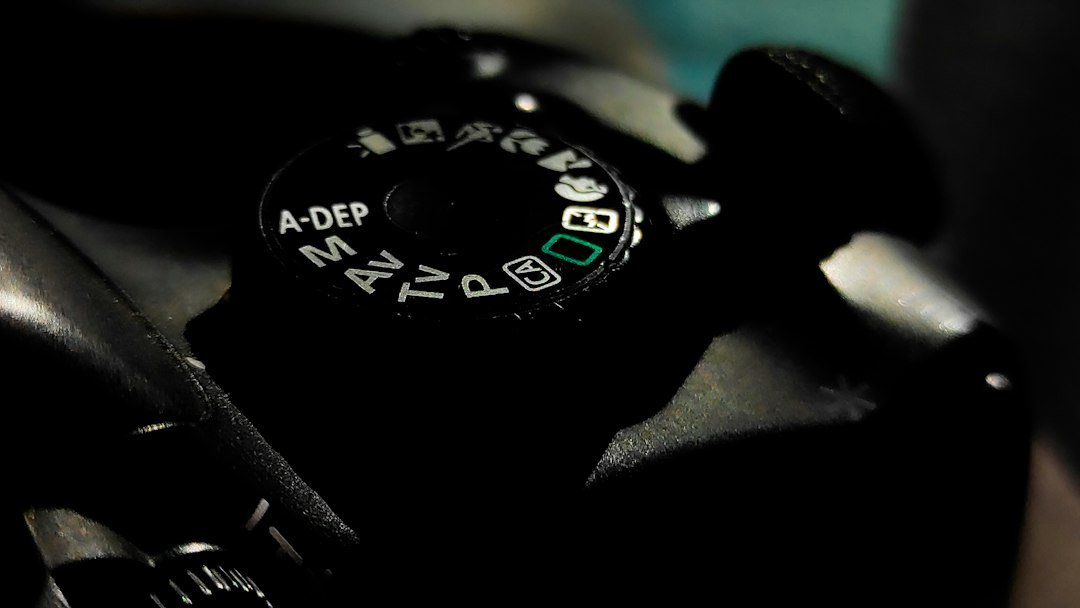
Many photographers approach exposure settings with a predictable workflow: establish aperture value, dial in ISO sensitivity, then allow the camera’s built-in meter to dictate the final variable—shutter speed. This conventional methodology inadvertently surrenders one of photography’s most potent creative instruments to algorithmic decision-making.
The reality is that shutter speed functions as far more than a technical necessity for proper exposure. This critical setting directly governs how your camera interprets and captures movement within the frame. Whether you’re documenting a sprinting athlete frozen mid-stride or crafting a long-exposure landscape where vehicle headlights blur into luminous ribbons across the night sky, shutter speed orchestrates the visual narrative of motion itself.
Understanding the Creative Implications
When photographers default to automatic metering systems for this decision, they essentially hand over creative authority to mechanical precision. While light meters excel at achieving technical exposure accuracy, they cannot interpret artistic intention. They cannot distinguish between intentional motion blur that conveys energy and unwanted camera shake that diminishes clarity.
Consider the difference between a conventional traffic photograph where vehicles appear stationary and a contemporary urban image where headlights and taillights streak across darkened streets—both scenarios occur in identical lighting conditions. The distinction emerges entirely through deliberate shutter speed selection, a creative choice the photographer must consciously make.
Reclaiming Your Photographic Voice
Professional photographers and serious enthusiasts recognize that mastering shutter speed selection elevates their work from technically proficient to artistically distinctive. This mastery requires understanding how different speeds produce varying aesthetic outcomes, then making intentional choices aligned with your visual objectives.
The relationship between shutter duration and subject movement varies considerably. A 1/1000th second freezes nearly all motion, while 1/15th second introduces perceptible blur. Knowing which speed serves your creative vision—and understanding the technical relationship between shutter speed, aperture, and ISO—transforms you from someone who simply points and shoots into a photographer who genuinely controls their medium.
Moving Beyond Automatic Thinking
The shift from passive metering dependency to active creative engagement begins with recognizing that your camera’s meter prioritizes exposure balance, not artistic expression. By establishing intentional protocols for shutter speed selection before reaching for the shutter release, you fundamentally change your photographic approach.
Whether you’re working in bright daylight requiring faster speeds or exploring low-light environments where slower shutter durations become essential, your deliberate choices—not automated algorithms—should determine these values. This philosophy separates competent technical image-making from compelling visual storytelling that viewers genuinely connect with.
The next time you frame a shot, pause before adjusting settings. Ask yourself: what does this moment demand? Should motion freeze crystalline in time, or flow gracefully through the composition? Your answer belongs entirely in your hands, not your meter’s calculations.