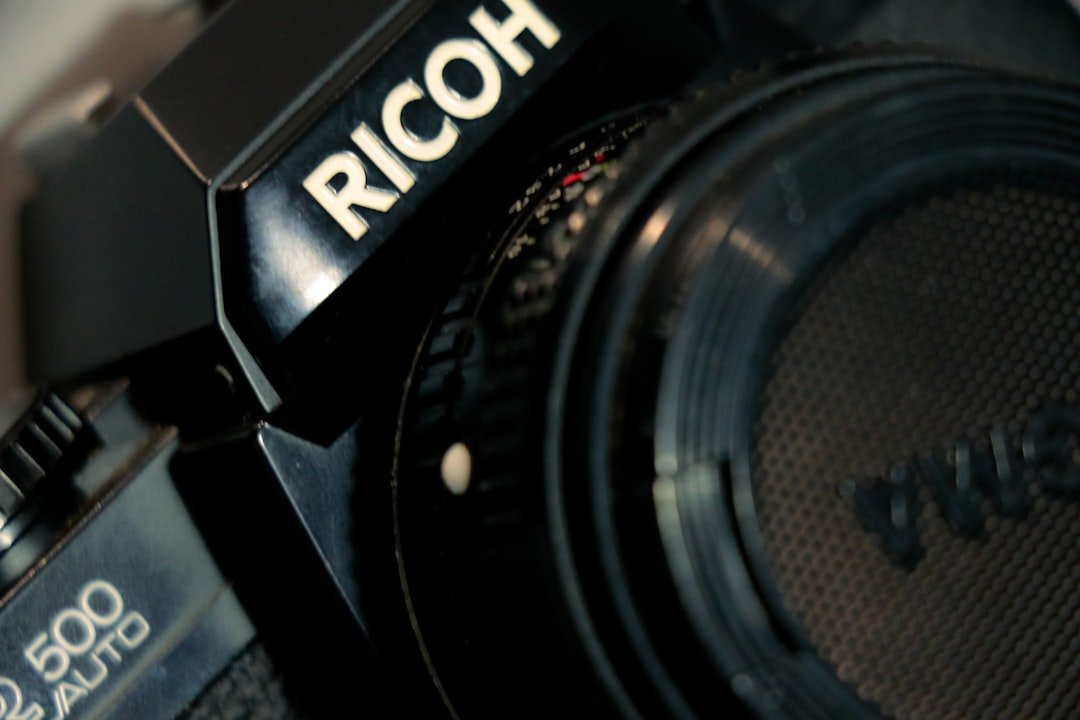
A Camera Built for Grayscale Photography
Ricoh has taken an unconventional approach with the GR IV Monochrome, engineering a compact camera that commits entirely to black and white image capture at the sensor level. This deliberate design philosophy represents a fundamental shift in how photographers approach their craft, moving beyond post-processing conversions to embrace monochrome as a primary capture method rather than a secondary option.
The distinction between shooting black and white through software manipulation and capturing it directly from a dedicated monochrome sensor extends far beyond aesthetic preference. When a camera’s imaging processor lacks the color filter array typical of standard sensors, the entire optical pathway becomes optimized for luminance data collection. This architectural difference produces tangible improvements in resolving fine details, texture rendering, and tonal gradation that photographers consistently seek in grayscale work.
Reimagining Exposure and Sensitivity
Photographers accustomed to color sensors often discover that working with a monochrome-dedicated device fundamentally transforms their approach to exposure metering. Without the complexity of balancing red, green, and blue channel information, exposure decisions become more straightforward and predictable. The camera’s light sensitivity translates more directly into usable image data, allowing practitioners to work more confidently in challenging lighting scenarios.
Perhaps most significantly, the monochrome sensor’s architecture enables photographers to push ISO performance considerably further than conventional wisdom typically permits. The absence of color demosaicing algorithms means noise characteristics behave differently—grain patterns that might appear problematic in color photography often enhance the aesthetic qualities and character of grayscale imagery. This fundamental compatibility between the sensor technology and the final output encourages more aggressive gain settings without the fear of unsightly artifacts.
Restoring Compositional Focus
In contemporary photography culture dominated by color capture, dedicating equipment specifically to monochrome forces a deliberate return to compositional fundamentals. By eliminating color as an expressive tool, photographers must concentrate on form, contrast, light direction, and spatial relationships. Texture—whether rough stone, fabric weave, or skin detail—becomes the primary visual vocabulary rather than peripheral consideration.
The Ricoh GR IV Monochrome’s compact form factor reinforces this contemplative approach. Street and documentary photographers benefit from equipment that encourages intentionality; the permanence of the monochrome commitment means every exposure demands conscious consideration of how light will be recorded and rendered.
Technical Implications for Practitioners
From an optical standpoint, eliminating color filter arrays increases quantum efficiency across the sensor surface. More photons successfully convert to electrical signal, improving overall light-gathering capability. This technical advantage compounds when photographers exploit extended ISO ranges, producing cleaner files with superior dynamic range performance compared to color cameras operating at equivalent sensitivity levels.
The camera’s engineering philosophy appeals to photographers seeking genuine technical advantages rather than nostalgic affectation. The monochrome commitment filters out distractions and focuses equipment design toward serving a single purpose with exceptional dedication. For those committed to grayscale photography as a primary practice, this specialized approach delivers measurable benefits that justify the camera’s existence in an increasingly color-saturated marketplace.