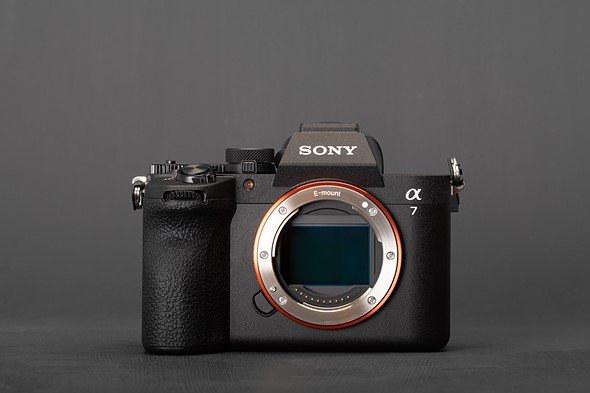
The latest offering from Sony’s mirrorless lineup, the a7 V, is generating significant buzz among professional photographers for its exceptional dynamic range capabilities. After rigorous testing, we’ve uncovered some fascinating insights into this camera’s performance that could reshape expectations for high-end imaging.
ISO Invariance and Sensor Technology
One of the most striking characteristics of the a7 V is its remarkable ISO invariance, particularly when utilizing the mechanical shutter. This technical feat allows photographers unprecedented flexibility in post-processing, effectively expanding creative possibilities for challenging lighting scenarios.
By combining low and high gain sensor readouts, the a7 V demonstrates a sophisticated approach to capturing detail across challenging exposure ranges. Compared to its predecessor, the a7 IV, and contemporaries like the Canon EOS R6 III and Nikon Z6 III, the camera shows notable improvements in shadow recovery and highlight preservation.
Performance Nuances
While the dynamic range improvements aren’t revolutionary, they represent a meaningful evolution in sensor technology. Landscape photographers and those working in variable lighting conditions will appreciate the camera’s ability to extract nuanced detail from both shadow and highlight regions.
Interestingly, the electronic shutter mode does show slightly reduced performance—a common limitation across current mirrorless systems. However, this trade-off is typically acceptable given the primary use of e-shutter modes for high-speed continuous shooting.
Professional Implications
For professional photographers, the a7 V represents another step forward in Sony’s ongoing refinement of computational imaging technology. The ability to maintain image quality while providing greater post-processing flexibility continues to be a hallmark of their advanced sensor designs.