Separating Marketing Claims from Practical Performance
When evaluating a mirrorless camera system for demanding landscape photography, the difference between theoretical specifications and real-world capability becomes immediately apparent. The competitive mirrorless market continues to evolve rapidly, with manufacturers constantly refining their offerings. The Sony a7 V presents an intriguing proposition that deserves thoughtful examination beyond a quick glance at the datasheet.
The camera’s 33-megapixel partially stacked sensor represents a meaningful leap forward in sensor architecture. This design approach offers photographers a compelling balance between resolution and operational efficiency. Rather than treating this simply as an incremental advancement, the engineering choices embedded in this sensor warrant deeper investigation for those serious about their craft.
Stabilization Technology That Changes Everything
Perhaps most significant is the integrated stabilization system, which delivers an impressive 7.5 stops of correction. In practical terms, this translates to extended handheld shooting opportunities without sacrificing shutter speed discipline. For landscape photographers working in challenging lighting conditions—whether during golden hour or beneath overcast skies—this capability fundamentally expands creative possibilities and reduces reliance on tripod support for every scenario.
The stabilization performance becomes particularly valuable when working with premium telephoto optics or attempting to maximize sharpness across complex terrain. Photographers accustomed to managing motion blur through ISO adjustments or slower apertures will find this technology liberating, enabling more refined exposure decisions.
Dynamic Range: The Unsung Advantage
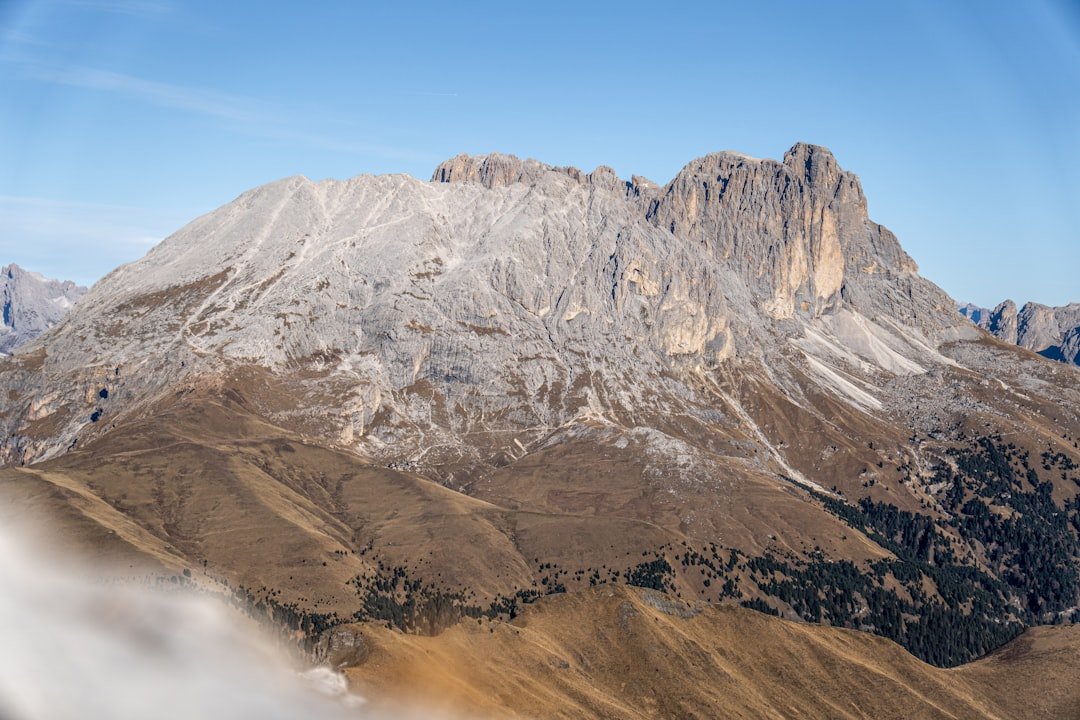
The 16-stop dynamic range capability addresses one of landscape photography’s persistent challenges: managing extreme tonal variations. Whether photographing dramatic coastal scenes with bright skies and shadowed foregrounds or alpine environments with significant contrast, this expanded latitude provides substantial post-processing flexibility. Rather than accepting blown highlights or crushed shadows, photographers gain meaningful room for tonal recovery during editing workflows.
This dynamic capability particularly benefits those employing exposure blending or relying on intelligent RAW processing techniques. The sensor captures sufficient shadow detail to reveal nuance in darker areas while preserving highlight information that might otherwise prove unrecoverable.
Practical Considerations for Field Work
Beyond headline specifications, the a7 V’s real-world application depends on individual shooting preferences and situational demands. The 33-megapixel resolution delivers substantial file sizes while providing excellent cropping flexibility—a crucial advantage when composition adjustments occur during post-production rather than in the field.
For photographers accustomed to working within the Sony E-mount ecosystem, the expanding lens library and proven autofocus performance maintain compelling advantages. The combination of sensor capabilities with compatible optics creates a cohesive system rather than isolated components.
The Verdict: Strategic Rather Than Superficial
Dismissing the a7 V as merely another iterative release overlooks the thoughtful engineering that separates genuinely useful advancements from cosmetic improvements. While the mirrorless landscape remains competitive and feature-rich, this camera’s particular strengths align naturally with landscape photography’s core demands. For those prioritizing extended dynamic range, meaningful stabilization performance, and robust resolution in a manageable package, the a7 V deserves serious consideration within your equipment evaluation process.