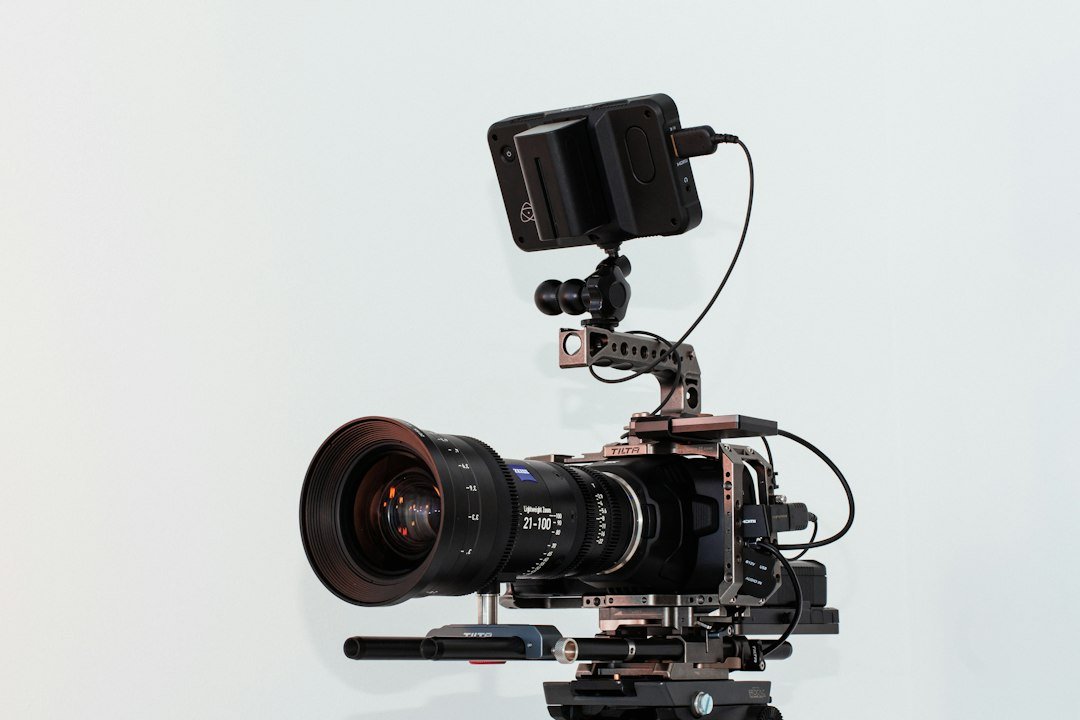
A Game-Changing Convergence of Cinematic Tools
The professional filmmaking community has long pursued a holy trinity of capabilities: unrestricted sensor recording, integrated stabilization technology, and real-time anamorphic format correction. Sony’s introduction of the FX5 represents a watershed moment, as this compact cinema camera marks the first instance within Sony’s lineup to integrate all three functionalities into a single, portable platform.
This convergence of features addresses persistent workflow challenges that cinematographers and independent producers have navigated for years. Open gate recording—the ability to capture footage without sensor windowing restrictions—unlocks maximum image real estate and creative flexibility. Meanwhile, built-in image stabilization systems have revolutionized handheld acquisition, and native anamorphic desqueeze capabilities eliminate post-production processing bottlenecks.
Understanding Feature Integration Challenges
The critical question facing potential users involves simultaneous operation: can these three advanced systems function concurrently without compromising image quality, processing power, or recording stability? This technical consideration directly influences production methodology, rigging architecture, and monitoring solutions—particularly for cinematographers relying on anamorphic optics during shoulder-mounted or mobile shooting scenarios.
Operating multiple sophisticated systems simultaneously demands substantial processing resources and thermal management. The interplay between maximum sensor utilization, mechanical stabilization algorithms, and real-time optical correction represents considerable computational complexity. Understanding whether these features maintain independence or require selective prioritization becomes essential during pre-production planning.
Implications for Modern Production Workflows
For narrative filmmaking and commercial production houses, this capability integration streamlines acquisition pipelines considerably. Crews no longer face the necessity of choosing between competing technical advantages. The ability to simultaneously capture unwindowed sensor data while maintaining stabilization and anamorphic correction opens possibilities previously reserved for higher-end cinema platforms or requiring external processing solutions.
Handheld cinematography with anamorphic glass presents particularly compelling applications. Historically, integrating stabilization with anamorphic workflows demanded external rigs, monitoring workarounds, and post-production corrections. The FX5’s integrated approach promises unprecedented operational simplicity for this demanding acquisition style.
Practical Considerations for Production Teams
Despite the technical promise, cinematographers must verify performance under real-world conditions. Recording frame rates, color science behavior, data throughput requirements, and thermal stability during extended shoots warrant thorough evaluation. The interaction between mechanical stabilization systems and anamorphic desqueeze algorithms may produce unexpected artifacts under specific operational scenarios.
Battery consumption, storage capacity demands, and monitoring display compatibility also merit investigation. These practical factors significantly influence production economics and operational feasibility on location-based work.
Looking Forward
The FX5’s feature integration represents technological maturation within the compact cinema camera segment. Whether simultaneous operation of these capabilities remains flawlessly functional under demanding production conditions will determine its adoption rate among professional cinematographers. Field testing and real-world implementation feedback will clarify this platform’s suitability for various production requirements and shooting methodologies.