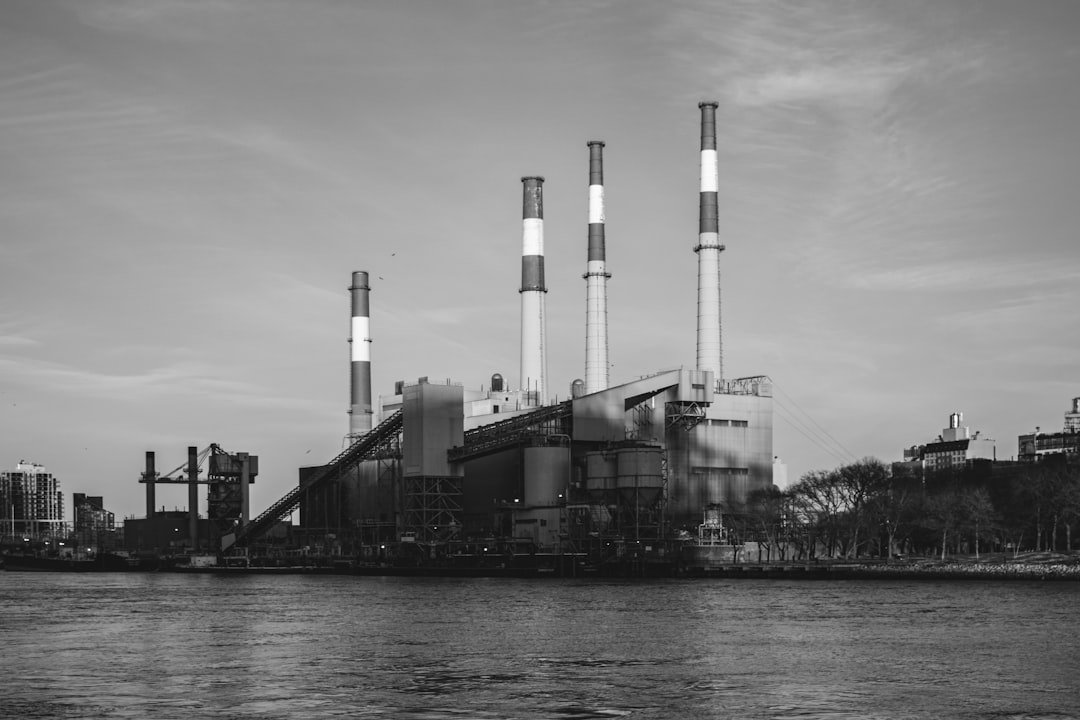
Documenting the Unseen: A Monumental Study of Urban Water Systems
Renowned photographer Stanley Greenberg has completed an ambitious three-decade documentation project that reveals the intricate machinery sustaining New York City’s water supply. The comprehensive visual essay, titled Waterworks, compiles 362 monochromatic photographs capturing the metropolis’s vast and often overlooked aquatic infrastructure.
This long-form photographic investigation spans from 1992 through 2024, representing a significant commitment to environmental and industrial documentation. Greenberg’s approach transforms technical infrastructure into compelling visual narratives, elevating utilitarian subject matter to fine art status. The grayscale palette enhances the geometric qualities and textural details of pumping stations, reservoirs, treatment facilities, and distribution networks that operate beneath and around the city.
The Hidden Networks Beneath the City
New York City’s water delivery system represents one of the world’s most complex municipal engineering achievements. Yet most residents remain unaware of the sophisticated apparatus that delivers approximately one billion gallons daily to eight million inhabitants. Greenberg’s photographic survey makes visible what typically remains invisible to the urban dweller—the concrete structures, mechanical systems, and infrastructure investments that constitute the city’s aquatic backbone.
By focusing on black and white photography, Greenberg employs a medium traditionally associated with documentary photojournalism and fine art practice. This aesthetic choice strips away visual distraction, allowing viewers to contemplate form, composition, and the relationship between human engineering and urban geography. The monochromatic treatment also creates temporal ambiguity, emphasizing the timeless nature of infrastructure while the surrounding city transforms.
A Methodical Documentation Approach
The three-decade production timeline demonstrates Greenberg’s dedication to comprehensive coverage and systematic documentation. Photographing across 32 years allowed him to witness technological evolution, infrastructure upgrades, and changes in urban planning philosophy. This extended timeline provides historical perspective on how municipalities approach water management challenges amid population growth and environmental pressures.
The resulting 362-image portfolio represents selective curation from an undoubtedly larger body of work. Such editorial decisions reflect the photographer’s conceptual vision, highlighting particular locations and perspectives that collectively communicate the system’s scope and sophistication. This approach aligns with established practices in typological and documentary photography, where individual images contribute to a larger conceptual framework.
Elevating Infrastructure to Artistic Discourse
Greenberg’s project participates in a broader tradition within contemporary photography that examines industrial and utilitarian landscapes as subjects worthy of serious aesthetic consideration. Rather than merely documenting functional systems, his work invites viewers to contemplate the aesthetic dimensions of engineered environments and humanity’s relationship with essential resources.
The Waterworks series ultimately serves multiple purposes: environmental awareness, historical record, artistic exploration, and technical documentation. By rendering visible the invisible systems that sustain urban life, Greenberg’s photography encourages reflection on infrastructure dependency, water security, and the often-overlooked engineering marvels that define modern metropolitan existence. This ambitious undertaking demonstrates photography’s capacity to reveal and reframe our understanding of the built environment.