February 2026: The Month Photography’s Future Took Shape
February 2026 delivered watershed moments for photography: CP+ returned, the Winter Olympics tested equipment limits, and AI’s threat to professional work intensified.
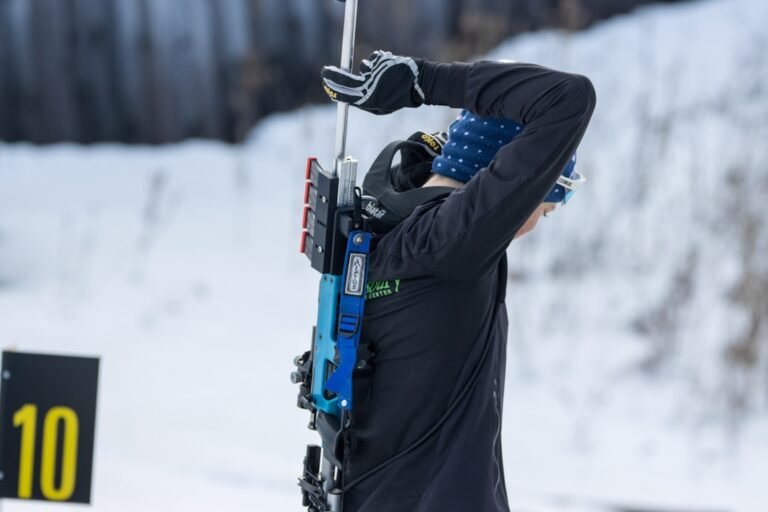
February 2026 delivered watershed moments for photography: CP+ returned, the Winter Olympics tested equipment limits, and AI’s threat to professional work intensified.
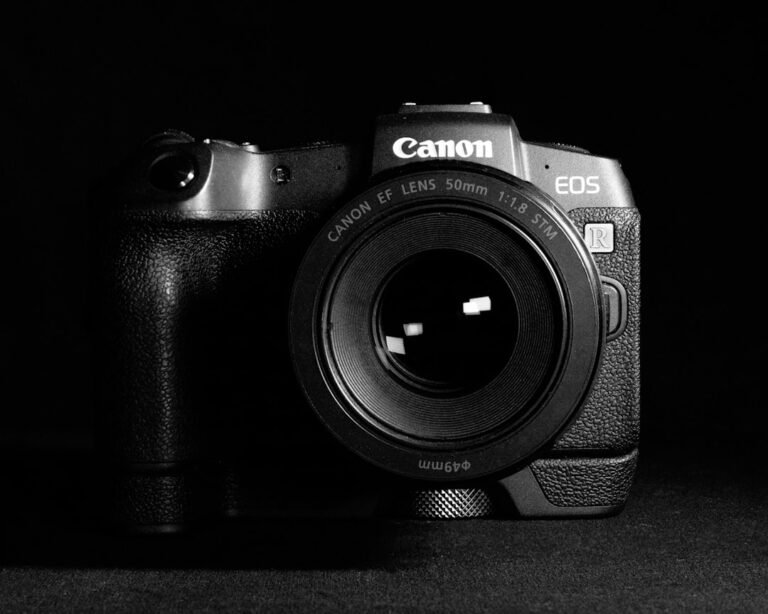
While AI integration in cameras is inevitable, the first manufacturer to introduce it may face significant backlash from photographers concerned about authenticity and creative control.

In-camera Raw video is increasingly accessible, but does it offer meaningful advantages over modern Log workflows? We examine the benefits and trade-offs.
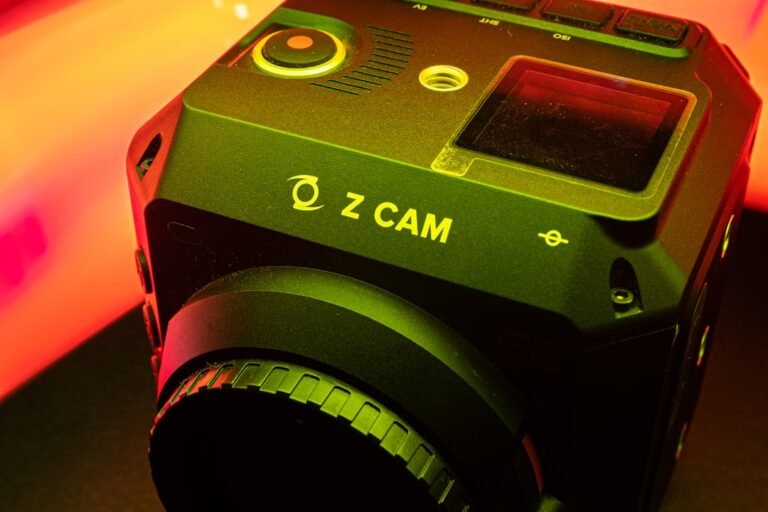
January 2026 delivered pivotal developments in gear innovation, AI regulation, sensor technology recognition, and authenticity standards that will reshape the photography industry throughout the year.
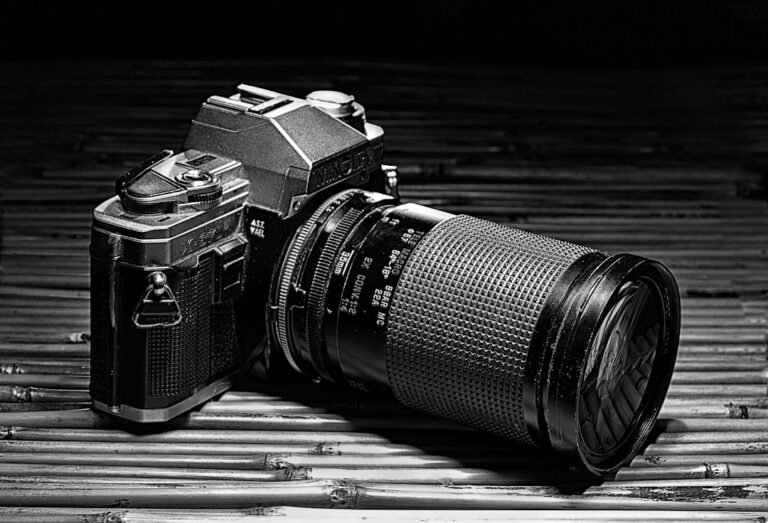
2026 positions photography at a critical inflection point. Explore eleven key predictions spanning hardware, software, regulations, and market dynamics.
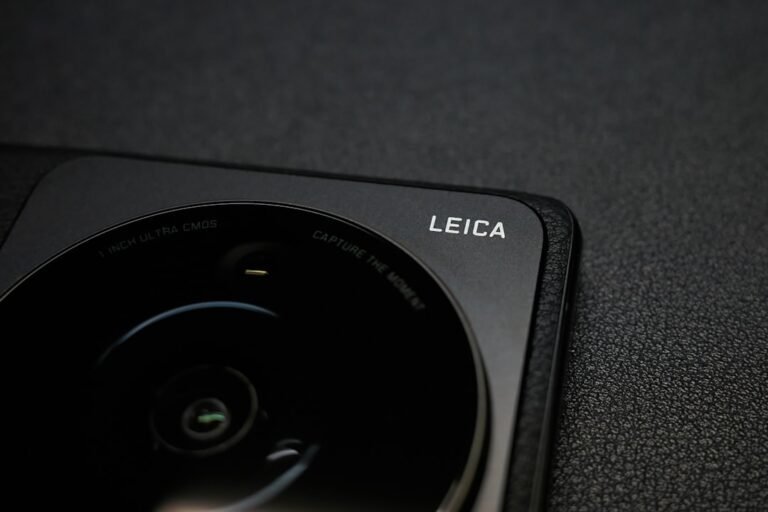
Leica announces plans to develop proprietary image sensors internally, a strategic move to strengthen technological independence and differentiation in an increasingly consolidated market.
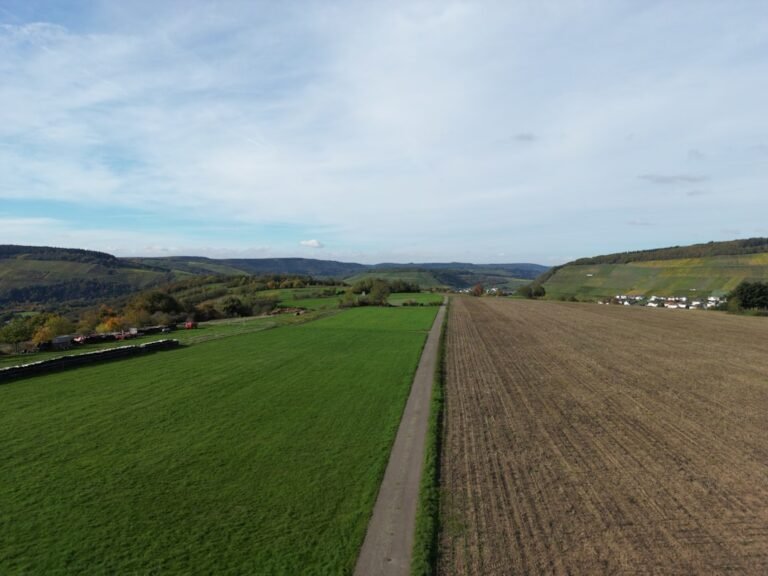
Accomplished aerial photographer Chris Gorman reflects on how drone technology rivals digital photography’s revolutionary impact, sharing standout 2025 imagery.
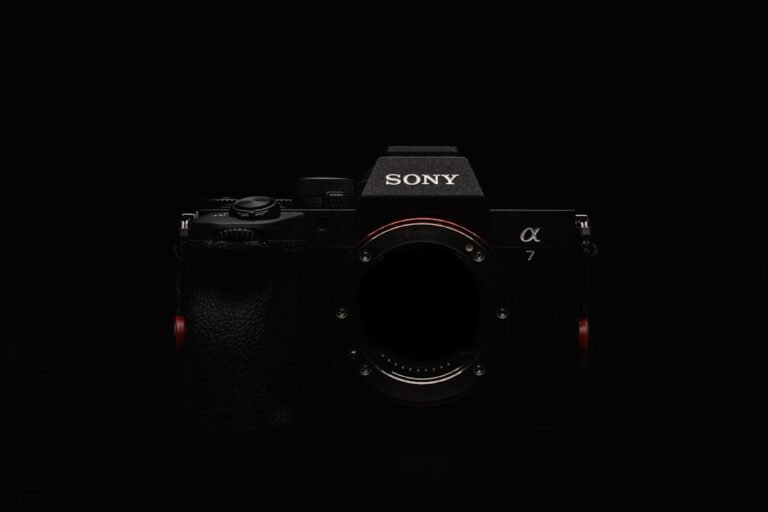
Sony maintains its mirrorless leadership but faces intensifying competition. Does 2025’s innovation prove sufficient to preserve market dominance?

Nikon’s 2025 product ecosystem demonstrates the company’s resurgence, with three cameras and five lenses delivering professional-grade innovation and market responsiveness.
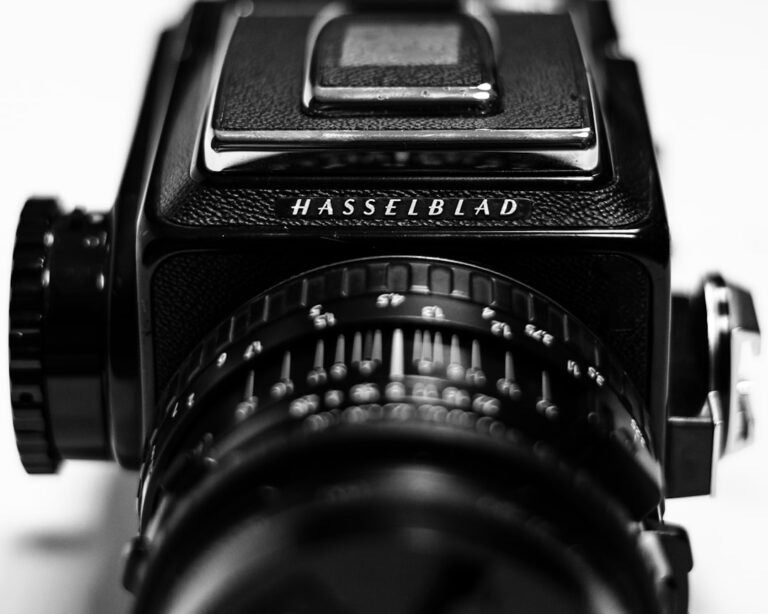
Hasselblad shifts focus from rapid releases to engineering excellence, unveiling its most advanced digital camera system in 2025.