The Affordability Crisis: Can New Photographers Still Break In?
Modern camera pricing has created financial barriers for beginner photographers, while smartphone technology simultaneously eliminates the perceived need for dedicated equipment.
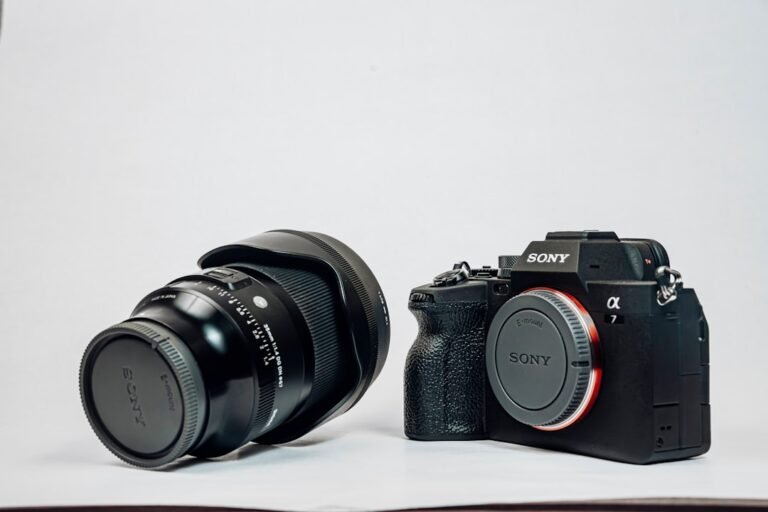
Modern camera pricing has created financial barriers for beginner photographers, while smartphone technology simultaneously eliminates the perceived need for dedicated equipment.

Celebrity event photography is embracing a more professional, composed approach as practitioners move away from aggressive tactics toward refined technique.

APS-C sensors shipped at 1.75 times the rate of full-frame cameras in 2025, marking a decisive victory for the format long dismissed as entry-level.
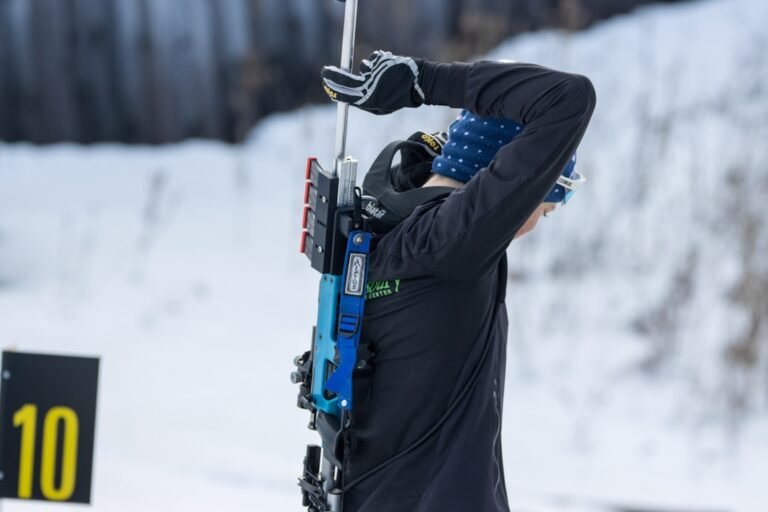
February 2026 delivered watershed moments for photography: CP+ returned, the Winter Olympics tested equipment limits, and AI’s threat to professional work intensified.
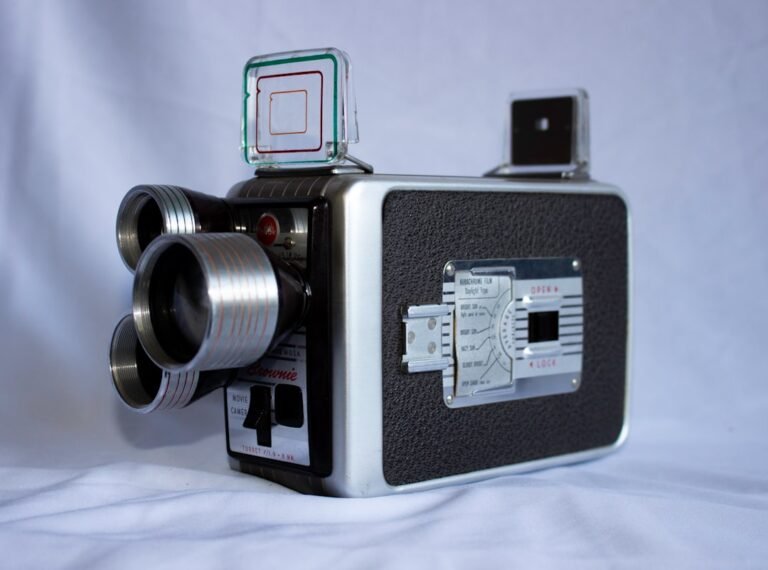
Entertainment giants mount coordinated defense against AI video generation, exposing photography’s lack of comparable protections and institutional support.
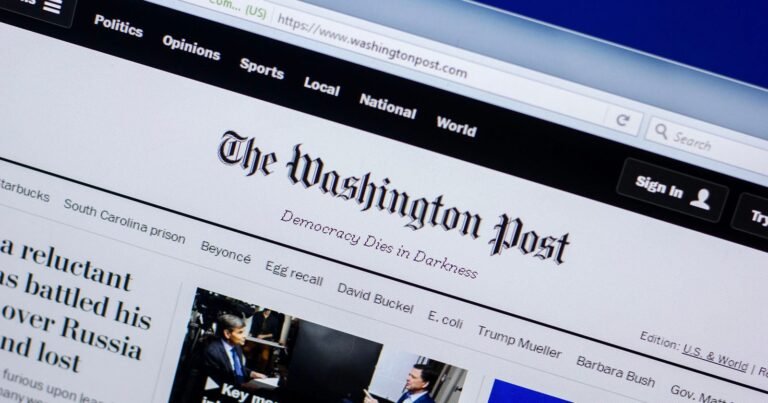
Washington Post eliminates its entire photography department, affecting dozens of visual journalists. The move reflects ongoing industry trends toward freelance and distributed content models.

Profoto’s recent AI messaging draws criticism from photographers who feel ignored on intellectual property and training data concerns.
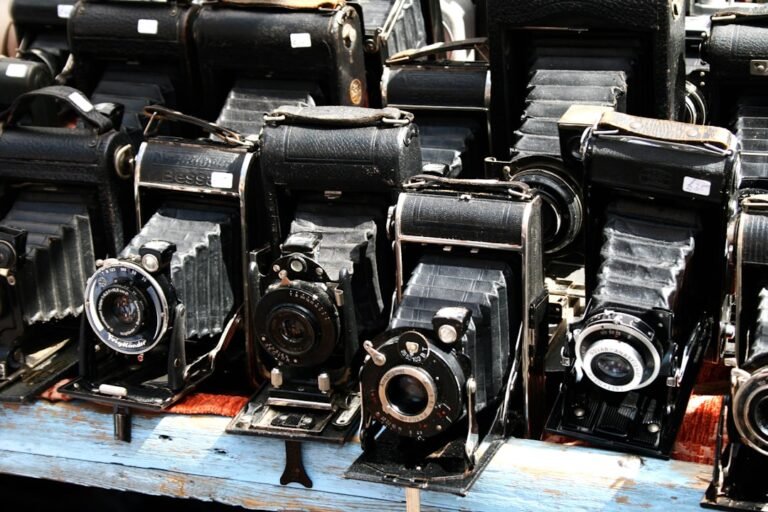
CIPA reports consecutive annual growth in camera and lens shipments for the first time since 2017, signaling market recovery and renewed industry momentum.
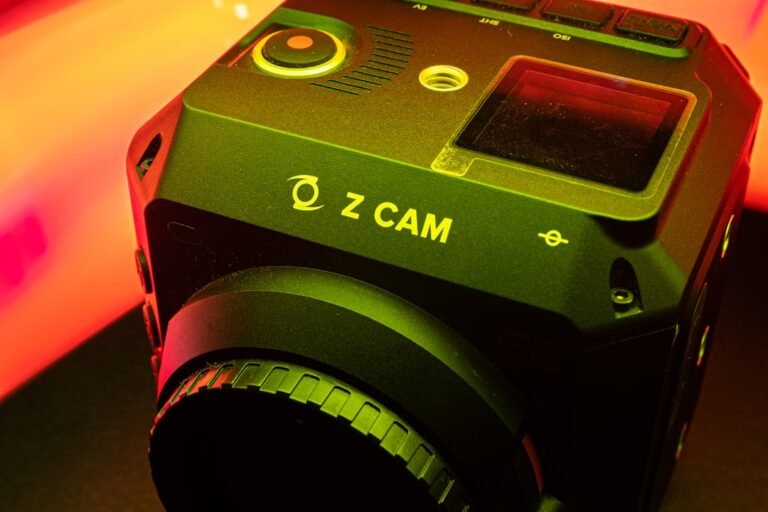
January 2026 delivered pivotal developments in gear innovation, AI regulation, sensor technology recognition, and authenticity standards that will reshape the photography industry throughout the year.

Over 50 couples report losing thousands of dollars to a regional wedding photographer accused of failing to deliver images or maintain client communication.