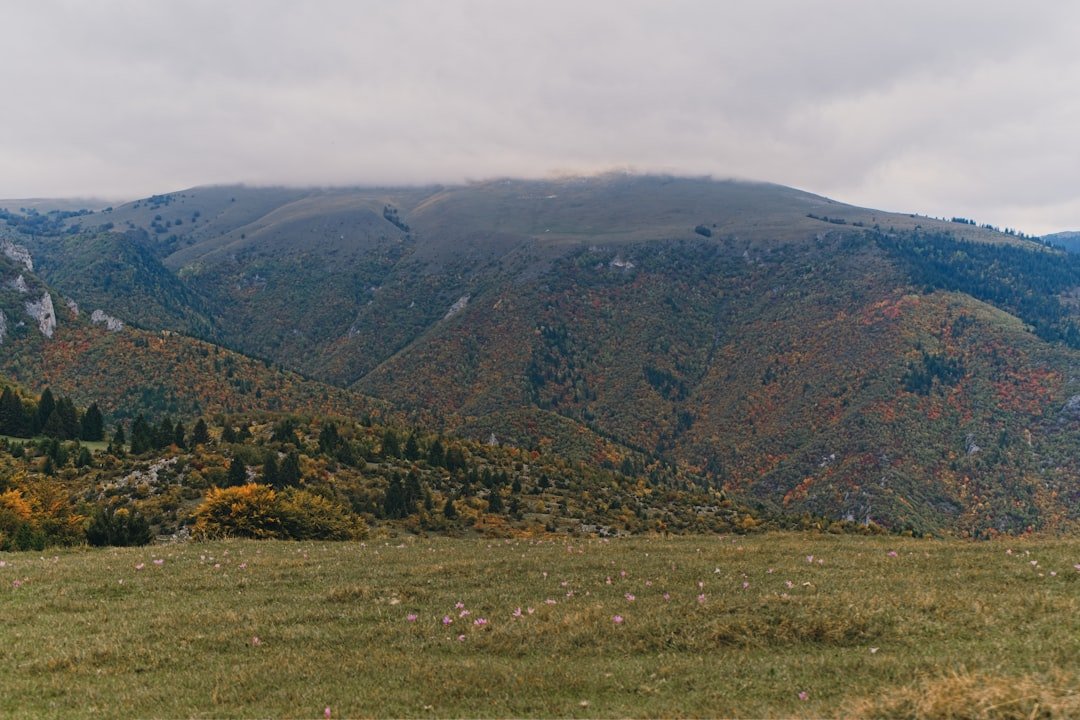
When Sharpness and Exposure Aren’t Enough
The landscape photography community faces a peculiar challenge in the digital age: unprecedented access to world-class equipment, educational resources, and inspiring locations has paradoxically led to a visual homogeneity that dominates contemporary galleries and social media platforms. Photographers worldwide are capturing technically flawless images—properly exposed, pin-sharp, impeccably composed—yet something intangible seems to be missing from the work.
This phenomenon reflects a broader tension within contemporary image-making. While technical proficiency has become increasingly democratized through affordable mirrorless cameras, advanced autofocus systems, and computational photography, the artistic differentiation that once separated exceptional photographers from competent ones has become harder to discern.
The Algorithm’s Influence on Creative Direction
Social media platforms and content distribution systems have fundamentally altered how photographers approach their craft. These algorithms prioritize consistency, recognizable patterns, and engagement metrics over originality and conceptual depth. The result is a self-reinforcing cycle where successful images—those that garner significant engagement—get replicated endlessly by aspiring photographers seeking similar recognition.
Golden hour landscapes with perfectly placed foreground elements, vibrant sunsets with dramatic cloud formations, and symmetrically composed mountain vistas have become visual clichés precisely because they perform well algorithmically. The economic incentives favoring these familiar compositions have encouraged widespread emulation rather than experimentation.
Beyond Technical Proficiency
Contemporary landscape photography suffers less from a lack of skill than from an abundance of stylistic convergence. Photographers possess remarkable technical abilities—achieving correct exposure, managing dynamic range, controlling depth of field—yet these competencies alone cannot generate compelling visual narratives. The distinction between photographing a location and creating a photograph with genuine artistic intention has blurred considerably.
The path forward requires photographers to interrogate their motivations and approach image-making as a form of personal expression rather than a checklist of technical achievements. This might involve exploring unconventional perspectives, embracing intentional imperfection, investigating underrepresented locations, or developing distinctive visual vocabularies that resist immediate categorization.
Reclaiming Artistic Authenticity
The most compelling contemporary landscape work often emerges from photographers who prioritize their unique perspective over algorithmic optimization. Whether through unusual compositional choices, distinctive post-processing approaches, or conceptual frameworks that transcend literal representation, these photographers remind viewers that technical mastery serves artistic vision, not the reverse.
Moving forward, landscape photographers might consider whether they’re creating images that reflect their genuine aesthetic sensibility or simply executing established visual formulas with technical competence. The distinction between excellence and distinctiveness remains crucial in an era when technical barriers continue diminishing but artistic differentiation becomes increasingly valuable.