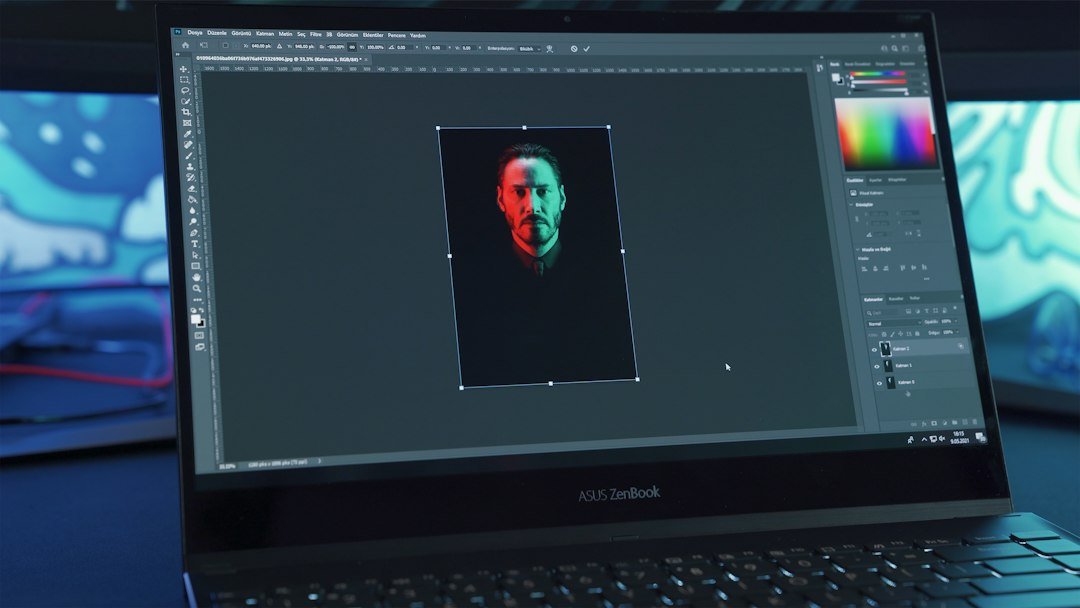
The Retouching Paradox: When Perfection Becomes Indistinguishable
The photography retouching industry faces an unprecedented challenge as artificial intelligence systems have become disturbingly proficient at replicating the aesthetic signatures that have long defined professional post-processing work. Over the past several years, the hallmark of sophisticated retouching—immaculately rendered complexions and blemish-free compositions—has evolved from being a marker of technical expertise into a characteristic that generative AI now executes with remarkable consistency.
This convergence presents a critical business dilemma for established retouchers and digital artists. When potential clients evaluate portfolios, the visual distinction between human-executed retouching and algorithmically-generated imagery has become increasingly nebulous. This erosion of visual differentiation directly threatens the competitive positioning of skilled practitioners who have built their reputations on delivering polished, commercially viable imagery.
Understanding the Visual Convergence
The seamless skin tones and pristine compositions that photographers and retouchers have spent decades perfecting now represent the baseline output of contemporary image generation platforms. What required hours of meticulous Photoshop work—careful dodge-and-burn techniques, strategic healing brush applications, and nuanced color correction—can now be approximated through machine learning algorithms in mere seconds.
This technological parity raises fundamental questions about how visual professionals can differentiate their offerings in an increasingly commoditized marketplace. The technical mastery that once served as an impenetrable professional moat has become commodified, accessible to anyone with a text prompt and internet connectivity.
Strategic Implications for Photographers and Retouchers
Forward-thinking professionals are recognizing that survival in this transformed landscape requires strategic repositioning. Rather than competing solely on the basis of achieving impossible smoothness or technical flawlessness, many are pivoting toward emphasizing artistic direction, conceptual sophistication, and the human judgment that informed creative decisions require.
The narrative around retouching is shifting from technical execution to storytelling capability. Clients increasingly value the ability to understand their brand identity, anticipate market trends, and make creative choices that transcend algorithmic optimization. This represents an opportunity for practitioners to elevate their positioning beyond technical service providers toward strategic creative partners.
Building Sustainable Competitive Advantage
Professionals seeking to maintain relevance must develop expertise in areas where artificial intelligence cannot yet compete effectively. This includes authentic art direction, understanding client psychology, managing complex commercial shoots, and making culturally informed aesthetic decisions. Additionally, many successful retouchers are incorporating AI tools into their workflows rather than resisting them, using automation for routine tasks while reserving their expertise for conceptual and strategic work.
The path forward requires embracing technological change while simultaneously deepening one’s value proposition in domains where human creativity, judgment, and experience remain irreplaceable. Those who can articulate why their perspective matters beyond technical execution will thrive; those who compete purely on aesthetic perfection face significant headwinds.